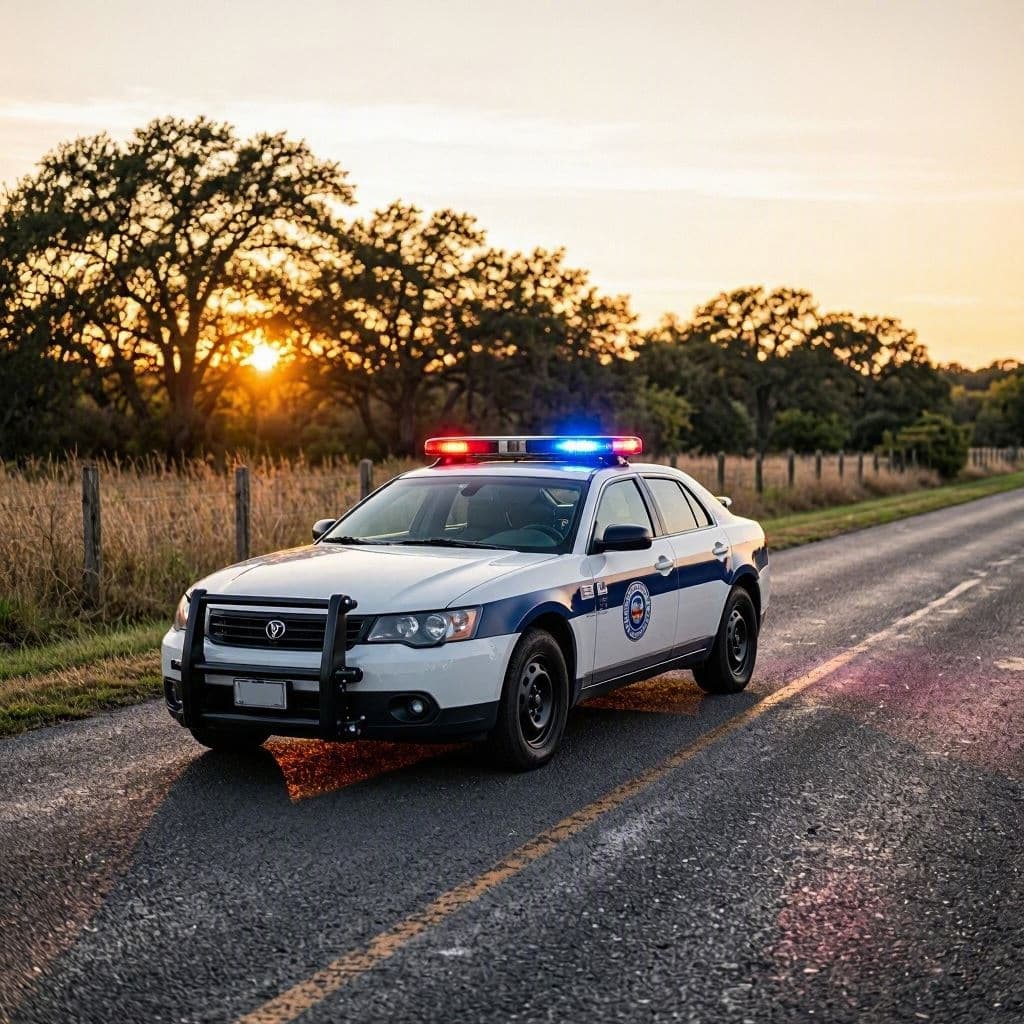
On the roads that wind through Newfoundland and Labrador, speed can be both a thrill and a danger. In Corner Brook, the Royal Newfoundland Constabulary (RNC) recently intervened to stop a speeding driver, an action that underscores the delicate balance between freedom of movement and public safety. Such incidents are routine yet significant, serving as reminders that laws exist not to restrict, but to protect the communal space we all share.
The decision to pull over a vehicle is never taken lightly by officers. It requires judgment, precision, and a commitment to de-escalation. For the driver, the moment of being stopped can be jarring, a sudden interruption in their journey that forces a confrontation with their own choices. It is a pause that offers an opportunity for reflection on the risks associated with excessive speed.
Speeding is often a symptom of modern life’s hurry, a desire to reach destinations faster than physics or safety allows. Yet, the consequences can be severe, affecting not just the driver but everyone else on the road. The RNC’s intervention is a preventive measure, aiming to correct behavior before tragedy strikes. It is an act of care, disguised as enforcement.
For the community of Corner Brook, the presence of law enforcement on the roads provides a sense of security. Knowing that traffic laws are upheld encourages compliance and fosters a culture of responsibility. It reassures pedestrians and other drivers that their safety is a priority, creating an environment where trust in public institutions can flourish.
The incident also highlights the role of education in policing. Often, a stop results in a warning rather than a penalty, providing a chance for dialogue. Officers may explain the dangers of speeding in that specific area, offering context that a ticket alone cannot convey. This human element of policing helps to build relationships and understanding between citizens and the constabulary.
As the driver continues on their way, hopefully at a safer speed, the ripple effects of the stop extend outward. Other motorists may notice the police presence and adjust their own driving habits. It is a subtle form of social regulation, where visibility leads to voluntary compliance. The goal is not punishment, but a collective shift toward safer behaviors.
In the grand scheme of daily life, a traffic stop is a small event. But it carries symbolic weight, representing the social contract we agree to when we step onto the road. It is a reminder that we are connected, and that our actions impact others. The RNC’s work in Corner Brook continues to uphold this vital connection.
The Royal Newfoundland Constabulary in Corner Brook stopped a speeding driver, reinforcing traffic safety laws. The incident highlights the role of law enforcement in maintaining public order and protecting road users.
AI Image Disclaimer: The images associated with this article are AI-generated and serve as visual interpretations rather than documentary evidence.
Sources: Royal Newfoundland Constabulary CBC News Global News
Published by Banx Network. This article is part of the Banx decentralized media programme, powered by the BXE token on the XRP Ledger.