In a world still chasing the promise of a truly practical electric car, Nissan just threw down a quiet but decisive challenge. The automaker unveiled its next-generation solid-state EV battery — a design that could double driving distance while cutting charging times in half.
The announcement marks one of the boldest leaps in electric mobility since lithium-ion went mainstream. Nissan claims the new cells can store twice the energy density of conventional batteries, meaning a compact EV could travel nearly 1,000 kilometers on a single charge. More strikingly, full charging may take just minutes, not hours — a threshold that could erase one of the biggest psychological barriers to EV adoption.
Behind the breakthrough is a shift in materials. Traditional batteries rely on liquid electrolytes that limit voltage and degrade over time. Nissan’s new solid-state architecture replaces that liquid with a solid ceramic medium, improving both stability and efficiency. The company also suggests manufacturing costs could eventually drop to the level of internal combustion engines — the holy grail of EV economics.
For years, automakers have promised such advances, but few have managed to turn them into scalable reality. Nissan’s move, however, feels different. The company has committed to launching a pilot production line by 2028, suggesting the technology is not just theoretical. If successful, it could redefine how consumers think about travel range, charging infrastructure, and the very rhythm of driving.
Still, big dreams require big proof. Solid-state batteries remain notoriously difficult to mass-produce — fragile, expensive, and prone to microfractures under heat. Yet, if Nissan can solve these puzzles, the world’s highways might soon hum with a quieter, cleaner confidence.
For now, one thing is certain: the race toward the future of mobility is no longer about who builds the fastest car, but who builds the smartest battery.
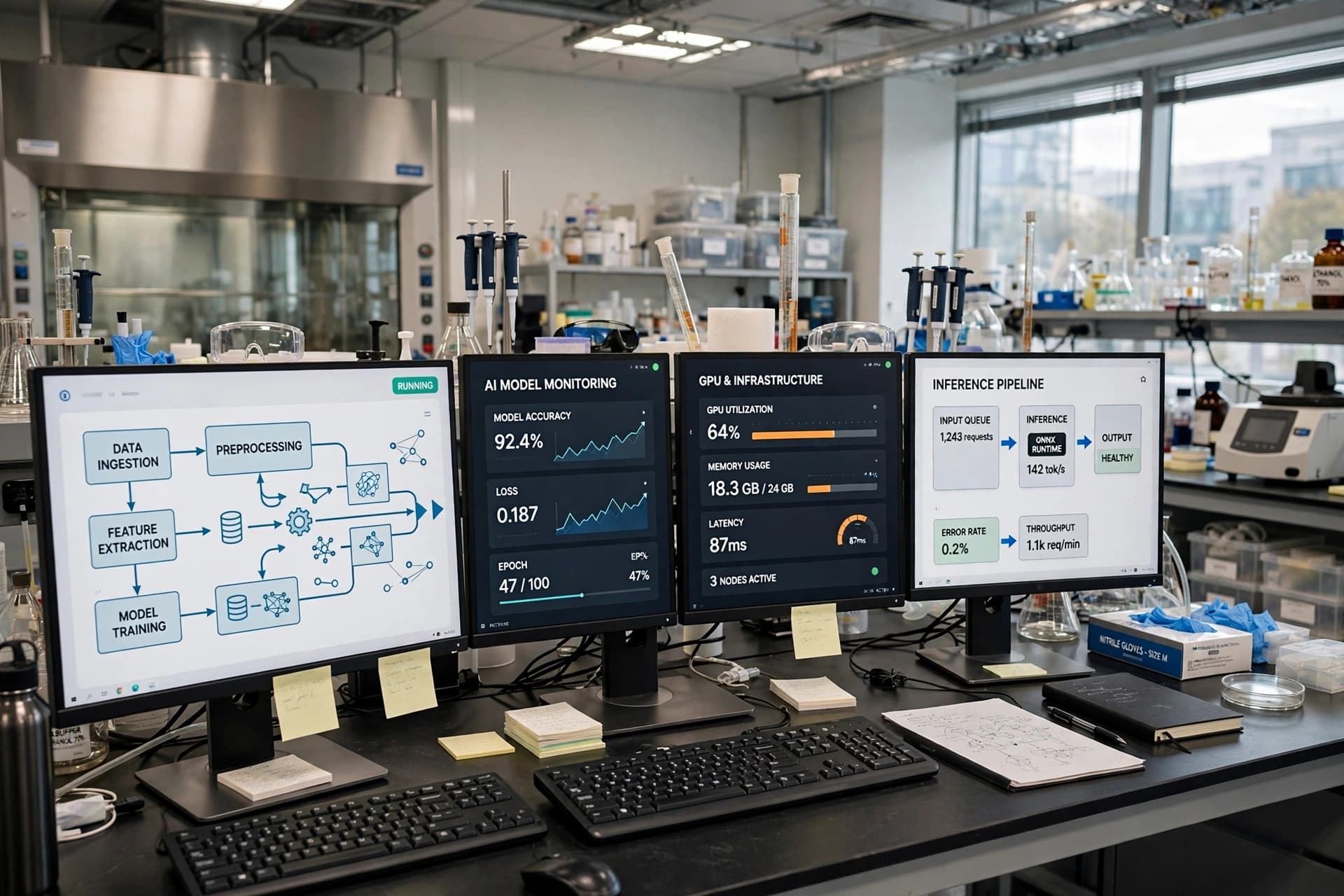
AI Image Disclaimer: This image is an AI-generated illustration created for editorial visualization purposes only.
Sources: This article is based on reporting from Reuters, Nikkei Asia, The Verge, and Bloomberg.
Published by Banx Network. This article is part of the Banx decentralized media programme, powered by the BXE token on the XRP Ledger.