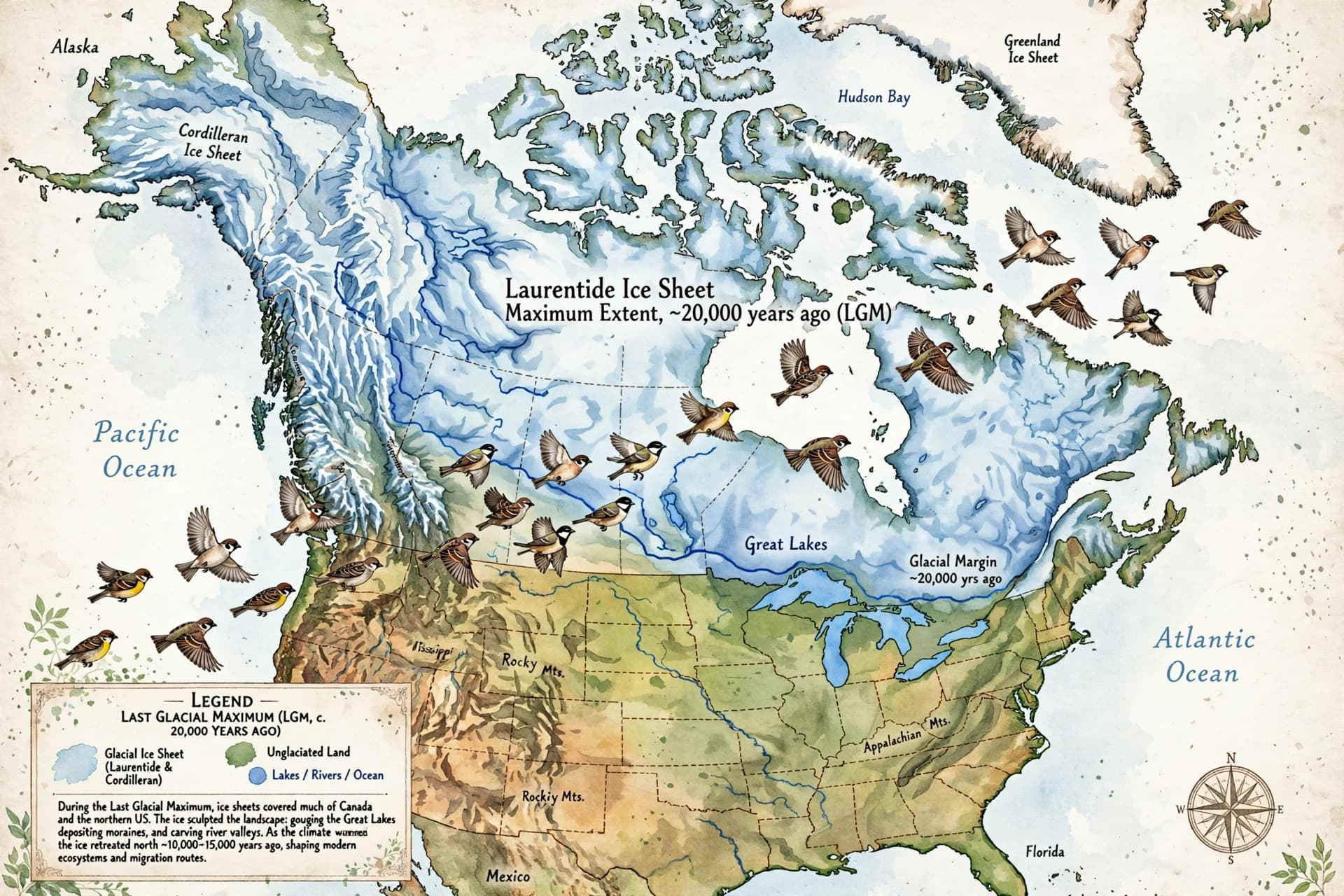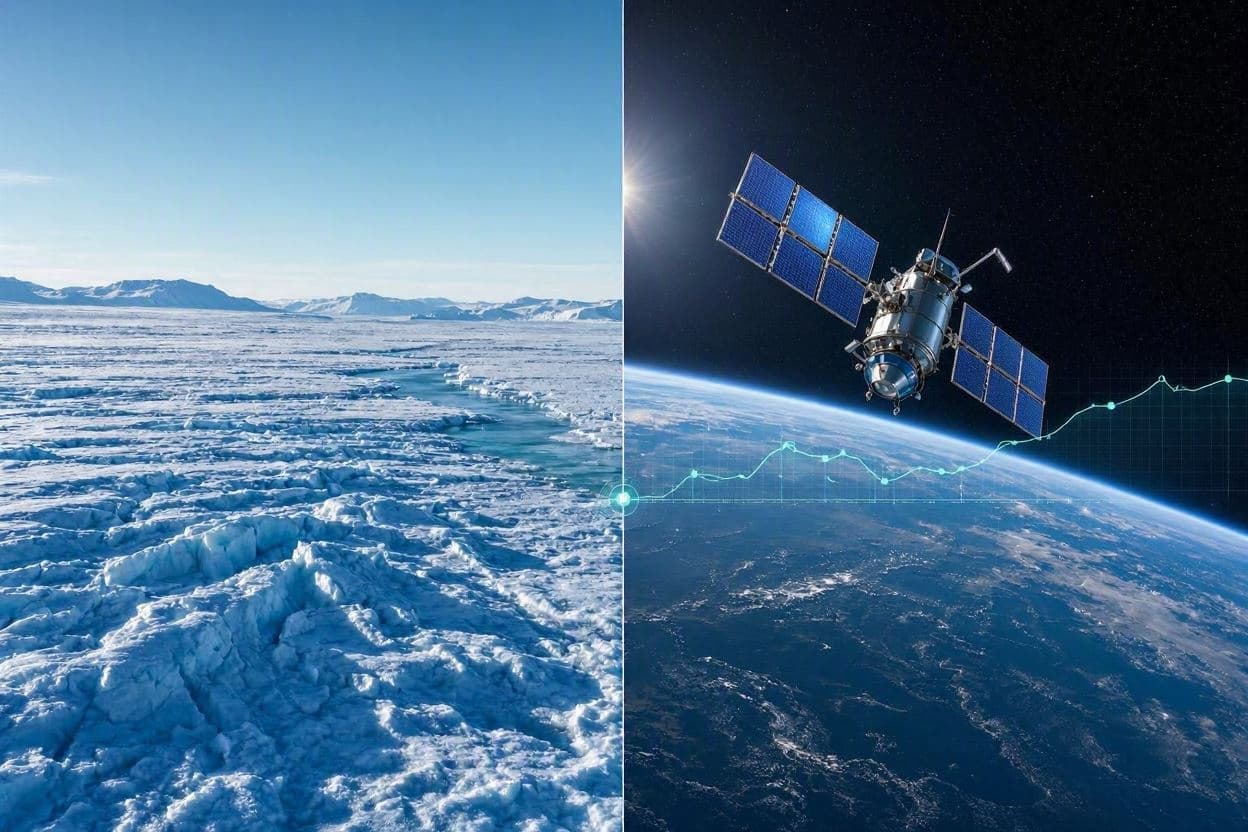
The polar regions have long been viewed as the frozen anchors of our planet, distant and immutable sentinels guarding the stability of the global climate. Yet, beneath the quiet surface of these icy expanses, a profound transformation has been underway for nearly half a century. A comprehensive analysis of satellite data reveals that since 1979, Earth has lost more than 12 trillion tons of ice from the massive sheets of Greenland and Antarctica. This staggering figure is not merely a statistic but a testament to the relentless warming of our oceans and atmosphere, reshaping the very geography of our world.
The study, which synthesizes decades of observations from multiple satellite missions, highlights the accelerating pace of ice loss. In the early years of the record, the melting was gradual, almost imperceptible against the vastness of the polar landscapes. However, in recent decades, the rate has increased dramatically, driven by warmer ocean waters that erode the ice shelves from below and rising air temperatures that melt the surface. The sheer volume of water released into the oceans contributes significantly to sea-level rise, threatening coastal communities around the globe.
Greenland and Antarctica, though both losing mass, are responding to climate change in different ways. Greenland’s ice sheet is primarily affected by surface melting during the summer months, with runoff flowing into the sea. Antarctica, on the other hand, is experiencing significant loss from its western ice sheet, where warm ocean currents are undercutting the floating ice shelves, causing glaciers to flow faster into the ocean. These distinct mechanisms underscore the complexity of the cryosphere and the need for nuanced understanding in climate modeling.
The implications of this ice loss extend far beyond the poles. As sea levels rise, low-lying islands and coastal cities face increased risks of flooding and erosion. The displacement of millions of people, the loss of agricultural land, and the disruption of ecosystems are tangible consequences of this melting ice. It is a reminder that actions taken in one part of the world can have ripple effects that reach the most remote corners of the planet.
Scientists emphasize that while the trend is clear, there is still uncertainty about the exact timeline of future ice loss. Climate models vary in their predictions, depending on assumptions about future greenhouse gas emissions and feedback loops within the climate system. However, the consensus is that without significant reductions in emissions, the rate of ice loss will continue to accelerate, leading to more severe impacts in the coming decades.
The satellite data serves as an impartial witness to these changes, providing an objective record that transcends political or economic debates. It offers a clear picture of the physical reality we face, urging policymakers and citizens alike to consider the long-term consequences of our energy choices. The technology that allows us to monitor these distant regions also connects us to them, fostering a sense of global responsibility.
Efforts to mitigate climate change are underway, with nations committing to reduce emissions and transition to renewable energy sources. While these steps are crucial, the inertia of the climate system means that some degree of continued ice loss is already locked in. Adaptation strategies, such as building sea walls and relocating vulnerable populations, are becoming increasingly necessary alongside mitigation efforts.
As we reflect on the 12 trillion tons of ice that have vanished, we are reminded of the fragility of our environment. The polar regions are not just remote wildernesses but integral components of the Earth’s life support system. Protecting them requires a collective commitment to sustainability, ensuring that future generations inherit a planet that is stable and resilient.
AI Image Disclaimer: The visual representations included here are AI-generated illustrations designed to depict polar landscapes and satellite imagery concepts, not actual raw data visualizations from specific satellite missions.
Sources: NBC News AP News The Sun-Sentinel
Published by Banx Network. This article is part of the Banx decentralized media programme, powered by the BXE token on the XRP Ledger.