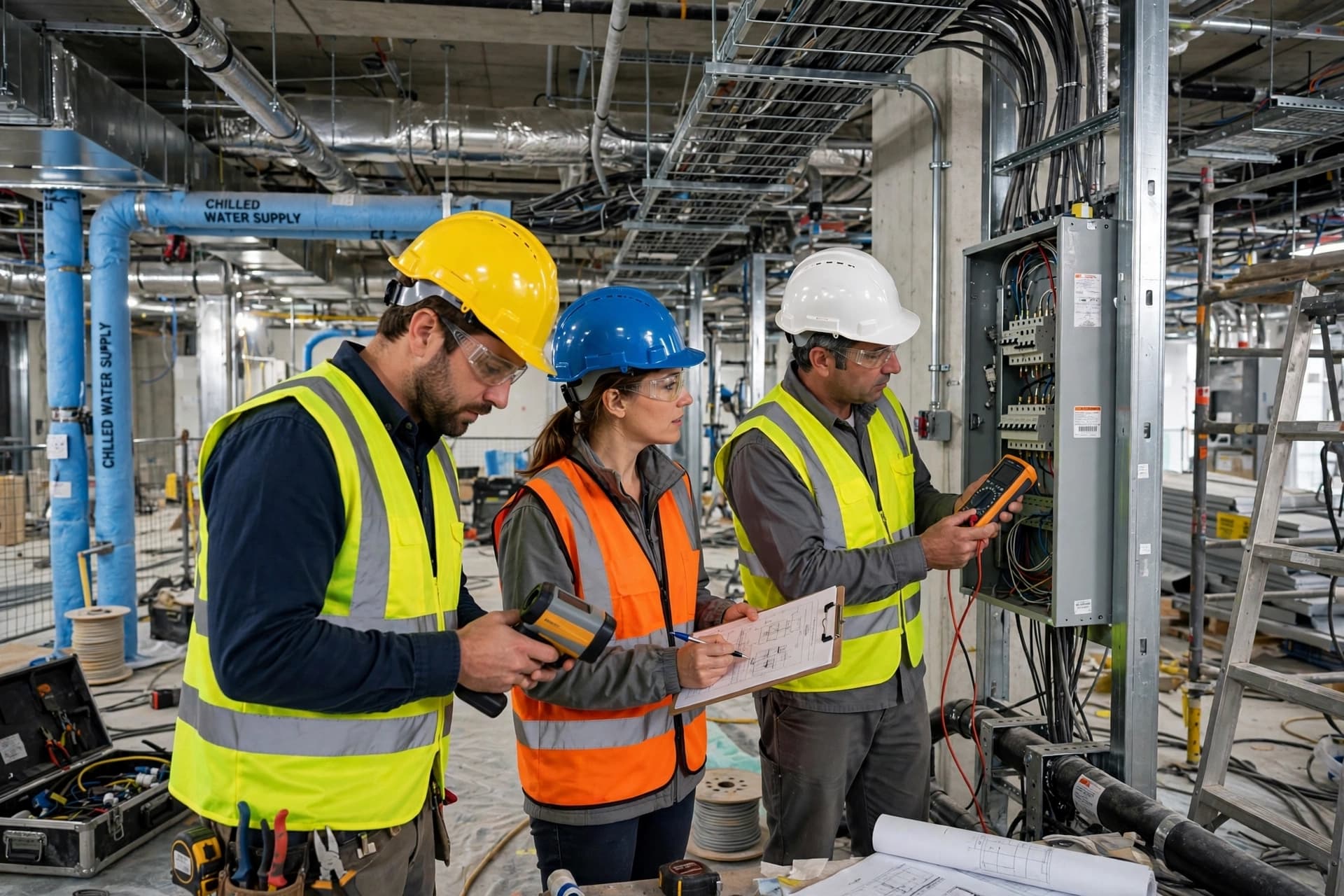
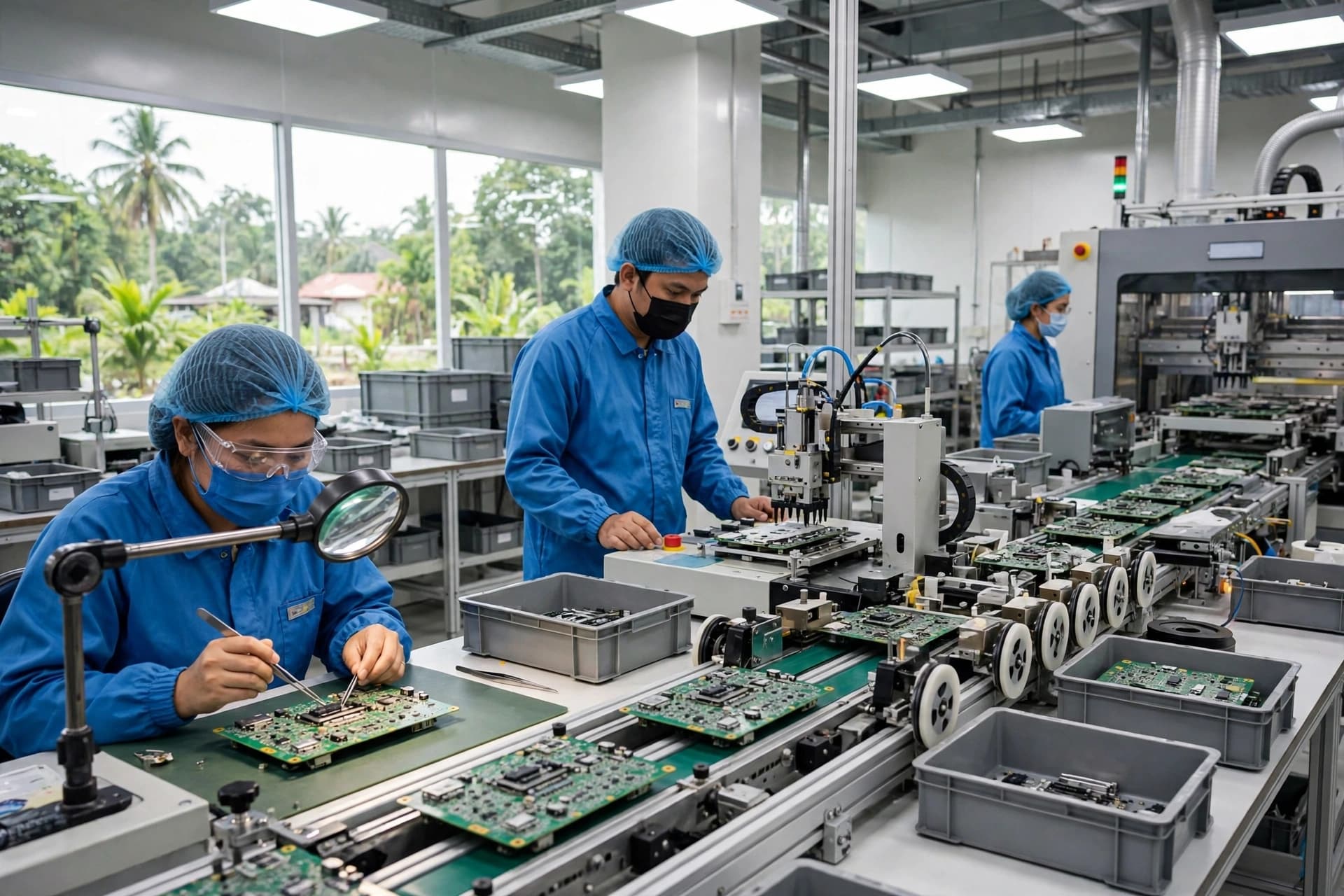
At major Australian airports, mornings begin with a familiar choreography. Ground crews guide aircraft into position, engineers inspect fuselages beneath bright hangar lights, and cabin staff move through terminals with practiced ease. The rhythm feels grounded in human coordination — gestures, voices, shared signals. Yet beyond the runways, another rhythm is taking shape, quieter and coded in lines of software.
Qantas now finds itself in a widening debate with unions over what the rise of artificial intelligence could mean for job security. As the airline industry embraces automation and data-driven systems, questions are emerging about how technological efficiency intersects with the livelihoods of those who have long sustained aviation’s daily operations.
Union representatives have voiced concern that expanded use of AI tools — from predictive maintenance systems to customer service chatbots and scheduling algorithms — could reduce roles or alter employment conditions without adequate safeguards. They argue that while innovation can enhance safety and service, it should not come at the expense of stable work or transparent consultation.
Qantas, for its part, has signaled that digital transformation is central to remaining competitive in a global aviation market defined by tight margins and evolving passenger expectations. Airlines worldwide are investing in AI-driven systems to streamline operations, anticipate mechanical issues before they escalate, and personalize customer interactions. Executives often frame such technologies as augmenting, rather than replacing, human expertise.
The tension lies in interpretation. Predictive maintenance software, for example, can analyze sensor data from aircraft engines to identify potential faults before they become critical. This can improve safety and reduce downtime. Yet workers may ask whether efficiency gains translate into fewer engineering roles over time. Similarly, automated check-in systems and digital support channels reshape front-line service, altering the mix of skills required across airport operations.
Australia’s aviation sector has weathered profound shifts in recent years, from pandemic-era shutdowns to cost restructuring and renewed travel demand. Within that context, the introduction of AI becomes part of a broader recalibration — one that blends recovery with reinvention. For unions, the priority remains ensuring that technological adoption does not outpace worker protections or retraining opportunities.
The phrase “AI era” can feel abstract, but on the hangar floor it manifests in practical tools: software dashboards, optimization programs, machine-learning systems embedded within logistics chains. These systems promise precision and foresight. They also prompt negotiation about how responsibilities are distributed between human judgment and automated analysis.
Industrial relations in Australia have long balanced innovation with structured dialogue. Enterprise agreements, workplace consultations, and regulatory frameworks provide channels through which disputes can unfold. The current standoff reflects that tradition — a process of contest and conversation rather than abrupt rupture.
For employees, job security is not merely a contractual clause. It is tied to identity, training invested over decades, and the continuity of communities built around airports and maintenance facilities. For management, adaptation is framed as essential to sustainability in a market shaped by fuel costs, environmental pressures, and global competition.
Neither side disputes that aviation will continue to evolve. The disagreement concerns pace, safeguards, and the definition of partnership in technological change. Will AI become a tool that enhances roles, or a catalyst for consolidation? The answer may depend less on the software itself and more on the agreements that govern its deployment.
As aircraft lift from runways and trace white arcs across open sky, the visible spectacle of flight remains rooted in human presence — pilots in cockpits, crew in cabins, technicians on the ground. Behind that spectacle, however, algorithms increasingly assist in planning routes, allocating crews, and analyzing performance.
In the space between code and cockpit, Qantas and its unions now negotiate the contours of tomorrow’s workforce. The conversation, measured yet consequential, reflects a broader question facing industries worldwide: how to integrate intelligence built by machines without diminishing the value of those who have long kept systems aloft.
For now, flights continue, schedules hold, and discussions proceed. The future of work in aviation, like the aircraft themselves, advances steadily — shaped by both thrust and restraint, by innovation and by the insistence that progress remain anchored in people.
Published by Banx Network. This article is part of the Banx decentralized media programme, powered by the BXE token on the XRP Ledger.