Key Highlights
- Trump’s Statement: President Donald Trump emphasized that the U.S. is taking reports of a potential Iranian dirty-bomb plot seriously.
- Intelligence Reports:CNN cited unnamed U.S. officials indicating Iran's tentative plans for a chemical attack against U.S. officials.
- Current Threat Level:The White House stated there are currently no credible threats to the homeland, but monitoring continues.
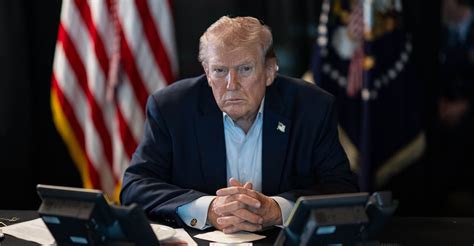
President Donald Trump stated on Tuesday that the United States is taking reports of a potential Iranian dirty-bomb plot targeting Washington “very seriously.” This statement comes amid growing concerns over Iran's capabilities and intentions, particularly in light of recent intelligence reports. While Trump did not confirm the allegations, his comments reflect the heightened vigilance of U.S. officials regarding national security threats.
According to a report by CNN, which cited seven unnamed U.S. officials, intelligence has suggested that Iran may be contemplating a chemical attack aimed at U.S. administration officials. The report underscores the seriousness with which U.S. intelligence agencies are treating the situation, although it remains unclear whether Iran has the operational capacity to execute such an attack.
In response to these developments, the White House has indicated that it is actively monitoring potential threats. However, officials have clarified that, at this time, there are no credible threats to the homeland. This statement aims to reassure the public while acknowledging the need for preparedness in the face of potential dangers.
The U.S. government is reportedly preparing contingency plans in case the situation escalates. This proactive approach reflects a broader strategy to ensure national security and protect citizens from any possible threats. The intelligence community is working diligently to assess the situation and determine the validity of the claims regarding Iran's intentions.
The implications of such threats are significant, as they not only affect U.S. domestic security but also have broader geopolitical ramifications. The relationship between the U.S. and Iran has been fraught with tension, and any indication of a potential attack could exacerbate existing conflicts. As the situation develops, it will be crucial for U.S. officials to navigate these challenges carefully, balancing national security interests with diplomatic efforts.
In conclusion, while the U.S. government takes these reports seriously, it is essential to remain vigilant and informed about the evolving landscape of international threats. The ongoing monitoring and assessment of Iran's capabilities will play a critical role in shaping U.S. responses to any potential threats in the future.
Published by Banx Network. This article is part of the Banx decentralized media programme, powered by the BXE token on the XRP Ledger.