Key Highlights
- Former President Santiago Peña was moved to military prison.
- Peña faces trial for his alleged role in the Ueno Bank collapse.
- Allegations of special treatment during his detention led to military command changes.
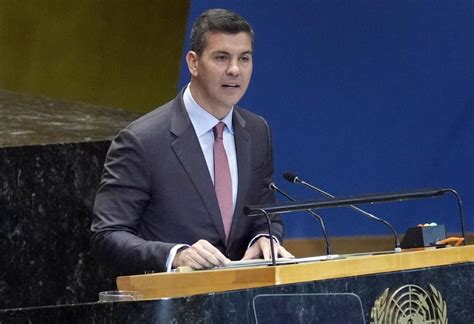
On Monday, a Paraguayan judge ordered the transfer of former President Santiago Peña from military-base quarters to the Viñas Cué military prison. This decision follows reports that Peña's previous detention included access to a private gym and suite, raising concerns about preferential treatment. The move is part of ongoing scrutiny regarding the former president's legal troubles and the conditions of his confinement.
Peña is currently awaiting trial related to the collapse of Ueno Bank, a financial institution whose insolvency affected nearly three million customers and froze significant public funds. Prosecutors allege that Peña used his influence to divert public money to the bank, which ultimately led to its downfall. Peña has consistently denied any wrongdoing, asserting that he acted within the law.
The allegations surrounding Peña's detention have prompted significant public outcry and scrutiny of the Paraguayan military's handling of the situation. In response to the controversy, President Pedro Alliana dismissed the commander of the regiment responsible for Peña's initial detention. This action reflects the government's attempt to address concerns about potential favoritism and ensure accountability within the military ranks.
The case against Peña is emblematic of broader issues within Paraguay's political landscape, where corruption and mismanagement have long been points of contention. The fallout from the Ueno Bank collapse has not only impacted individual customers but has also raised questions about the integrity of financial institutions in the country.
As the trial approaches, the implications of Peña's case extend beyond his personal fate. It serves as a litmus test for Paraguay's judicial system and its ability to hold powerful figures accountable. Observers are closely watching how the government navigates this politically sensitive situation, especially given the historical context of corruption in Paraguayan politics.
In the coming weeks, as the trial date is set, the public will likely demand transparency and justice. The outcome could have lasting effects on public trust in government institutions and the military's role in political affairs.
Published by Banx Network. This article is part of the Banx decentralized media programme, powered by the BXE token on the XRP Ledger.