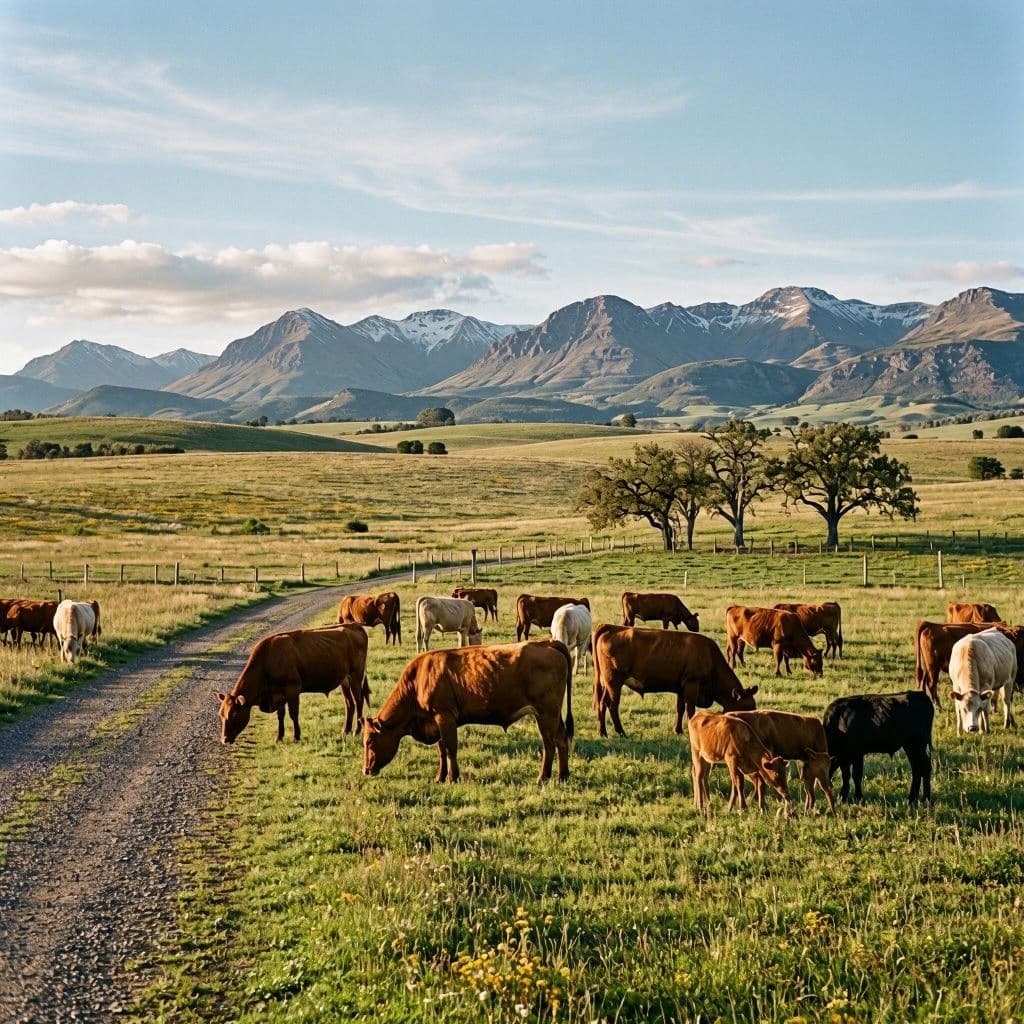
In the vast, open landscapes of the American West, a timeless tension exists between human enterprise and wild nature. Recently, former President Donald Trump signed executive orders aimed at empowering ranchers to protect their livestock from wolves and expanding domestic meat processing capabilities. These directives reflect a prioritization of agricultural interests and economic self-sufficiency, signaling a shift in federal policy toward supporting rural industries. The move invites reflection on the balance between conservation efforts and the livelihoods of those who work the land.
The order regarding wolf management allows for more flexible responses to predation, giving ranchers greater authority to defend their herds. For decades, the reintroduction of wolves has been a contentious issue, pitting environmentalists against agricultural communities. Ranchers argue that unchecked predation threatens their economic viability, while conservationists emphasize the ecological role of apex predators. This new policy tilts the scale toward local control, acknowledging the immediate financial risks faced by livestock owners.
Simultaneously, the expansion of meat processing infrastructure addresses longstanding bottlenecks in the supply chain. Recent years have exposed vulnerabilities in centralized processing systems, leading to delays and increased costs for producers. By encouraging the development of smaller, regional facilities, the order aims to create a more resilient and decentralized network. This strategy supports local economies and reduces dependence on large corporate processors, aligning with broader goals of economic independence.
Supporters of the orders praise them as practical solutions to real-world problems. They argue that protecting livestock is essential for the survival of family farms and rural communities. Additionally, enhancing processing capacity ensures that American consumers have access to affordable, domestically produced meat. For many in the agricultural sector, these measures represent a long-overdue recognition of their contributions to the national economy.
Critics, however, express concern about the potential impact on wildlife populations. Environmental groups warn that relaxed protections for wolves could lead to unsustainable declines in their numbers, disrupting ecosystem balance. They advocate for non-lethal management strategies and coexistence programs as more sustainable alternatives. The debate highlights the complex interplay between economic needs and environmental stewardship, a challenge that requires nuanced and collaborative solutions.
The implementation of these orders will depend on cooperation between federal agencies, state governments, and local stakeholders. Monitoring mechanisms will be crucial to ensure that wolf populations remain viable while addressing ranchers’ concerns. Similarly, the growth of meat processing facilities must adhere to safety and environmental standards. Success will require careful planning and ongoing dialogue among all parties involved.
For rural America, these policies offer a sense of empowerment and support. They signal a commitment to preserving traditional ways of life while adapting to modern economic realities. As the orders take effect, the landscape of agriculture and conservation may shift, reflecting a new approach to managing the relationship between humans and the wild. It is a step toward a future where both industry and nature can thrive.
Executive orders signed by Trump to aid ranchers in wolf protection and expand meat processing highlight the administration’s focus on supporting agricultural interests and enhancing domestic food supply chain resilience.
AI Image Disclaimer: The images referenced in this piece are AI-created visualizations meant to evoke the setting, not direct documentation of the scientific data.
Sources: Reuters Bloomberg Agriculture The Hill Department of Agriculture Statements
Published by Banx Network. This article is part of the Banx decentralized media programme, powered by the BXE token on the XRP Ledger.