In the high-stakes world of American politics, momentum is everything. For former President Donald Trump, the recent string of electoral setbacks has tested his resilience and reshaped his public demeanor. As losses mount in key races and polling numbers dip, his frustration has become increasingly visible, marking a shift from the confident dominance of previous cycles to a more defensive and agitated posture. This evolution reflects the changing dynamics of a political landscape that is no longer guaranteed to bend to his will.
The midterms of 2026 have proven challenging for the Republican Party, with several high-profile candidates falling short of expectations. Trump’s endorsement, once a golden ticket for aspiring politicians, has shown mixed results, leading to internal questioning within the party. For a leader who thrives on winning, these defeats are not just statistical blips but personal affronts that challenge his narrative of invincibility. The pressure to maintain control over the party’s direction is intensifying.
Publicly, Trump has responded with characteristic bravado, often blaming external factors such as media bias or election integrity issues. However, behind the scenes, allies report a growing sense of urgency and irritation. The realization that his influence may be waning has led to more aggressive tactics and sharper rhetoric, as he seeks to rally his base and reassert his authority. This boiling point is a natural reaction to the erosion of unchecked power.
The impact of this frustration extends beyond Trump himself, affecting the broader Republican strategy. Candidates are navigating a delicate balance between loyalty to the former president and the need to appeal to a broader electorate. Some are distancing themselves, while others double down, creating a fragmented party identity. This division complicates efforts to present a unified front against Democratic opponents.
Polling data indicates that voter fatigue with constant political drama is setting in. While Trump remains a dominant figure, his approval ratings among independents and moderate Republicans have softened. This shift suggests that the electorate is looking for stability and competence, qualities that are sometimes overshadowed by the chaos of perpetual campaigning. The losses serve as a barometer of this changing sentiment.
Despite the setbacks, Trump’s base remains loyal, providing a solid foundation for future endeavors. However, the path forward requires adaptation. The political environment is evolving, and success will depend on the ability to connect with voters on issues beyond personality and grievance. The frustration he feels is a signal that the old playbook may no longer be sufficient.
As the next election cycle approaches, the question is whether Trump can channel this frustration into renewed energy or if it will lead to further isolation. His response to these losses will define the next chapter of his political legacy. For now, the tension is palpable, reflecting the high stakes of a career built on winning.
In the end, politics is a game of endurance. Trump’s frustration is a testament to the difficulty of maintaining relevance in a rapidly changing world. Whether he adapts or resists, the coming months will reveal much about the future of the Republican Party and his place within it.
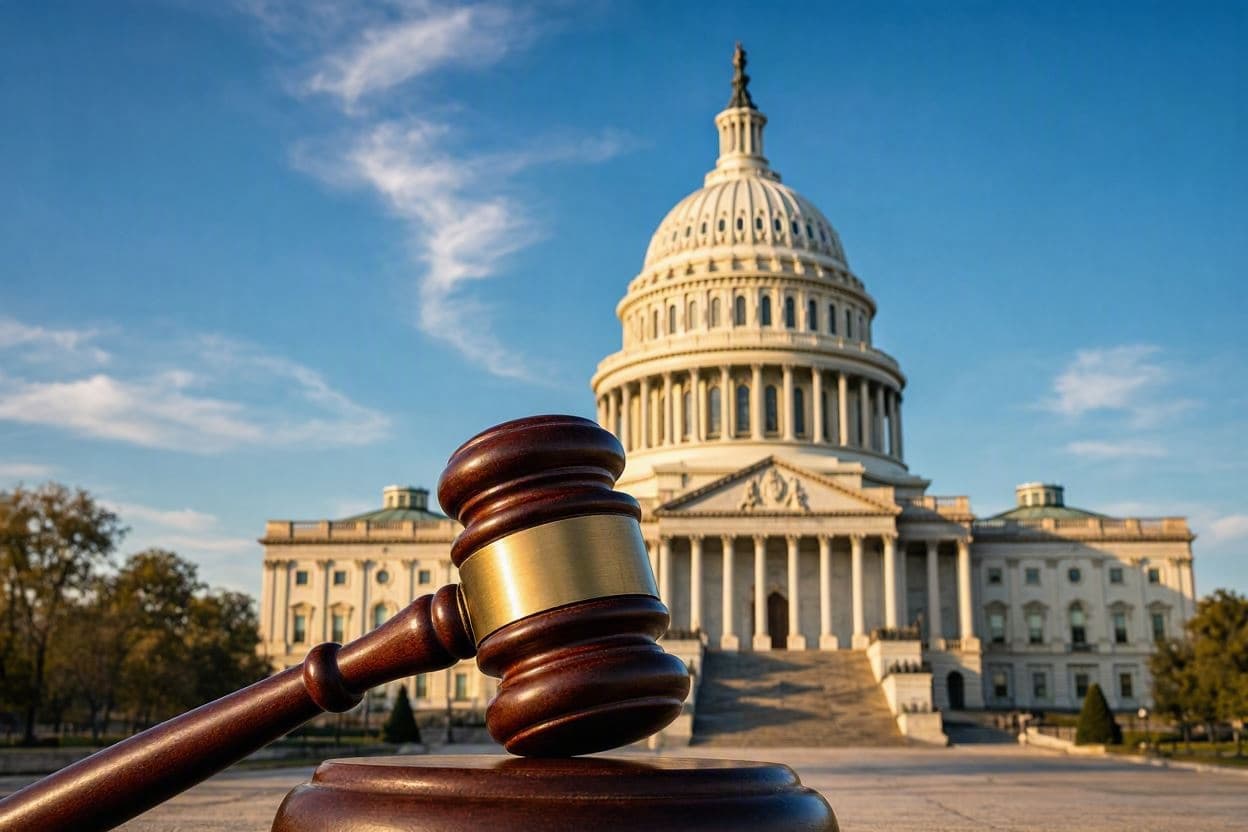
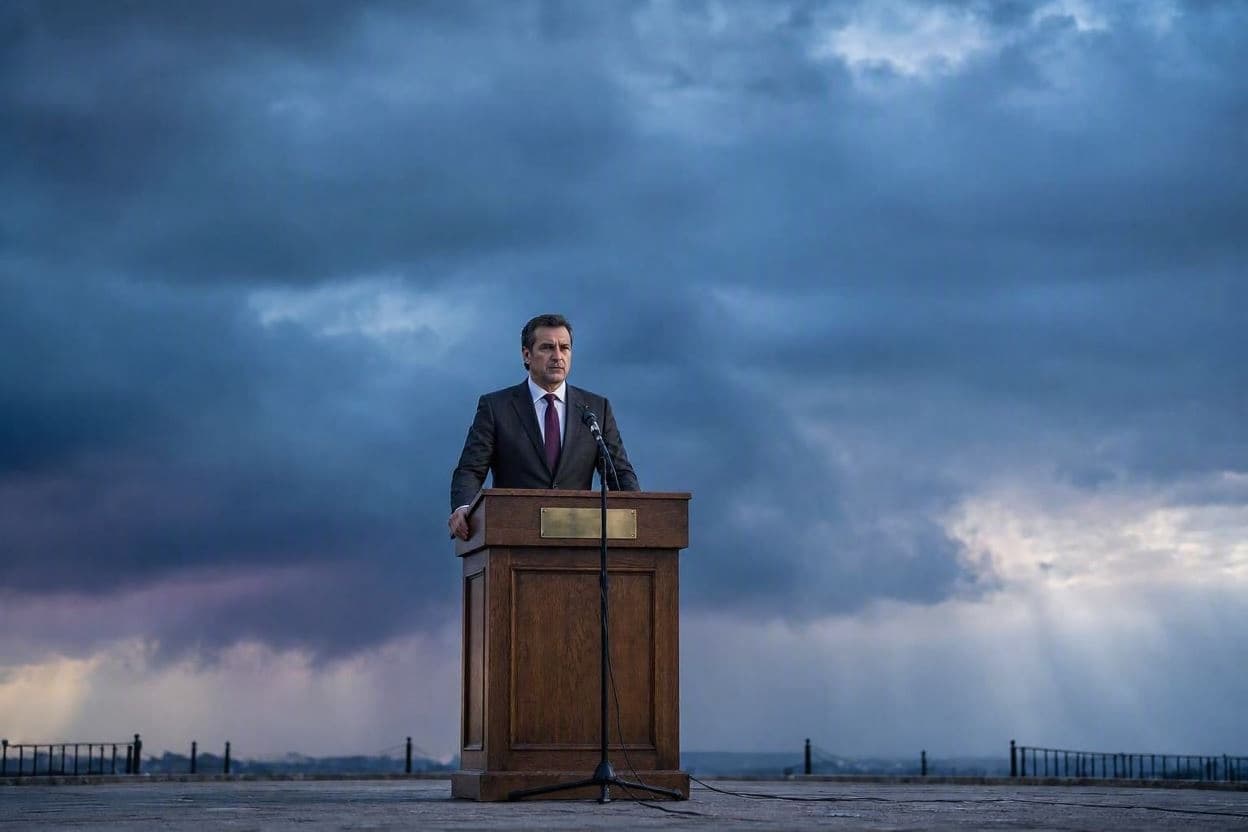
AI Image Disclaimer: The images accompanying this article are AI-generated artistic interpretations of political tension and campaign settings, not actual photographs of Donald Trump or specific events.
Sources: CNN Brookings Institution Politico
Published by Banx Network. This article is part of the Banx decentralized media programme, powered by the BXE token on the XRP Ledger.