
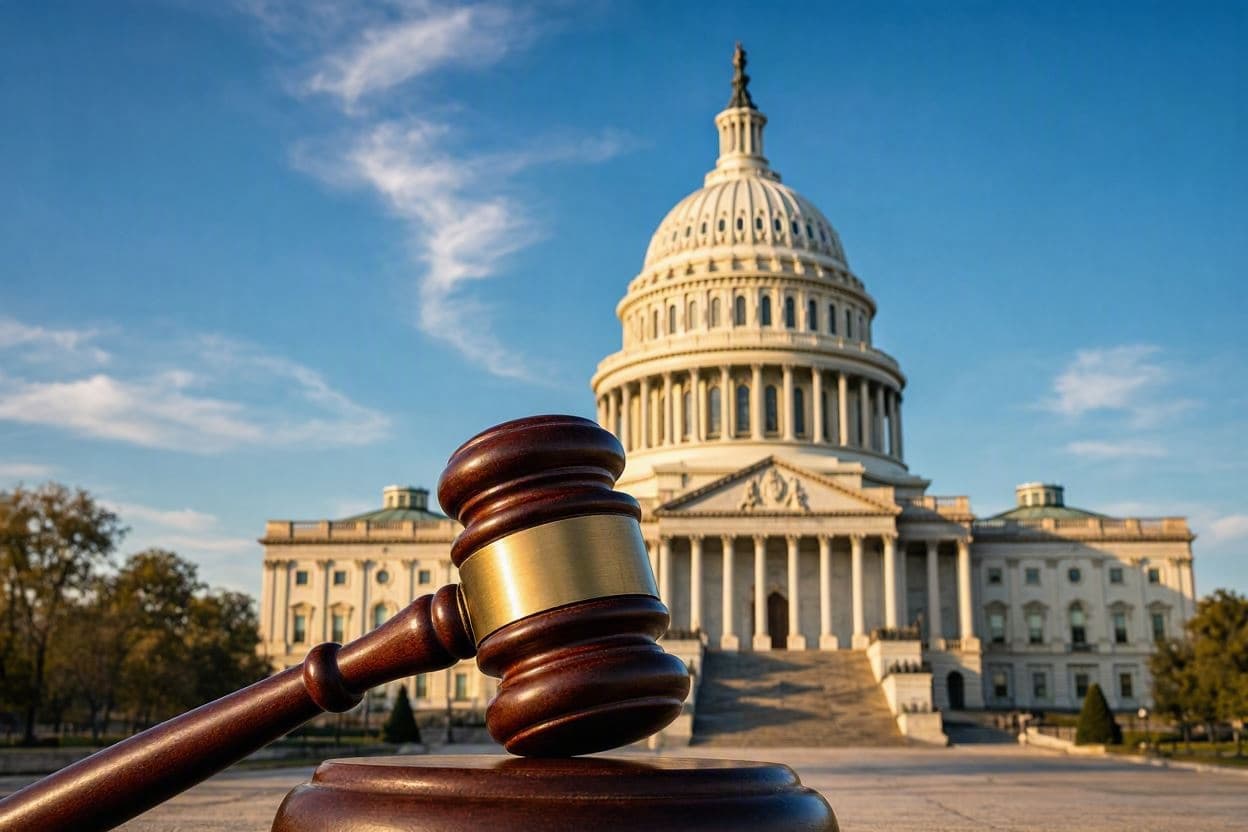
In the hallowed halls of Congress, where the power of inquiry meets the weight of individual rights, a significant moment unfolded this week. The House of Representatives voted unanimously to hold billionaire investor Leon Black in contempt of Congress, marking a decisive step in the ongoing investigation into the late Jeffrey Epstein’s network. This action, taken via unanimous consent without debate or roll call, underscores the bipartisan seriousness with which lawmakers are pursuing accountability for those who may have facilitated or ignored alleged abuses.
Leon Black, the co-founder of Apollo Global Management, had refused to comply with two subpoenas issued by the House Oversight Committee. His legal team argued that the requests were overly broad and sought to block his testimony through litigation. However, the committee maintained that Black’s financial ties to Epstein, including millions of dollars in payments after Epstein’s 2008 conviction, were central to understanding the scope of the financier’s operations and the complicity of powerful figures.
The vote itself was swift, reflecting a rare moment of unity in a often divided chamber. By holding Black in contempt, the House has now passed the matter to the Department of Justice, which must decide whether to pursue criminal prosecution. This transition from legislative inquiry to potential legal action highlights the limits of congressional power and the reliance on executive enforcement to uphold its authority. It is a reminder that the gavel of Congress can only echo so far without the backing of the courts.
For the victims of Epstein’s crimes, this development offers a glimmer of hope that justice may yet extend beyond the grave. The investigation has long sought to uncover not just the actions of one man, but the systemic failures and willful blindness of an elite circle. Black’s refusal to testify has been viewed by many as an obstruction of this truth-seeking process, making the contempt citation a symbolic victory for transparency.
The case also raises questions about the influence of wealth in the legal and political systems. Billionaires often have the resources to engage in prolonged legal battles, delaying accountability and testing the patience of investigators. The House’s decision to move forward despite these challenges signals a determination to assert that no individual is above the scrutiny of public representatives. It is a statement that privilege does not grant immunity from civic duty.
As the Justice Department reviews the referral, attention will turn to whether federal prosecutors will take up the case. Past instances of contempt referrals have seen mixed results, with some leading to prosecutions and others fading into administrative resolution. The outcome here will set a precedent for how Congress handles non-compliance from high-profile individuals in future investigations, particularly those involving sensitive matters of national concern.
For Leon Black, the contempt citation adds to a series of professional and personal setbacks following the revelations about his relationship with Epstein. He has since stepped down from Apollo and faced intense public scrutiny. While he maintains his innocence regarding any wrongdoing, the stain of association remains, illustrating the reputational risks that come with close ties to controversial figures.
In the end, the vote is more than a procedural maneuver; it is a reflection of a society grappling with the legacy of abuse and the demand for accountability. By holding Black in contempt, the House has affirmed that the search for truth is paramount. Whether this leads to further legal consequences remains to be seen, but the message sent is clear: silence is not an option when history demands answers.
AI Image Disclaimer: The visual representations included here are AI-generated illustrations designed to depict congressional settings and legal concepts, not actual photographs of Leon Black or the House floor during the vote.
Sources: NBC News Politico PBS NewsHour
Published by Banx Network. This article is part of the Banx decentralized media programme, powered by the BXE token on the XRP Ledger.



.jpg&w=3840&q=75 "Up to 25,000 North Koreans Reportedly Work in Russian Drone Production")