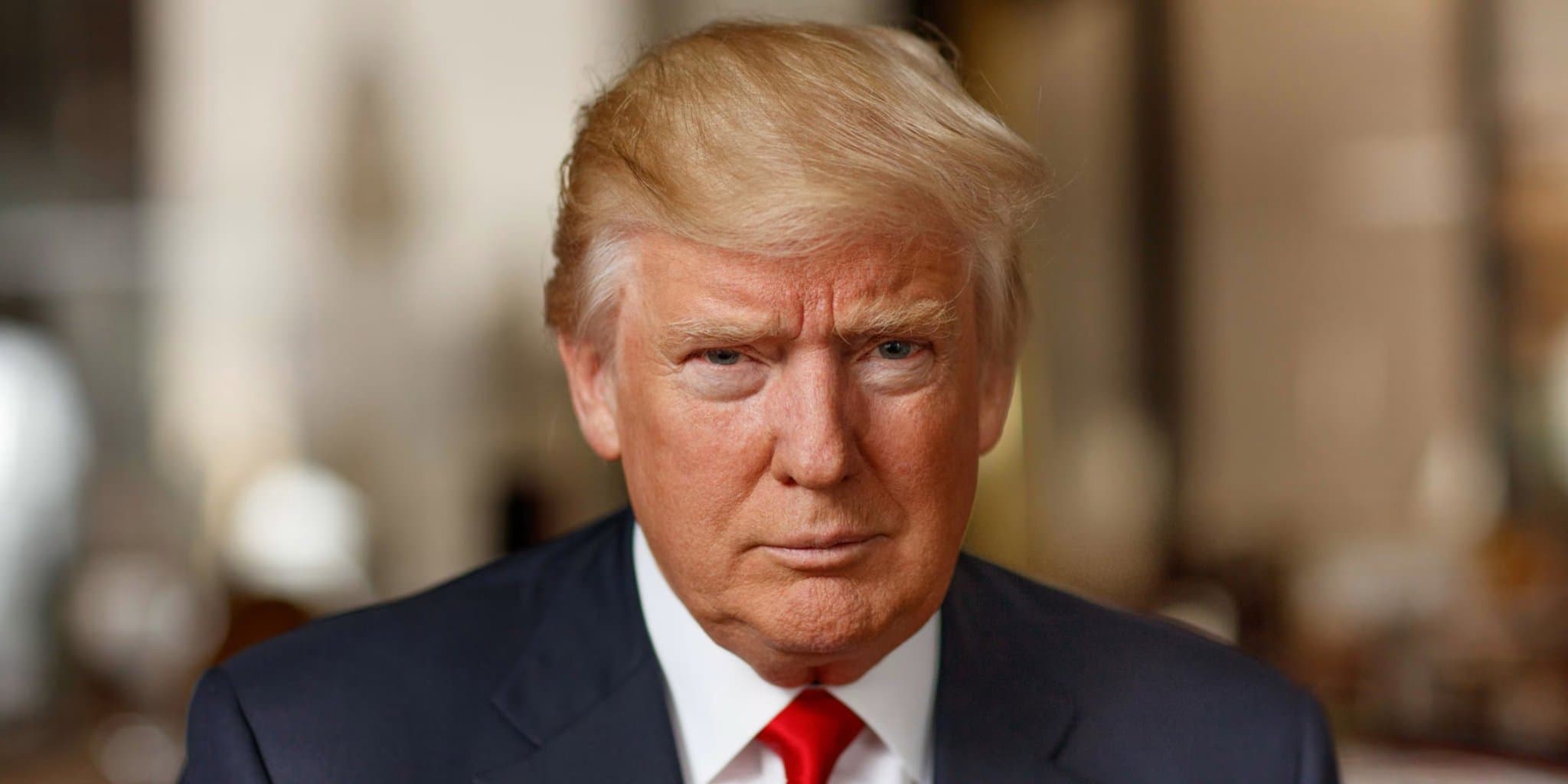
Political tensions intensified after renewed calls from President Donald Trump urging lawmakers to move forward on legislation referred to as the “Save America Act,” adding fresh momentum to an already heated national policy environment. The public demand immediately triggered reactions across political circles, social media communities and policy observers monitoring developments in Washington. Legislative battles have increasingly become central to the national political landscape as competing priorities collide ahead of major election cycles. Public messaging from political leaders often plays a critical role in shaping momentum, influencing voter sentiment and increasing pressure on lawmakers facing difficult policy decisions. Trump’s message calling on senators to “stop playing games” and advance legislation quickly circulated across online platforms, generating debate regarding both the substance of proposed policy efforts and broader questions surrounding congressional priorities. Modern political communication increasingly unfolds in real time. Social media statements now move markets, dominate news cycles and influence public discussion within minutes. Political figures increasingly rely on direct communication channels to mobilize supporters and shape narratives without traditional media filters. Congress continues navigating a highly polarized political environment where legislation frequently encounters procedural obstacles, partisan disagreements and competing policy objectives. Even measures with substantial public attention can face significant challenges during the legislative process. Supporters of stronger legislative action often argue government institutions should move faster on issues affecting national priorities. Calls for urgency commonly emerge around economic policy, border security, government spending and regulatory oversight. Critics frequently counter that complex legislation requires deliberate review, negotiation and bipartisan engagement to avoid unintended consequences. Political gridlock itself has increasingly become a major concern among voters frustrated by repeated delays surrounding major national issues. Washington policymakers continue balancing competing pressures from constituents, party leadership, advocacy organizations and economic stakeholders. Legislative outcomes often reflect negotiations extending far beyond public statements or headline moments. Political messaging strategies have evolved dramatically over recent years. Direct voter engagement through digital platforms now represents a central component of modern campaign infrastructure. Public figures increasingly communicate positions instantly, bypassing traditional information channels and accelerating political response cycles. Financial markets also closely monitor major policy developments emerging from Washington. Government spending proposals, regulatory changes and fiscal legislation frequently influence investment decisions and business planning strategies. Broader political dynamics remain especially important as policymakers navigate economic uncertainty, inflation concerns and global geopolitical developments simultaneously. National security discussions, international trade considerations and domestic economic priorities increasingly overlap within policy debates. Political analysts note that public pressure campaigns often serve multiple purposes. Beyond influencing immediate legislative discussions, direct appeals can strengthen supporter engagement, shape public narratives and reinforce broader political positioning. Election considerations also influence legislative momentum. Political leaders regularly evaluate how policy decisions may affect voter perception and future campaign strategies. Public trust in institutions remains another major factor shaping political discussions. Surveys over recent years have consistently highlighted concerns surrounding political division and institutional effectiveness. The coming months will likely determine whether renewed calls for congressional action translate into meaningful legislative movement. Political momentum can accelerate rapidly, but major policy initiatives frequently face complex negotiation processes before becoming law. For voters, investors and policy observers alike, developments in Washington continue carrying substantial implications. Legislative decisions often influence economic conditions, regulatory environments and national priorities well beyond immediate political headlines. As debate surrounding congressional action intensifies, attention now shifts toward lawmakers and whether growing public pressure ultimately produces measurable policy outcomes.
Published by Banx Network. This article is part of the Banx decentralized media programme, powered by the BXE token on the XRP Ledger.