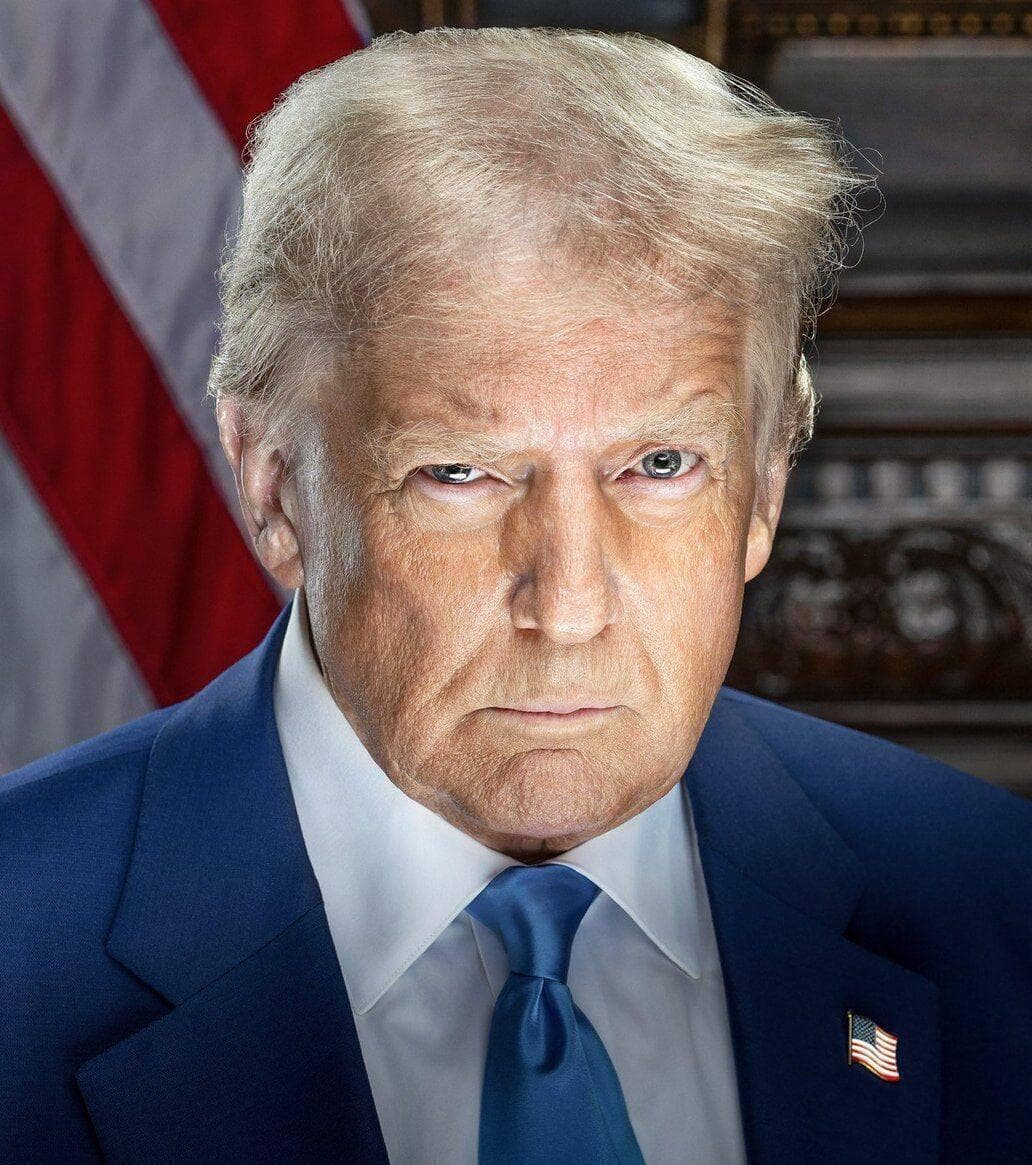
Former U.S. President Donald Trump has intensified his criticism of America's allies, targeting Italy over what he described as a lack of support in confronting Iran's nuclear ambitions and regional influence. In a social media statement that quickly attracted international attention, Trump argued that the United States has spent decades and trillions of dollars supporting NATO members, only to find some allies unwilling to reciprocate when strategic challenges emerge. Trump's remarks focused specifically on Italy, suggesting that the country and its leadership have been reluctant to become involved in efforts to counter threats posed by Iran. He claimed that while the United States has consistently invested heavily in the defense of NATO members, some allies fail to stand with Washington during periods of geopolitical tension. The comments come amid heightened concern over instability in the Middle East, growing tensions between Iran and Western powers, and renewed debates about burden-sharing within the NATO alliance. The statement reflects a recurring theme in Trump's foreign policy outlook. Throughout his political career, he has argued that U.S. allies often rely too heavily on American military and financial support while contributing insufficiently to collective defense efforts. During his presidency, Trump repeatedly pressured NATO members to increase defense spending and meet alliance targets. His latest comments suggest that those concerns remain central to his worldview. Italy occupies a significant role within NATO due to its strategic location in the Mediterranean and its participation in numerous alliance missions. However, European governments often approach Middle Eastern conflicts differently from Washington, favoring diplomacy and multilateral negotiations. These differences have occasionally created friction between the United States and European partners over how best to manage Iran's nuclear program and regional activities. The debate also highlights broader questions about alliance cohesion at a time when global security challenges are becoming increasingly complex. NATO members face pressures ranging from conflicts in Eastern Europe to instability in the Middle East and growing competition among major powers. Maintaining unity while balancing national interests has become one of the alliance's most difficult tasks. Political analysts note that Trump's comments may resonate with voters who believe allies should contribute more to collective security. Critics, however, argue that public criticism of partners risks weakening diplomatic relationships and undermining international cooperation. The discussion is likely to remain prominent as policymakers continue to evaluate the future of transatlantic security arrangements. Whether the remarks translate into policy proposals or remain part of broader political messaging, they underscore ongoing debates about America's global commitments and the responsibilities shared among allied nations in addressing emerging threats.
Published by Banx Network. This article is part of the Banx decentralized media programme, powered by the BXE token on the XRP Ledger.