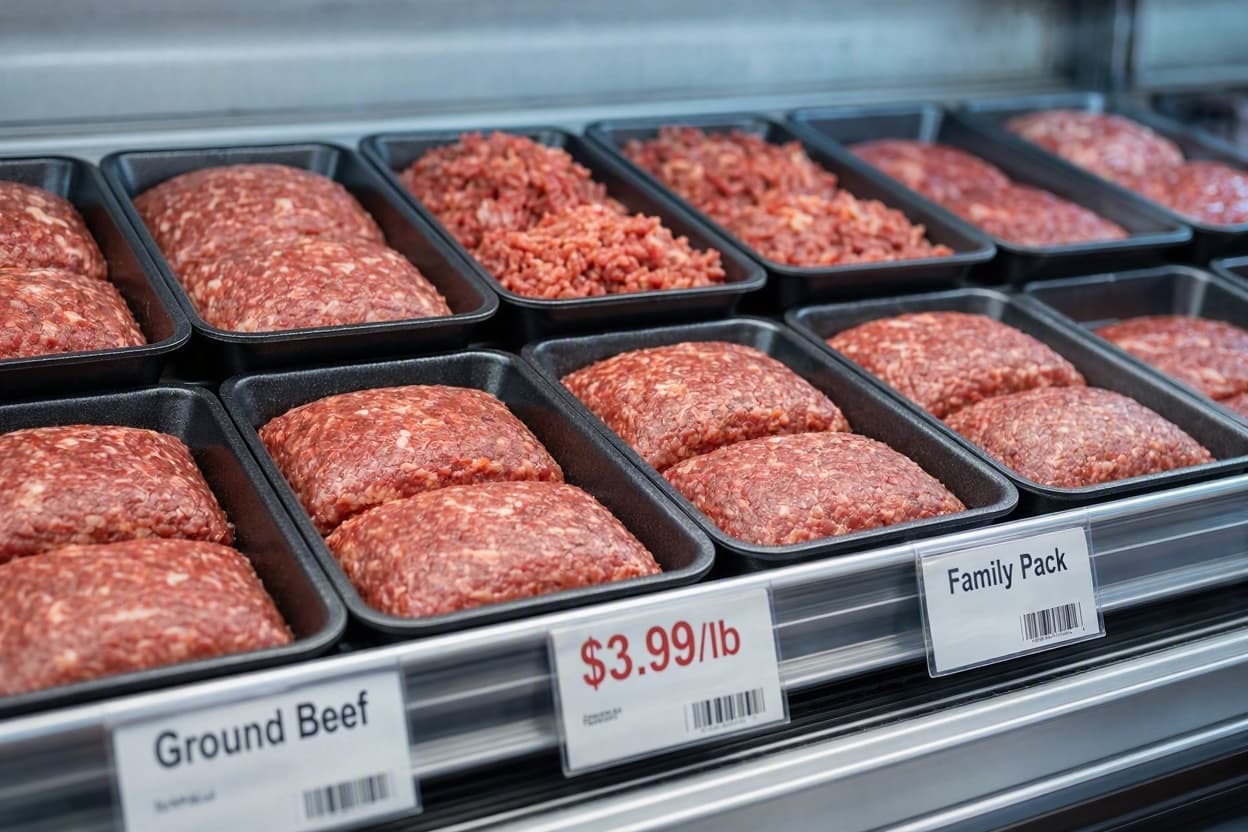
In the complex dance of global trade, tariffs often serve as both shield and sword, protecting domestic industries while occasionally raising costs for consumers. Recently, a strategic adjustment was made to ease tariffs on certain ground beef products, a move aimed at alleviating pressure on household budgets. This decision reflects a pragmatic approach to economic management, balancing the interests of local producers with the immediate needs of shoppers facing rising food prices. It is a subtle shift in policy that speaks to the broader challenge of maintaining affordability in a volatile market.
The decision to reduce tariffs on specific beef imports comes amid growing concern over inflation and the cost of living. Ground beef, a staple in many American diets, has seen price fluctuations due to various factors, including supply chain disruptions and domestic production constraints. By lowering the barriers to entry for certain foreign products, the administration aims to increase supply and stabilize prices. This measure is designed to provide relief to consumers without completely undermining the competitive position of domestic ranchers.
Critics of tariffs have long argued that they function as a tax on consumers, raising prices on everyday goods. Proponents, however, emphasize the need to protect local jobs and industries from unfair foreign competition. The recent easing of tariffs represents a middle ground, acknowledging that while protectionism has its place, excessive barriers can harm the very people they are intended to help. It is a calibration of policy that seeks to optimize both economic security and consumer welfare.
The impact of this change is expected to be gradual but noticeable. Importers will likely respond by increasing orders of the affected products, leading to greater availability in supermarkets. As supply increases, prices should theoretically stabilize or decrease, offering some breathing room for families managing tight budgets. However, the extent of the relief will depend on how quickly the market adjusts and whether other factors, such as fuel costs or labor shortages, continue to exert upward pressure on prices.
Domestic producers have expressed mixed reactions to the news. Some worry that increased competition could squeeze their margins, particularly if foreign producers benefit from lower production costs or subsidies. Others recognize the necessity of keeping prices manageable to maintain overall demand for beef. Industry groups are closely monitoring the situation, advocating for measures that ensure a level playing field while allowing for necessary imports.
This policy shift also highlights the interconnectedness of global agricultural markets. Decisions made in Washington ripple through farms in South America, processing plants in the Midwest, and grocery stores across the nation. It underscores the importance of adaptive trade policies that can respond to changing economic conditions. Flexibility, rather than rigid adherence to ideology, appears to be the guiding principle in this instance.
For economists, this move serves as a case study in the trade-offs inherent in tariff policy. It demonstrates how targeted adjustments can address specific pain points without dismantling broader trade frameworks. The success of this initiative will be measured not just in price reductions but in the stability it brings to the agricultural sector and the confidence it instills in consumers.
The easing of tariffs on ground beef products is a practical step toward addressing inflationary pressures. It reflects a willingness to adapt policy to meet real-world needs, prioritizing consumer affordability while maintaining support for domestic industry. As the market responds, the hope is that this adjustment will contribute to a more stable and accessible food supply, easing the financial burden on households across the country.
AI Image Disclaimer: Please note that any accompanying visuals for this article are AI-generated representations intended for illustrative purposes only.
Sources: Reuters, Bloomberg, The Wall Street Journal, USDA
Published by Banx Network. This article is part of the Banx decentralized media programme, powered by the BXE token on the XRP Ledger.