Heat is not just a number on a thermometer; it is a physical experience shaped by humidity, wind, and the movement of air. In recent years, many regions have experienced spikes in "moist heat," a dangerous combination of high temperature and humidity that challenges the body’s ability to cool itself. New research suggests that rising plumes of warm air, often overlooked in broad climate models, play a crucial role in driving these intense local weather events.
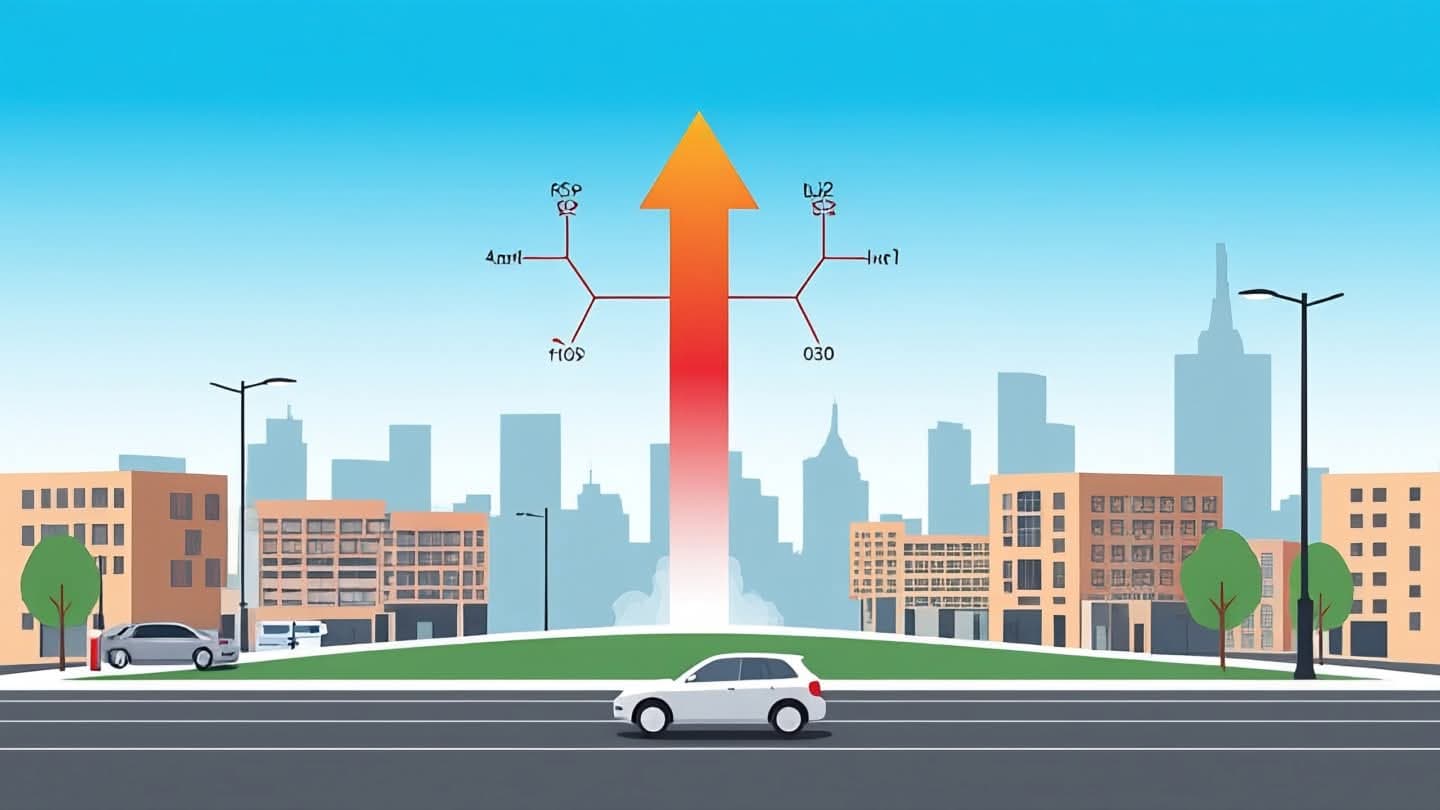
Atmospheric scientists have long studied large-scale patterns like jet streams and ocean currents, but smaller-scale phenomena such as convective plumes are gaining attention. These plumes are columns of warm, moist air that rise rapidly from the surface, carrying heat and water vapor into the lower atmosphere. When they encounter cooler air aloft, they can trap moisture near the ground, creating pockets of stifling humidity.
The study highlights how these plumes interact with urban environments and agricultural landscapes. In cities, heat islands generate strong updrafts that lift moisture from soil and vegetation. In rural areas, irrigation can provide the water source for these plumes. As the air rises and cools, some moisture condenses, but much of it remains suspended, increasing the dew point and making the air feel heavier and hotter.
This mechanism helps explain why heatwaves are becoming more humid, not just hotter. Traditional models may underestimate the contribution of local convection to regional humidity levels. By incorporating plume dynamics, meteorologists can improve forecasts for heat stress, allowing for better public health warnings and preparedness strategies.
The implications for human health are significant. Moist heat prevents sweat from evaporating efficiently, raising the risk of heatstroke and other heat-related illnesses. Vulnerable populations, including the elderly and those with chronic conditions, are particularly at risk during these spikes. Understanding the atmospheric drivers of moist heat is therefore a matter of public safety.
Climate change is expected to intensify these effects. As global temperatures rise, the atmosphere can hold more moisture, fueling stronger and more frequent convective plumes. This feedback loop could lead to more frequent occurrences of extreme moist heat events, even in regions that were previously considered temperate.
Researchers are using high-resolution satellite data and ground-based sensors to track these plumes in real time. This data helps validate computer models and refine predictions. The goal is to create a more nuanced understanding of local microclimates and how they contribute to broader weather patterns.
Community planning can also benefit from this knowledge. Urban designers are exploring ways to reduce heat island effects, such as increasing green spaces and using reflective materials. By mitigating the sources of rising warm air, cities may be able to dampen the intensity of moist heat spikes.
The study underscores the importance of looking beyond average temperatures to understand the full impact of climate change. As research continues, integrating plume dynamics into weather forecasting will become essential for protecting communities from the growing threat of moist heat.
AI Image Disclaimer: The images associated with this piece are AI-generated visualizations intended to represent the themes of atmospheric science, heat waves, and urban climate dynamics.
Sources: Nature Climate Change American Meteorological Society Science Daily NOAA (National Oceanic and Atmospheric Administration) The Guardian
Published by Banx Network. This article is part of the Banx decentralized media programme, powered by the BXE token on the XRP Ledger.