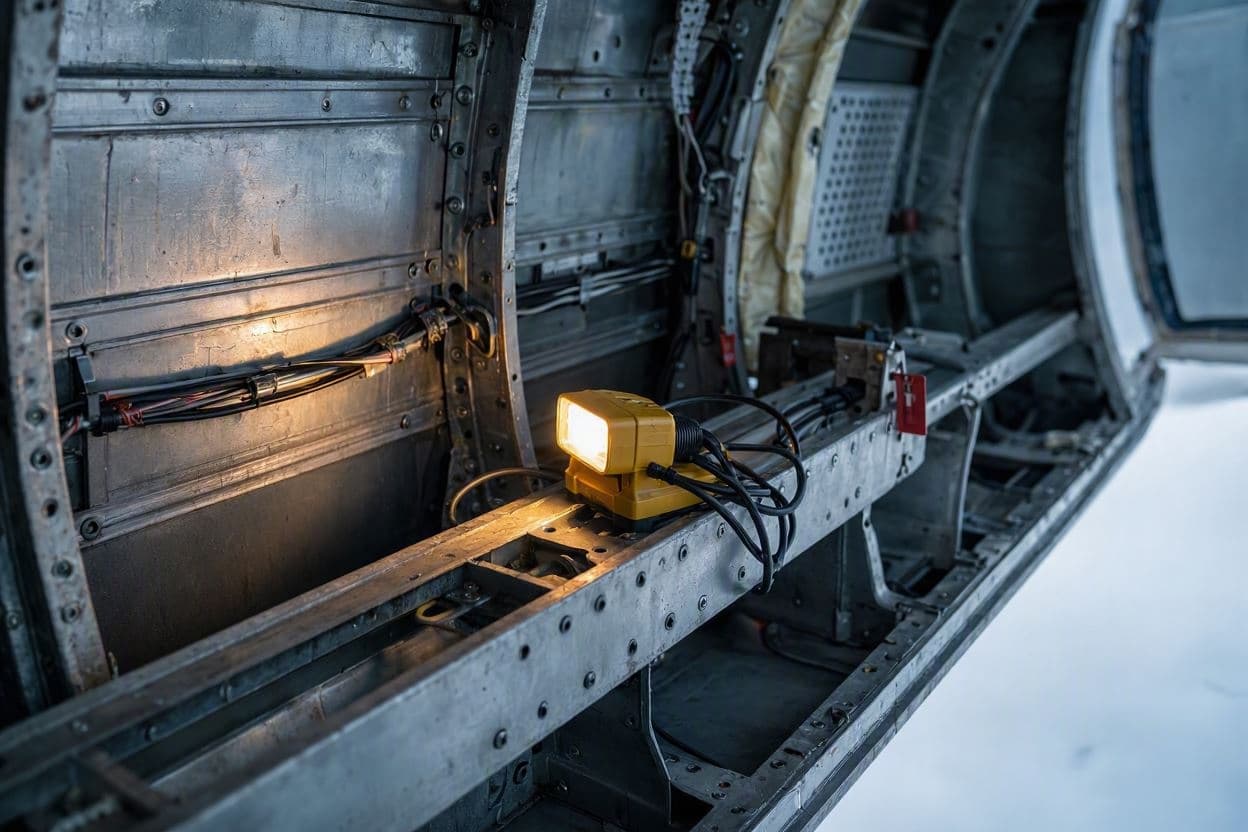
In the intricate ballet of modern aviation, safety is maintained not by chance but by rigorous procedure and meticulous attention to detail. Yet, a recent report from the Australian Transport Safety Bureau (ATSB) has highlighted a moment where this delicate balance was briefly disrupted. A work light, intended to illuminate the dark recesses of an aircraft wing during maintenance, was inadvertently left behind inside the structure of a Qantas Airbus A380 before it embarked on a long-haul journey to the United States.
The incident, which occurred in early 2026, involved a routine maintenance task at Sydney Airport. Technicians were performing checks within the wing’s internal structure, a space complex enough to require artificial lighting for visibility. When the job was completed, the light was not accounted for in the tool control process, a critical step designed to ensure no foreign objects remain in the aircraft. Despite multiple subsequent safety checks, the oversight went unnoticed, and the plane departed for Dallas and back.
The ATSB investigation concluded that the error stemmed from a breakdown in foreign object control and tool accountability protocols. These systems are the backbone of aviation maintenance, ensuring that every item brought into the workspace is tracked and removed. The failure to adhere to these procedures allowed the light to remain hidden within the wing, posing a potential risk to the aircraft’s structural integrity and systems, although no damage was reported during the flights.
Qantas has since conducted its own internal review, acknowledging the lapse and reinforcing its commitment to safety standards. The airline emphasized that while the incident was serious, the robust design of the A380 and the nature of the object meant that immediate danger was unlikely. Nevertheless, the event serves as a stark reminder of the human element in highly automated and regulated industries, where vigilance must never waver.
For the traveling public, news of such incidents can be unsettling. However, the transparency of the ATSB report and the airline’s response demonstrate a system that is capable of self-correction and learning. The aviation industry thrives on sharing lessons from near-misses, using them to strengthen protocols and prevent future occurrences. This incident will likely lead to enhanced training and stricter enforcement of tool control measures across the board.
The role of maintenance workers is often unseen but indispensable. They operate under pressure, ensuring that thousands of passengers reach their destinations safely. While errors can occur, the culture of safety in aviation encourages reporting and analysis rather than blame. This approach fosters an environment where mistakes are viewed as opportunities for improvement, ultimately leading to safer skies for everyone.
As the investigation closes, the focus shifts to implementation. Qantas and other carriers will review their maintenance practices to ensure that similar oversights are caught before an aircraft leaves the ground. The goal is not just compliance but a deeper integration of safety consciousness into every action taken by ground staff. It is a continuous journey toward perfection in an imperfect world.
The story of the forgotten work light is not one of negligence but of systemic vulnerability. It highlights the importance of every link in the safety chain, from the technician on the tarmac to the inspector in the hangar. By addressing these weak points, the aviation community reaffirms its dedication to the highest standards of care, ensuring that trust in air travel remains well-founded.
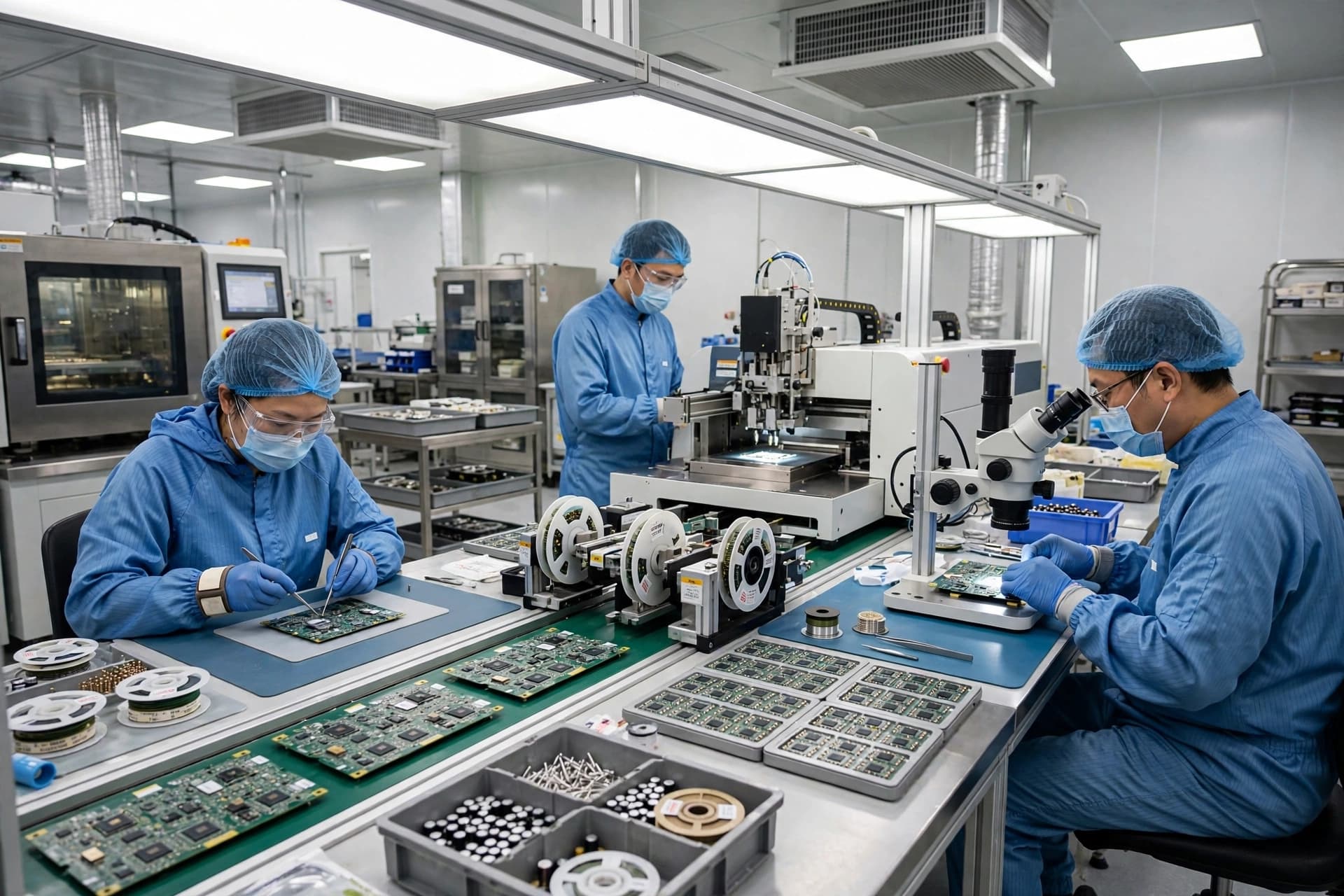
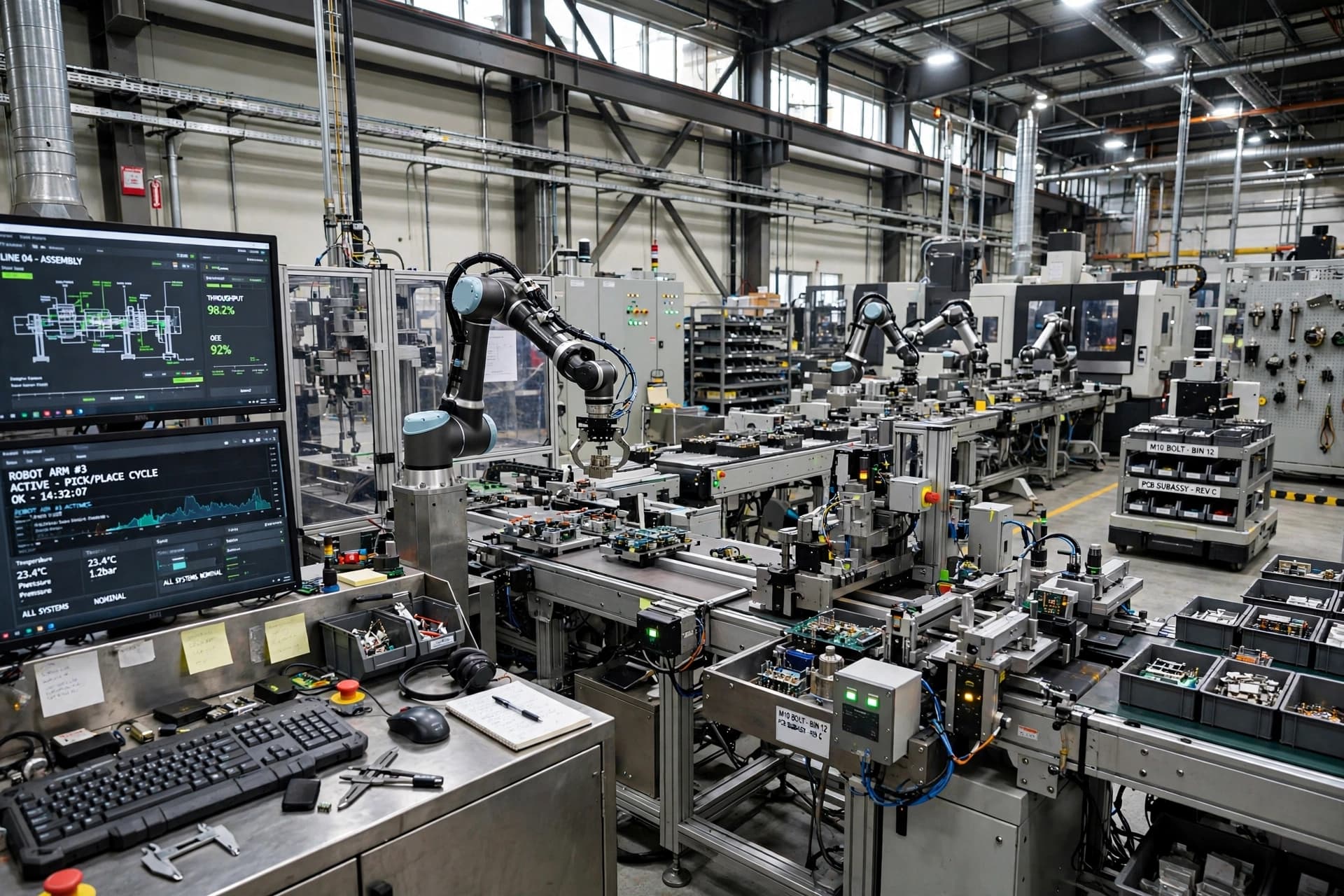
AI Image Disclaimer: The visual elements in this article are AI-generated illustrations depicting aircraft maintenance environments and technical tools, designed to reflect the theme of precision and safety without showing real individuals.
Sources: Australian Transport Safety Bureau (ATSB), ABC News, The Australian, News.com.au
Published by Banx Network. This article is part of the Banx decentralized media programme, powered by the BXE token on the XRP Ledger.