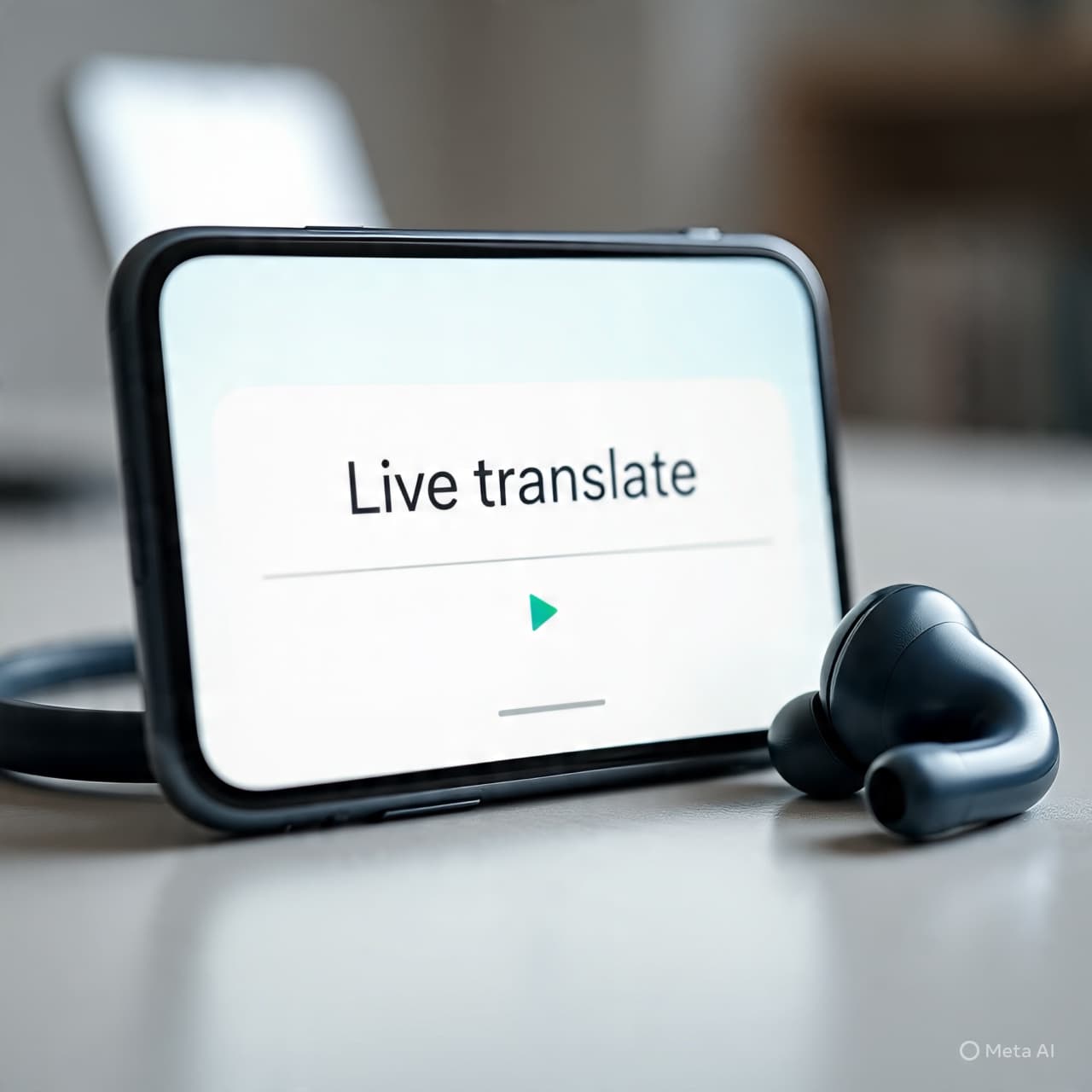
In the quiet spaces between conversation and understanding, language has long been one of humanity’s most profound bridges — and barriers. Now, a new chapter in communication technology is unfolding, as Google takes a step toward making multilingual conversation feel as natural as speaking your first language. With the latest update to the Google Translate app powered by its advanced Gemini AI, nearly any headphones connected to an Android device can become a real-time translation tool, helping listeners bridge language divides on the fly.
This feature, rolling out in beta in the United States, Mexico, and India, lets users hear live translations directly through their headphones without needing specialized hardware. Previously, such real-time translation was limited to select devices like Google’s own Pixel Buds. But with this update, Google has widened access: users simply open the Google Translate app on Android, pair their headphones, choose “Live translate,” and listen as spoken words are translated into their chosen language in real time.
What sets this experience apart is the role of Gemini — Google’s AI model — which strives to preserve the tone, emphasis, and cadence of the original speaker. Instead of flat, literal conversions of words, the AI aims for more natural, context-aware output, reducing awkward translations and embracing linguistic nuance. More than 70 languages are supported, offering broad conversational reach from Spanish and French to Mandarin, Arabic, and beyond.
The ease of this approach could have real-world implications for travelers, students, and global teams alike. Imagine walking through a busy market, listening to a foreign speech, or catching the subtle humor in a foreign-language film — all while your headphones deliver the essence of meaning as it’s spoken.
This headphone translation feature is one-way audio for now, meaning the translation goes from the speaker’s language into the listener’s through the headphones. A broader vision of seamless conversation continues to evolve, but this rollout marks a notable democratization of translation tech — no pricey earbuds or niche gadgets required.
Google also plans to extend this capability to iOS devices and more regions in 2026, expanding the global reach of its AI-powered linguistic tools. As the technology matures, the simple act of listening could become a portal to understanding worlds previously separated by language alone.
AI Image Disclaimer “Images in this article are AI-generated illustrations, meant for concept only.”
Sources (Credible News) The Verge TechCrunch TechSpot WebProNews Business Today Desk
Published by Banx Network. This article is part of the Banx decentralized media programme, powered by the BXE token on the XRP Ledger.