Key Highlights
- Incident:A high-speed train collision near Urda, Spain, resulted in 69 fatalities.
- Victims:The deceased included citizens from multiple countries, highlighting the global impact of the tragedy.
- Investigation:Authorities are investigating the safety protocols and circumstances surrounding the crash.
On a fateful Wednesday, a high-speed train traveling from Madrid to Seville collided with a stationary train near the village of Urda, marking one of the deadliest rail disasters in Europe this century. The crash claimed the lives of 69 individuals, with victims hailing from various countries, including the United States, Canada, and Japan. This tragedy has not only shocked Spain but has also resonated deeply with families across the globe who lost loved ones in an incident that was supposed to be a routine journey.
The collision occurred when the Renfe train struck the rear of an Iryo train that had halted due to a failure in an automatic safety system. Despite the halted train, the control center allowed the Renfe service to continue its journey, leading to the catastrophic impact. In the aftermath, over 200 people were injured, with many still receiving treatment in hospitals days later.
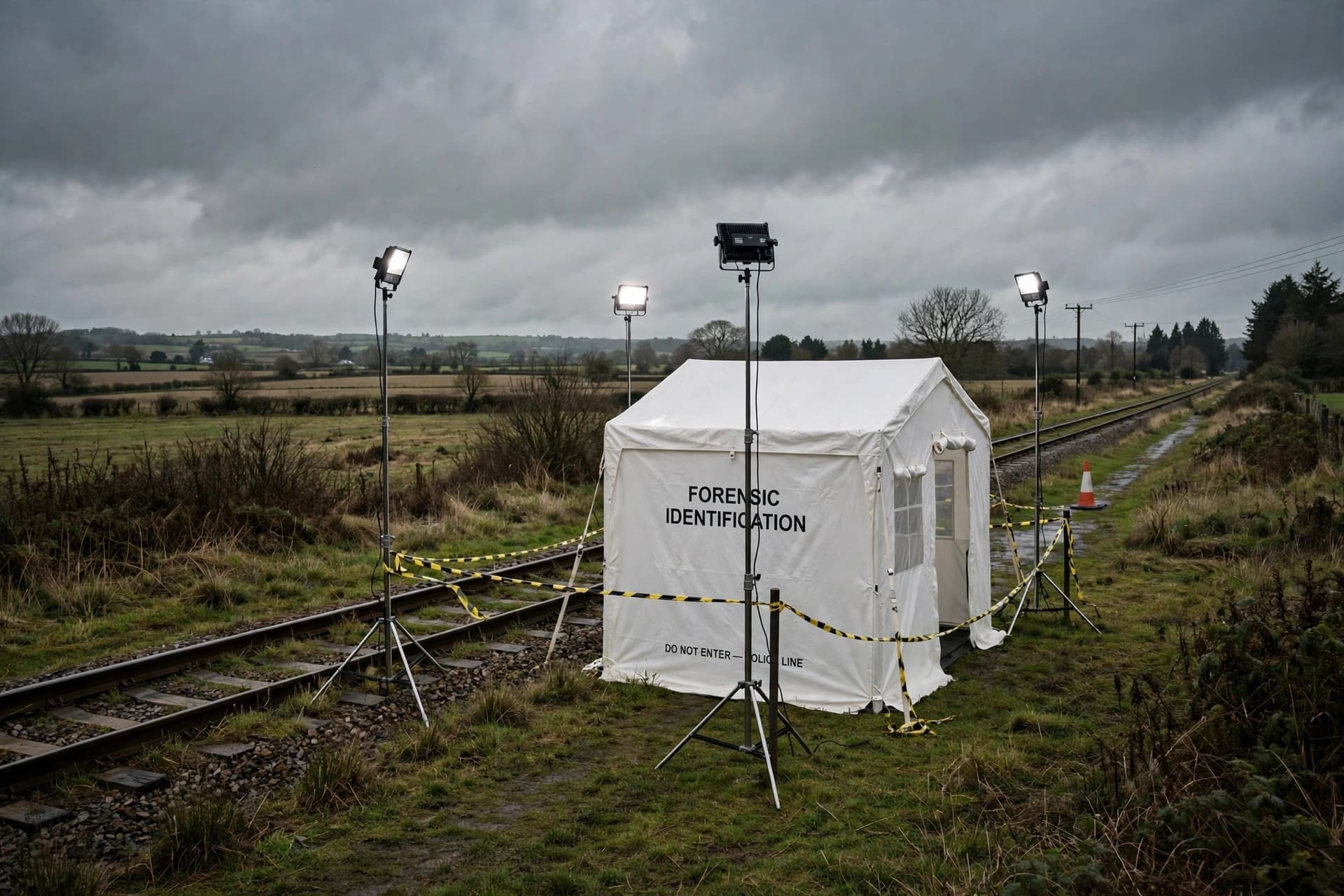
The identification of the victims has been a painstaking process, with forensic teams working tirelessly to confirm identities, sometimes relying on fingerprint analysis and DNA testing. By the following Monday, all 69 victims had been identified, revealing a diverse group that included 54 Spaniards and 15 foreign nationals. The emotional toll on families, particularly those from abroad, has been profound, as they navigated the complexities of international communication and travel during their time of grief.
In response to the disaster, the Spanish government has announced a series of measures aimed at supporting the victims' families. Prime Minister Pedro Sánchez expressed solidarity with those affected, promising that the government would provide assistance throughout the grieving process and any necessary procedures. This incident marks the second high-speed train collision in Spain this year, raising urgent questions about rail safety standards and the effectiveness of existing protocols.
As investigations commence, the infrastructure manager Adif is collecting documentation to understand the circumstances surrounding the crash. Questions linger regarding the failure of the safety system and the decision-making process that allowed the Renfe train to proceed at full speed. While answers may take time, the urgency to restore public confidence in Spain's high-speed rail system is paramount.
The village of Urda now bears the weight of this tragedy, serving as a somber reminder of the lives lost and the families forever changed. As the rail line between Madrid and Seville prepares to reopen, the journey towards understanding and healing has only just begun. The names of the victims, now etched in memory, remind us of the fragility of life and the far-reaching impact of such disasters.
AI Image Disclaimer: The visuals in this article are generated by artificial intelligence and are for illustrative purposes only; they do not depict the actual crash site, the victims, or the specific trains involved.
Published by Banx Network. This article is part of the Banx decentralized media programme, powered by the BXE token on the XRP Ledger.