As the first light of January touches the continent, a subtle but significant shift begins in Europe’s markets. The Carbon Border Adjustment Mechanism, often called the EU’s “green tariff,” has come into force, quietly reshaping how goods cross borders and how carbon footprints are tallied. It is a reminder that even the weight of invisible gases—carbon dioxide—can carry tangible costs, influencing trade, industry, and the rhythm of daily commerce.
For decades, European policymakers have sought ways to ensure that environmental commitments do not end at national boundaries. The CBAM is the latest chapter in this story: importers of high-emission goods such as steel, aluminium, cement, hydrogen, electricity, and fertilizers must now account for the carbon embedded in their products. Either they prove emissions have been paid for elsewhere or purchase EU carbon certificates, translating atmospheric consequences into economic realities. In doing so, the EU aims to prevent “carbon leakage,” a scenario where production simply shifts to regions with laxer climate rules, undermining global emissions reduction.
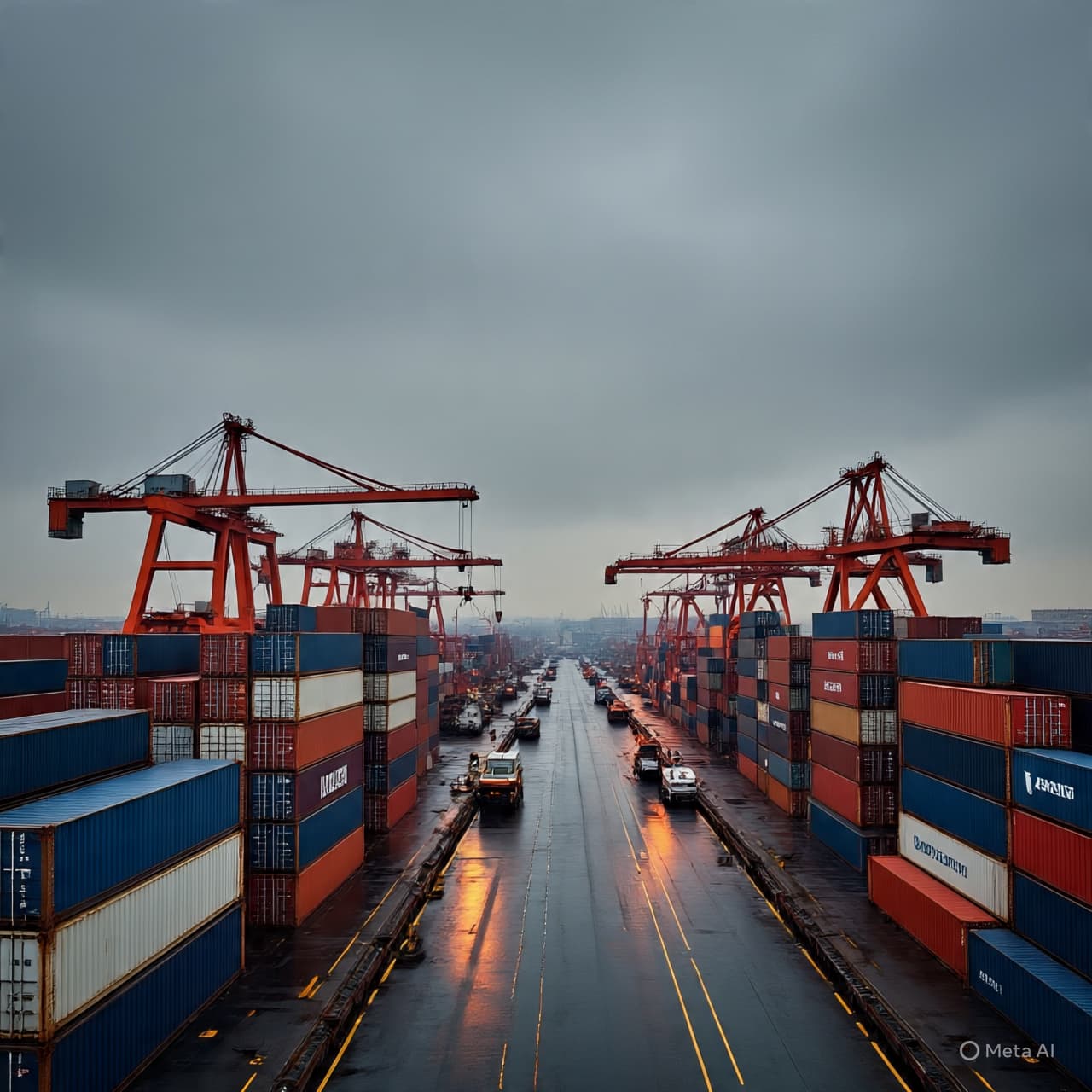
The effect is immediate yet nuanced. Companies across the globe must navigate registration, reporting, and compliance, recalibrating supply chains and pricing strategies. A shipment of steel from Asia to Rotterdam now carries more than metal; it carries the trace of energy consumed in its creation. Some governments and industry representatives have expressed concern over complexity and potential trade friction, while others see an opportunity to align production practices with long-term climate goals. The mechanism is as much a nudge as it is a rule, signaling that sustainability is not a choice but a currency in global trade.
For European businesses, CBAM levels the playing field. Domestic producers already subject to the EU Emissions Trading System no longer face unfair competition from imports produced in regions with weaker carbon oversight. Simultaneously, foreign exporters encounter a market that rewards transparency and accountability, encouraging greener practices and technological innovation. In this sense, CBAM is more than a tariff—it is a framework for fostering a gradual shift in how the world prices environmental responsibility.
Yet beyond the ledger books and compliance reports, the measure carries a philosophical weight. It transforms a diffuse challenge—the carbon footprint of industry—into actionable steps that touch every shipment, every contract, and every corporate decision. The world of trade, often imagined as abstract and impersonal, is here linked to the rhythms of climate and conscience.
The journey ahead is not without uncertainty. Monitoring, verification, and global response will test the EU’s resolve and the cooperation of trading partners. But as the new rules take effect, they illuminate a broader truth: the era of unchecked emissions is waning, and even the humblest shipment must now account for its place in the atmosphere. In the quiet hum of ports and customs offices, a new rhythm is emerging, one where commerce and climate are inseparably entwined.
AI Image Disclaimer Visuals are created with AI tools and are not real photographs.
Sources The Guardian BusinessGreen Euronews Le Monde FFE (Foundation for Climate Protection in Germany)
Published by Banx Network. This article is part of the Banx decentralized media programme, powered by the BXE token on the XRP Ledger.