In the measured rhythm of rails and schedules, modern transport systems promise certainty — departures that follow clocks, arrivals that shape itineraries, and journeys that unfold with quiet predictability. When that rhythm is suddenly broken, the disruption is not confined to twisted metal or halted tracks; it echoes through public trust, infrastructure planning, and the collective sense of safety that underpins mobility.
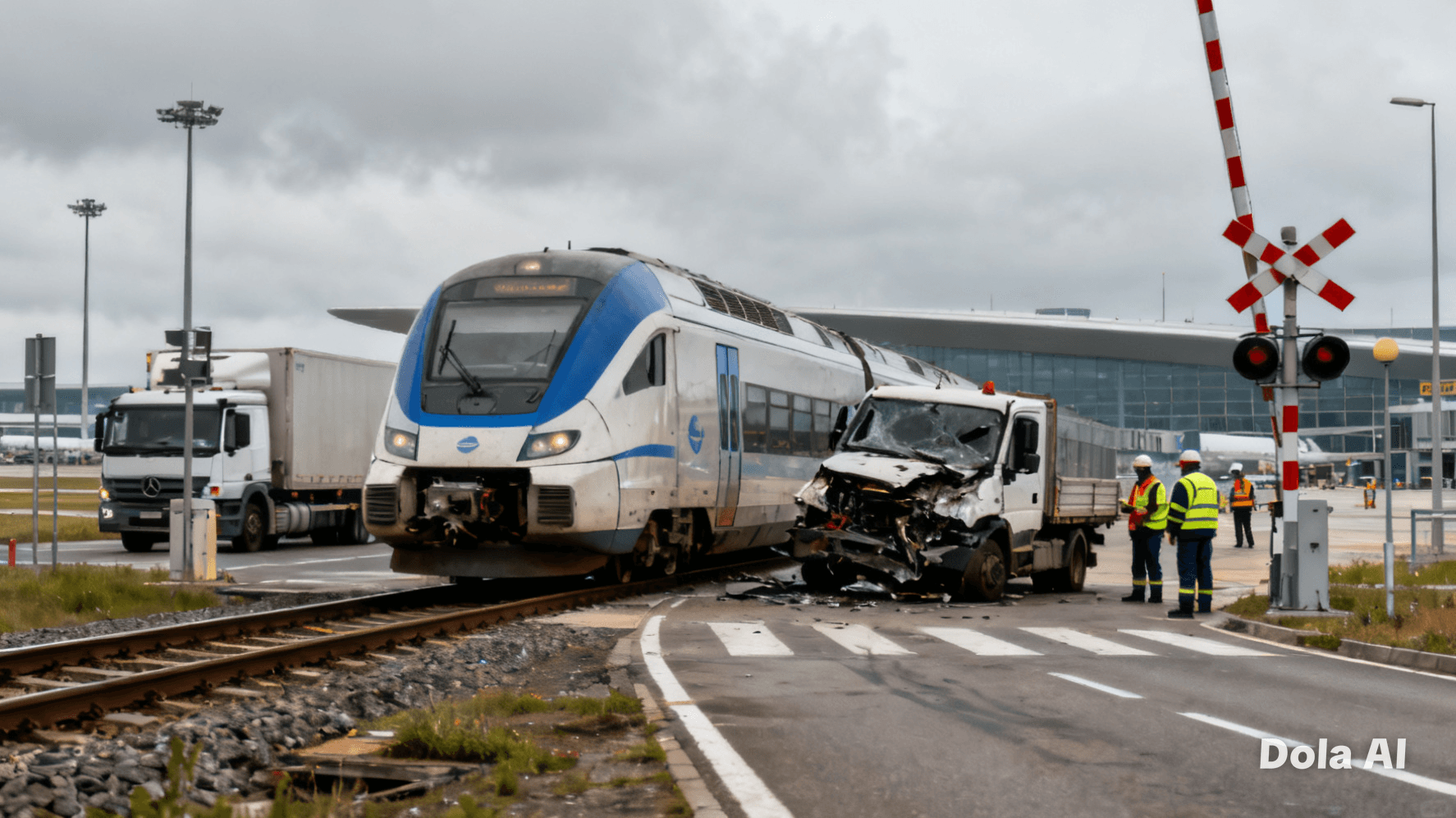
Such a disruption occurred when the airport rail link serving collided with a truck, an incident that briefly halted operations and drew national attention. While the immediate response focused on safety checks, passenger evacuation, and restoring service, the longer-term implications extend beyond the moment of impact.
Here are six longer-term impacts that experts say can follow incidents of this nature:
1. Reinforced Safety Protocols at Rail Crossings Collisions involving trains and road vehicles often prompt comprehensive reviews of level crossings and access points. Authorities may strengthen barriers, improve signaling systems, and increase monitoring to prevent unauthorized crossings.
2. Infrastructure and Operational Audits Rail operators typically conduct technical audits after incidents to evaluate braking systems, track conditions, signaling coordination, and communication protocols. These assessments can lead to upgrades that improve overall system resilience.
3. Passenger Confidence and Ridership Patterns Even when no mass casualties occur, highly publicized accidents can influence traveler perceptions. Restoring confidence may require transparent reporting, safety campaigns, and visible improvements to reassure passengers.
4. Regulatory and Policy Adjustments Transport regulators may introduce stricter compliance requirements for heavy vehicles operating near rail corridors, including revised routing rules, enhanced licensing oversight, or increased penalties for violations.
5. Economic Ripple Effects Airport rail links serve business travelers, airport workers, and tourists. Temporary disruptions can affect punctuality, airport transfers, and logistics scheduling, prompting stakeholders to reassess contingency planning for future incidents.
6. Integration of Smart Safety Technology Modern rail systems increasingly adopt sensors, automated detection systems, and AI-assisted monitoring to identify obstacles on tracks. Incidents can accelerate the adoption of such technologies to enhance early warning capabilities.
In the days following the collision, restoration of service signaled operational recovery. Yet recovery in infrastructure systems is measured not only by trains running again, but by improvements made in response to vulnerability. Each incident becomes a case study — one that informs engineering decisions, safety protocols, and the shared understanding of risk within complex transport networks.
For commuters and travelers, the tracks may appear unchanged. But beneath the steel and ballast lies an evolving system shaped by lessons learned, where safety encourages innovation and disruption becomes a catalyst for resilience.
AI IMAGE DISCLAIMER Graphics are AI-generated and intended for representation, not reality.
SOURCES : Kompas Detik CNN Indonesia Tempo Antara
Published by Banx Network. This article is part of the Banx decentralized media programme, powered by the BXE token on the XRP Ledger.