
Infrastructure is the skeleton of a city, supporting its growth and connecting its people. In Toronto, the construction of the Ontario Line has become a focal point of discussion, not just for its promise of improved transit but for its staggering cost. With estimates reaching 2 billion per kilometer, the project invites reflection on the complexities of urban development and the factors that drive up expenses. It is a story of ambition meeting reality, where every meter of track carries a heavy price tag.
The high cost is attributed to a combination of factors, including dense urban environments, complex geological conditions, and rigorous safety standards. Building underground in a bustling metropolis requires careful navigation around existing utilities, foundations, and subway lines. Precision is costly.
Labor shortages and inflation have also played significant roles. The demand for skilled workers in construction has outpaced supply, driving up wages. Meanwhile, the rising cost of materials such as steel and concrete adds to the financial burden. Economics shapes engineering.
Regulatory requirements and environmental assessments further extend timelines and budgets. Ensuring minimal disruption to communities and ecosystems is essential but expensive. Compliance ensures sustainability. Protection has a price.
Critics argue that better planning and procurement strategies could reduce costs. Comparisons with other global cities suggest that Toronto’s projects are among the most expensive per kilometer. Efficiency is a goal worth pursuing. Benchmarking drives improvement.
Proponents, however, emphasize the long-term benefits of the line, including reduced congestion and increased accessibility. They argue that the initial investment will pay off in economic growth and quality of life. Value is measured in decades. Vision justifies cost.
The Ontario Line in Toronto is estimated to cost 2 billion per kilometer, raising questions about the high expense of transit construction. Factors include urban density, labor costs, and regulatory standards. The hope is for efficient delivery and long-term societal benefits.
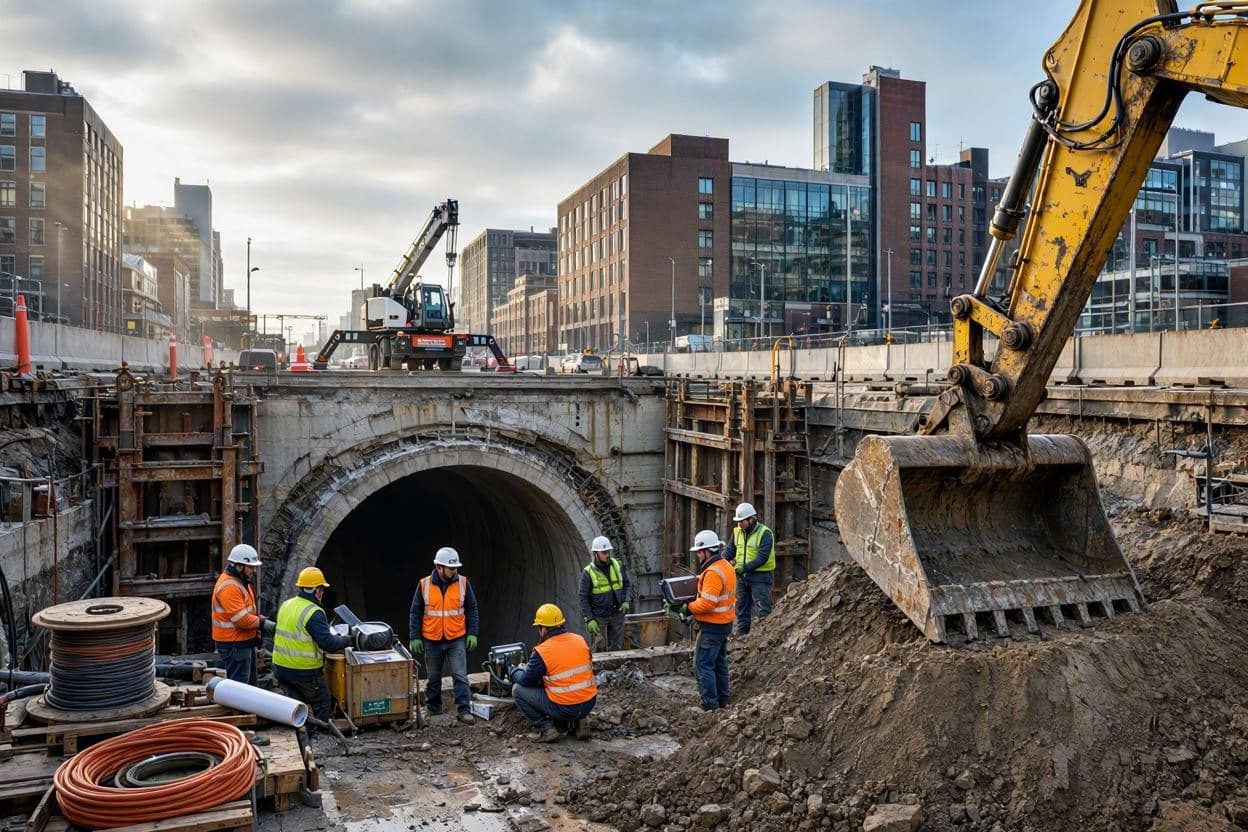
AI Image Disclaimer: The images provided are AI-generated to visually represent the infrastructure and economic aspects of the story.
Sources: The Globe and Mail Toronto Star Metrolinx
Published by Banx Network. This article is part of the Banx decentralized media programme, powered by the BXE token on the XRP Ledger.



