Before the last universal common ancestor, or LUCA, there was a time when life was still finding its footing. In the deep past of Earth, a "sweet spot" emerged where conditions were just right for the precursors of life to thrive. Scientists have recently identified this critical window, shedding light on the transitional phase between non-living chemistry and the first true biological entities. This discovery offers a glimpse into the delicate balance that allowed life to take root on our planet.
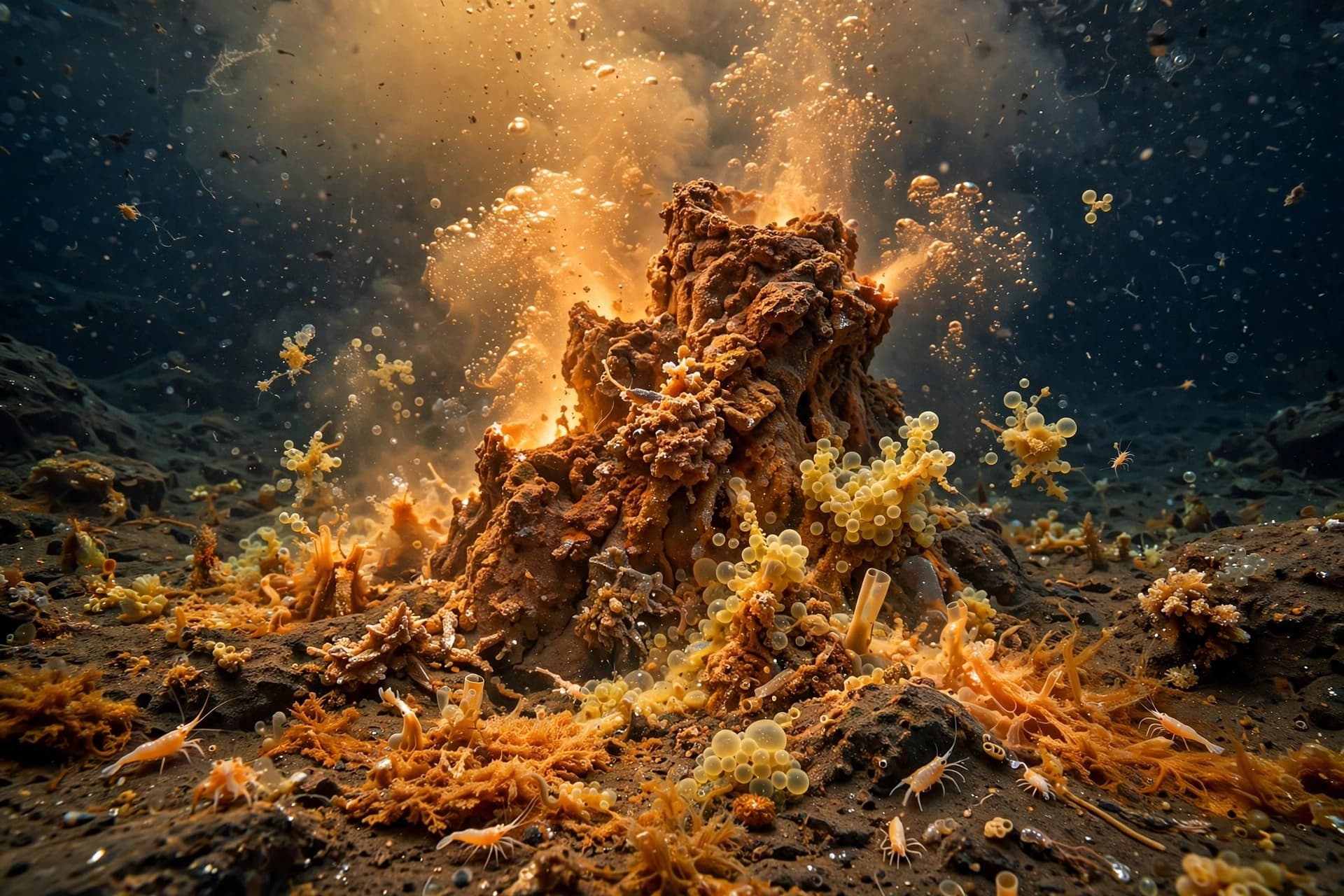
The study focuses on the period before LUCA, when simple organic molecules began to organize into more complex structures. Researchers suggest that specific environmental conditions, such as moderate temperatures and the presence of certain minerals, created an ideal setting for these prebiotic processes. This "sweet spot" may have existed in hydrothermal vents or shallow pools, where energy sources were abundant and stable enough to sustain chemical reactions over long periods.
Understanding this phase is essential for tracing the origins of life. LUCA represents the point from which all current life diverges, but the steps leading up to it remain obscure. By identifying the conditions that favored early molecular evolution, scientists can reconstruct the pathway from abiotic matter to living cells. This knowledge helps fill the gaps in the evolutionary tree, providing a more complete narrative of life’s beginnings.
The research combines geochemical modeling with experimental biology to simulate early Earth environments. By recreating these conditions in the lab, scientists observe how organic molecules behave and interact. These experiments reveal which factors promote stability and complexity, offering clues about the natural selection that occurred at the molecular level. It is a blend of history and experimentation that brings the past to life.
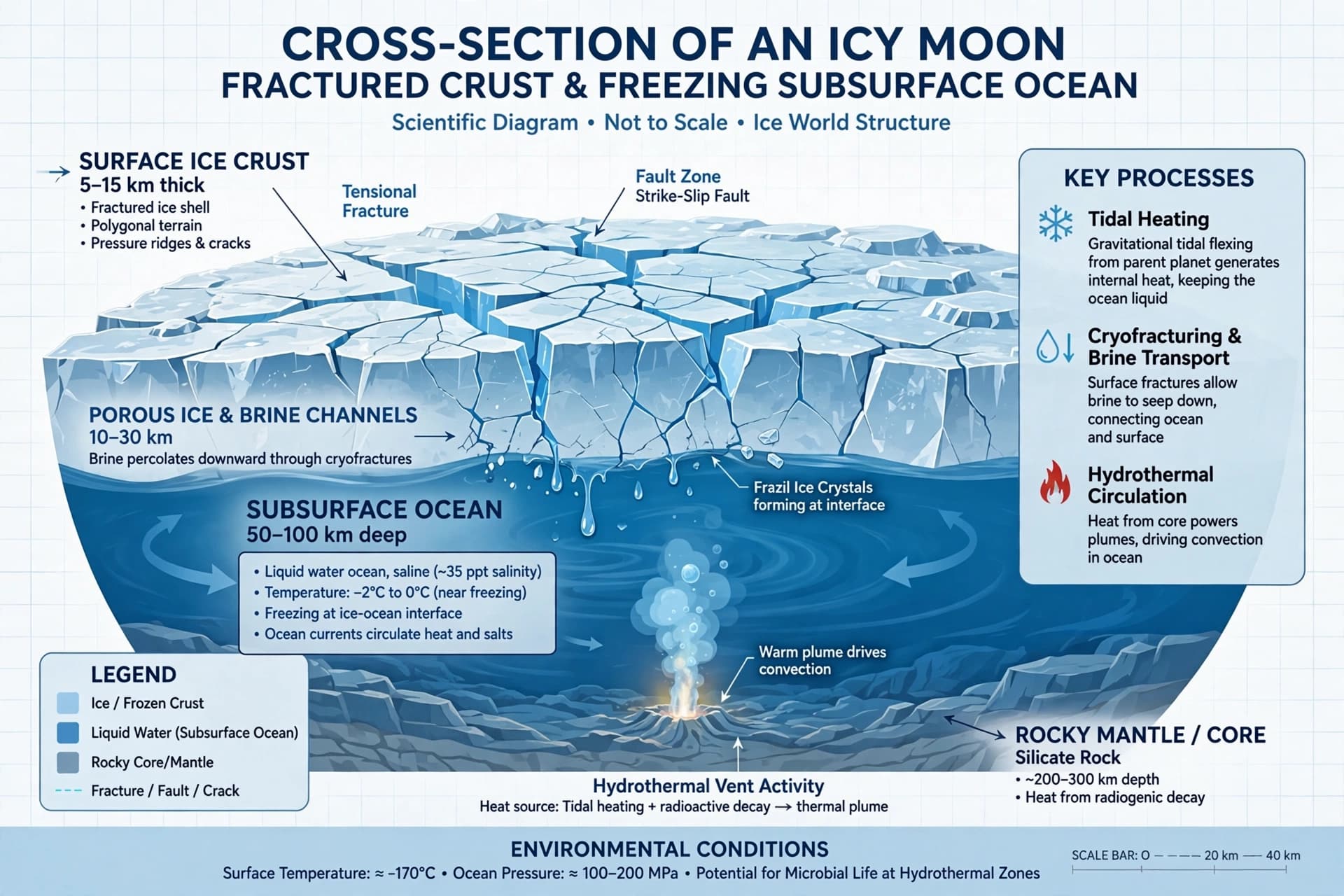
For the broader scientific community, this finding has implications for astrobiology. If Earth had a specific "sweet spot" for the emergence of life, other planets with similar conditions might also harbor prebiotic chemistry. Identifying these parameters helps narrow the search for life elsewhere in the universe, guiding missions to Mars, Europa, and Enceladus. It expands the horizon of possibility for life beyond Earth.
The concept of a "sweet spot" also challenges the notion that life’s origin was a rare accident. Instead, it suggests that given the right conditions, the transition from chemistry to biology may be a natural and predictable process. This perspective encourages a more optimistic view of life’s prevalence in the cosmos, grounded in physical and chemical principles. It is a shift from chance to necessity.
As research continues, scientists aim to refine the details of this early stage. They seek to understand the specific molecules involved and the mechanisms that led to self-replication. Each discovery adds precision to the timeline of life’s origin, transforming speculation into evidence-based science. The journey from non-life to life is becoming clearer, one experiment at a time.
The identification of a "sweet spot" for early life on Earth is a significant advancement in origins-of-life research. It highlights the importance of environmental conditions in the emergence of biology. As we learn more about this critical phase, we gain a deeper appreciation for the resilience and adaptability of life, both on Earth and potentially beyond.
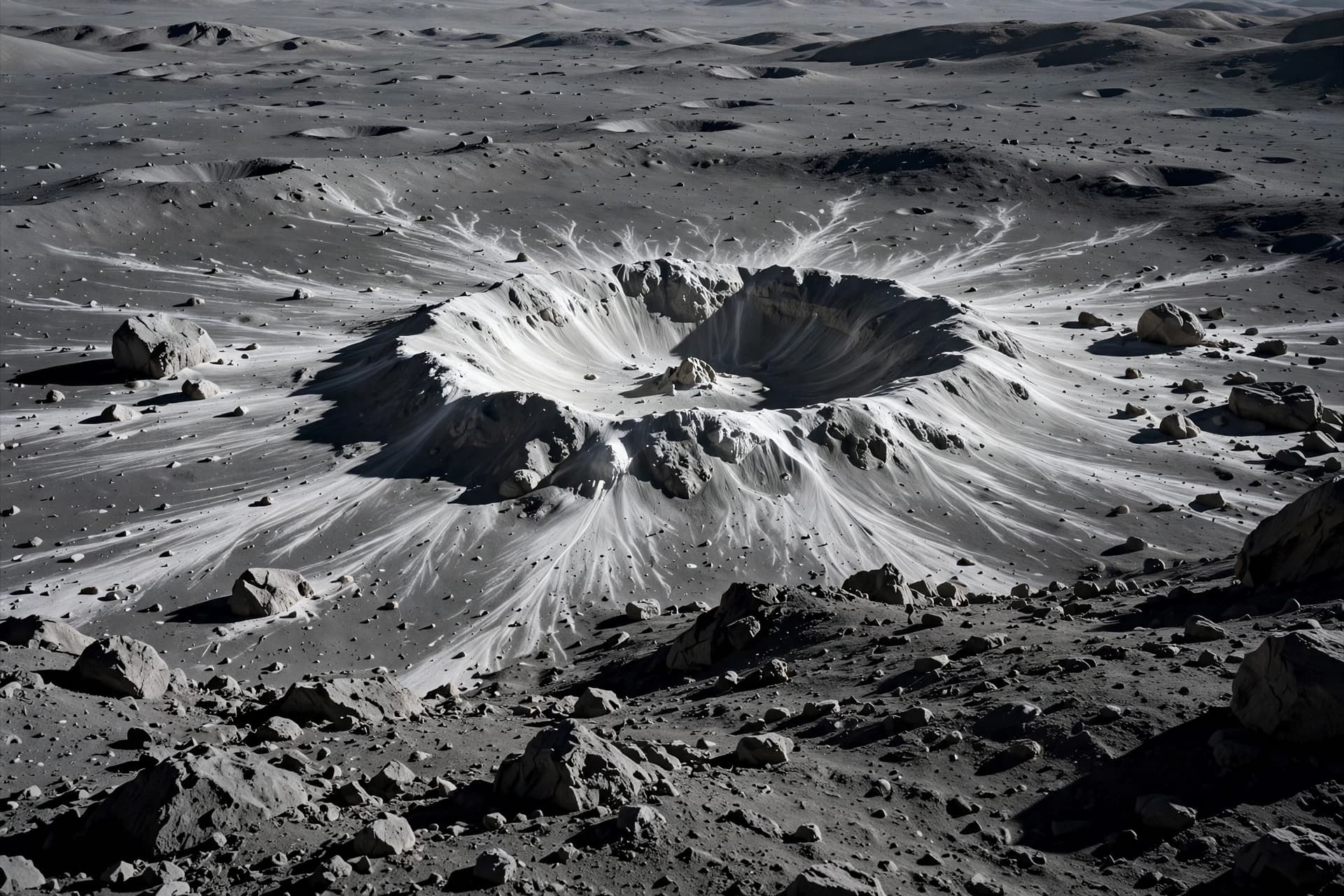
AI Image Disclaimer: The visuals in this article are AI-generated illustrations of prebiotic chemistry and early Earth environments, not actual microscopic images or historical reconstructions.
Sources: Live Science Popular Mechanics Scientific American
Published by Banx Network. This article is part of the Banx decentralized media programme, powered by the BXE token on the XRP Ledger.