Sometimes the journey to a long‑cherished horizon feels like walking through familiar fields at dusk, when the light hints at what lies ahead but does not yet reveal it. For NASA and space enthusiasts around the world, this moment feels much the same. After years of anticipation and preparation, work toward the next chapter of lunar exploration has reached a gentle crescendo. A mission that has lived in plans and simulations now edges toward reality, its target date shimmering like a distant lighthouse in the night — March 6, set for humanity’s next deep‑space voyage.
The mission, known as Artemis II, carries within it echoes of the Apollo era and hopes for future exploration. It represents not just a technical achievement, but a human one: astronauts preparing to venture beyond Earth orbit, to circle the Moon, and return home with insight and experience that will shape missions yet to come.
In recent weeks at NASA’s Kennedy Space Center in Florida, engineers and technicians have rehearsed moment after moment that precede launch day — fueling the rocket with vast quantities of propellant, checking systems, and rehearsing countdowns as though time itself were part of the crew. These “wet dress rehearsals,” as they are called, are the dress rehearsals of a cosmic play. When they go smoothly, confidence grows. When they do not, teams learn and adapt, honoring both the promise and precision that spaceflight demands.
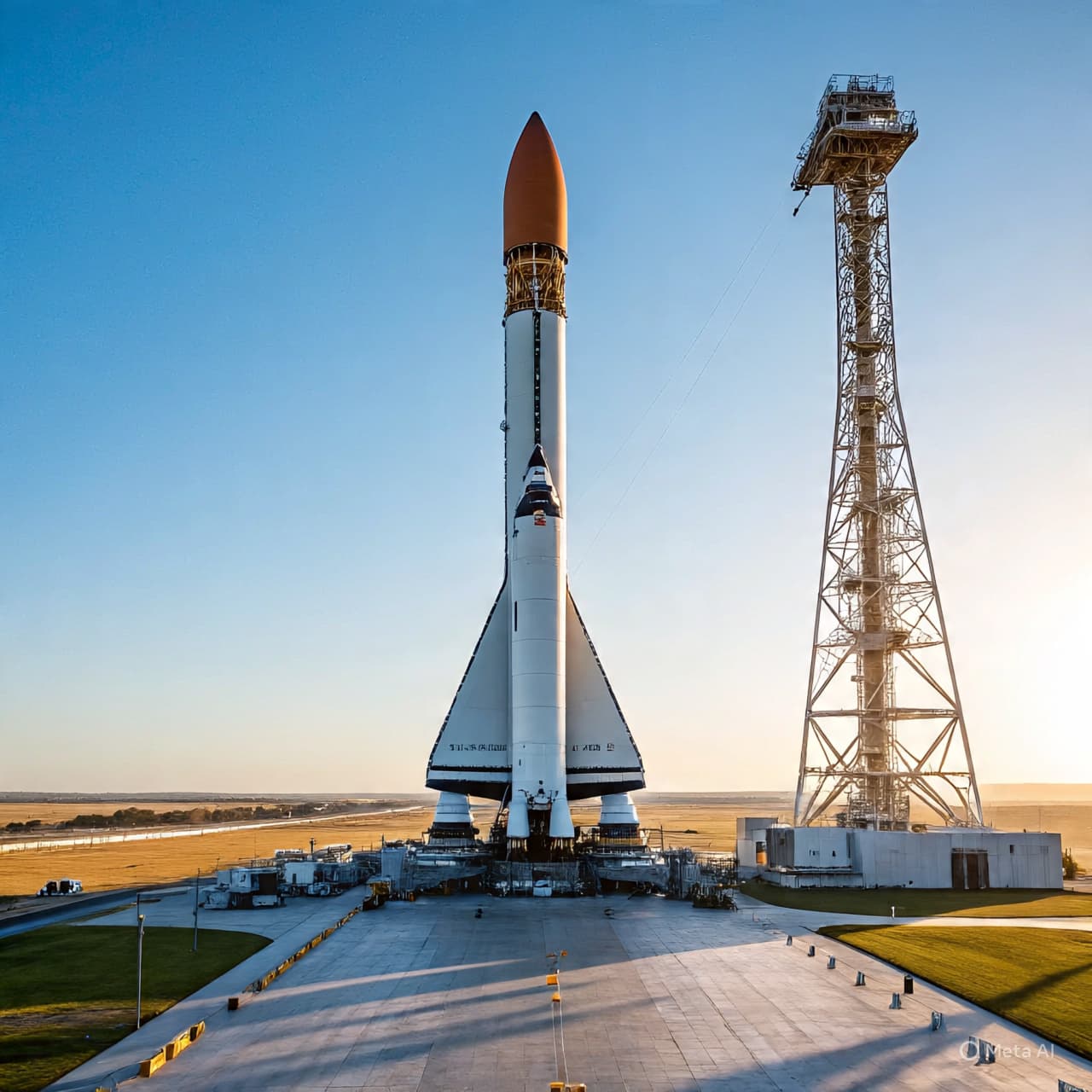
The Space Launch System (SLS) rocket, tall and poised on Launch Pad 39B, underwent a second major practice rehearsal that saw engineers fill its tanks with super‑cold liquid hydrogen and oxygen and run most of the countdown sequence without actually lifting off. When earlier tests uncovered minor propellant leaks, teams stepped back to refine seals and systems — a testament to the care that precedes any leap into the unknown.
Because of these careful preparations, NASA announced that the agency is now targeting March 6 as the earliest possible liftoff date for the mission that will take four astronauts on a 10‑day journey that carries them around the Moon and back. This mission will be the first crewed lunar voyage in more than 50 years, placing humans again where Earth’s curve softens into the blackness of space.
In Houston, the Artemis II crew — Commander Reid Wiseman, Pilot Victor Glover, Mission Specialist Christina Koch, and Canadian Space Agency astronaut Jeremy Hansen — have entered a standard pre‑flight quarantine to protect their health ahead of the planned launch window. Such procedures, while routine, reflect the quiet seriousness of human spaceflight, where every precaution is taken to keep crews safe.
Yet the path to this moment has not been without its whispers of uncertainty. Mission managers acknowledge that several remaining tasks — including a detailed Flight Readiness Review and further checks at the launch pad — must be completed before NASA can formally commit to a liftoff on March 6. Should any unresolved issues linger, alternative launch dates in March remain possible, and a later window in April also stands ready should further adjustments be necessary.
Reflecting on this careful choreography of tests, preparations, and protective measures, one is reminded that spaceflight is as much about patience as it is about power. Engineers and astronauts alike adjust to new information, work through challenges, and align their efforts with a collective goal that transcends any single day’s schedule.
For now, NASA’s Artemis II mission remains on course for a targeted March 6, 2026 launch, pending final assessments and readiness checks. If successful, the mission will send four crew members around the Moon on a trajectory that tests spacecraft systems and deep‑space operations critical to future lunar landings. Officials emphasize that ongoing evaluations and engineering work continue as the launch date approaches, and that further updates on readiness will be provided as they become available.
AI Image Disclaimer “Images in this article are AI‑generated illustrations, meant for concept only.”
Source Check Credible sources exist on this topic:
Sources identified:
Associated Press — detailed reporting on NASA’s target launch date and test results. Reuters — coverage of the targeted March 6 launch and successful fueling rehearsal. CBS News — reporting on the launch preparations and crew quarantine. The Guardian — context on the mission’s history and risks. NASA official blog — crew quarantine and mission readiness details.
Published by Banx Network. This article is part of the Banx decentralized media programme, powered by the BXE token on the XRP Ledger.