Summer in Europe is often celebrated for its warmth and long days, but this year, the heat has become an unrelenting presence. As August progresses, the United Kingdom and France are bracing for yet another intense heat wave, with temperatures expected to soar well above seasonal averages. This recurring pattern of extreme heat invites reflection on the changing climate and its impact on daily life. It is a moment that urges us to consider how we adapt to a warmer world while protecting the vulnerable. The sun, once a friend, now demands respect and caution.
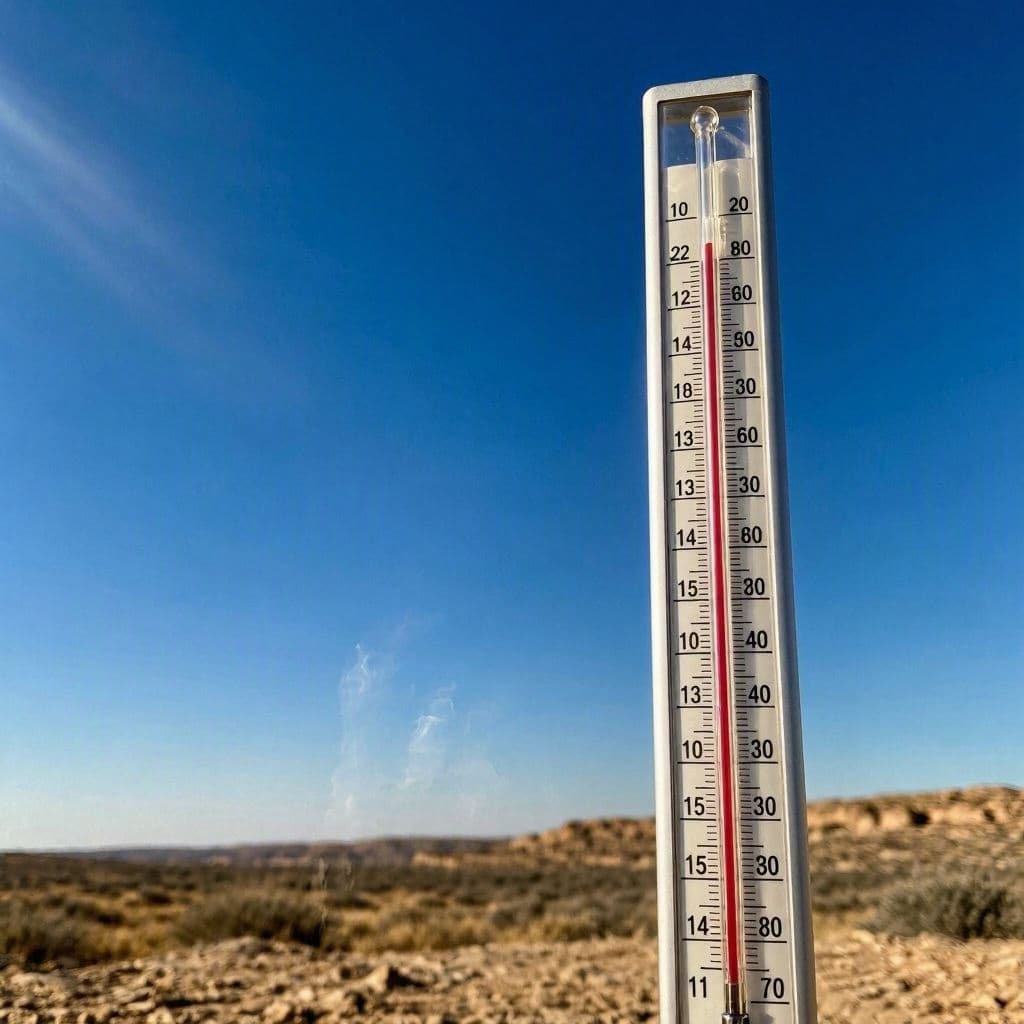
Meteorologists predict that temperatures could reach the high 30s Celsius in parts of the UK and approach 40°C in southeastern France. These levels of heat pose significant health risks, particularly for the elderly and those with pre-existing conditions. Health authorities have issued warnings, advising people to stay hydrated, avoid direct sunlight during peak hours, and check on neighbors. The message is clear: heat is not just an inconvenience but a serious hazard.
For many residents, the continuous heat is exhausting. Sleepless nights and sweltering days affect productivity and well-being. Air conditioning, while a relief, is not accessible to everyone, highlighting issues of equity and infrastructure. Public cooling centers have opened in some cities, offering respite for those without adequate home cooling. These initiatives are vital for ensuring that no one is left behind in the struggle against the heat.
The agricultural sector is also feeling the pressure. Crops require more water, and soil moisture levels are dropping rapidly. Farmers are irrigating heavily, straining water resources that are already under stress. There are concerns about yield reductions and the long-term sustainability of current farming practices. This situation underscores the need for innovative solutions and climate-resilient agriculture.
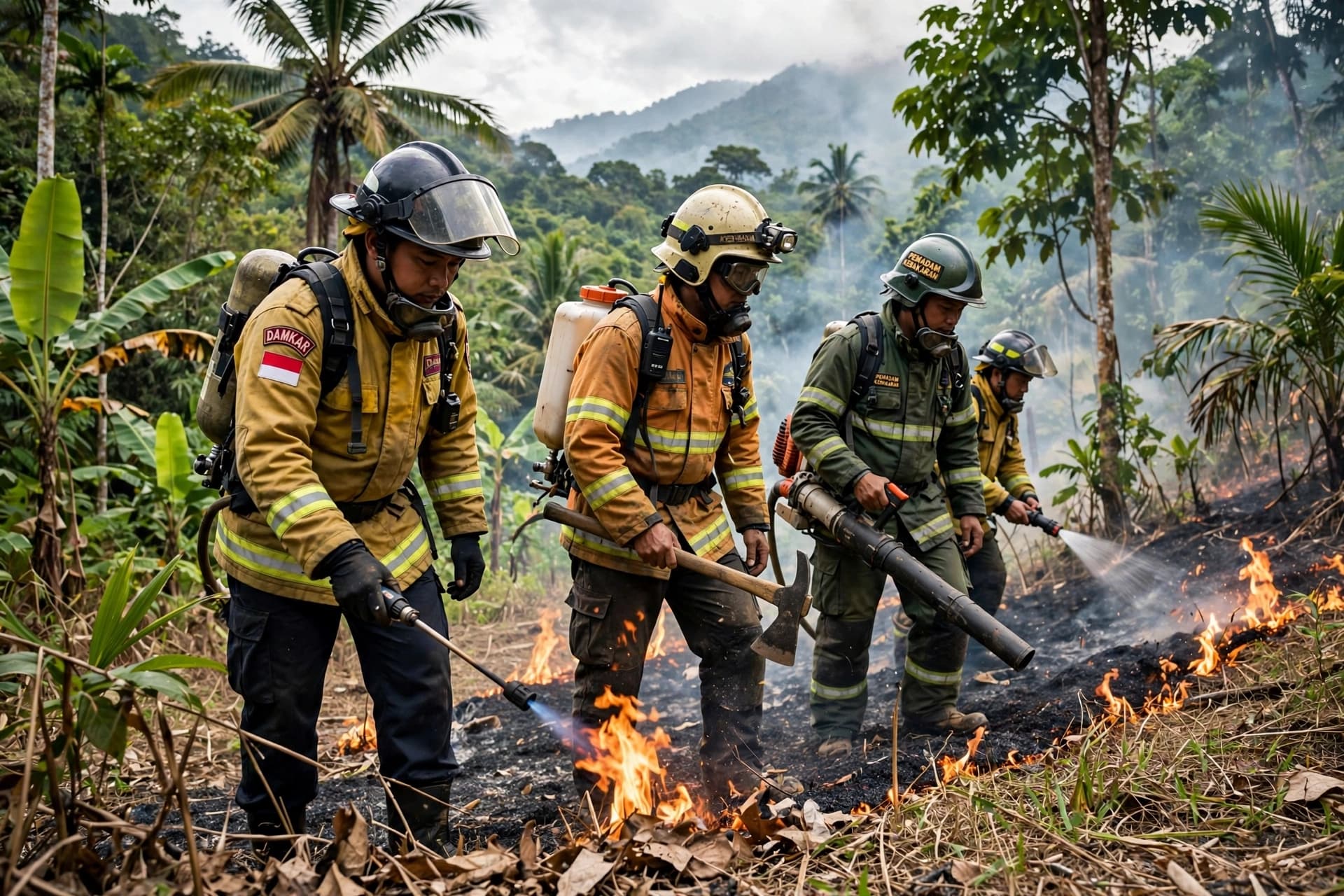
Wildfires remain a threat, particularly in southern Europe where dry vegetation provides ample fuel. Firefighters are on high alert, ready to respond to any outbreaks. Prevention measures, such as bans on outdoor burning and strict monitoring of forest areas, are in place. The community’s role in reporting suspicious smoke or fire is crucial for early detection and containment.
As the heat wave persists, conversations about climate change become more urgent. Scientists point to the increasing frequency and intensity of such events as evidence of global warming. Policy makers are under pressure to implement stronger mitigation and adaptation strategies. The current crisis serves as a catalyst for action, reminding us that the time to address climate change is now.
The UK and France are preparing for another intense heat wave, with temperatures expected to reach dangerous levels. As authorities issue warnings and open cooling centers, the focus remains on public health and safety. The hope is for cooler weather soon and long-term strategies to cope with a warming climate.
AI Image Disclaimer: Visuals associated with this article are AI-generated to illustrate the themes of extreme weather and public health.
Sources: AP News The New York Times The Guardian
Published by Banx Network. This article is part of the Banx decentralized media programme, powered by the BXE token on the XRP Ledger.