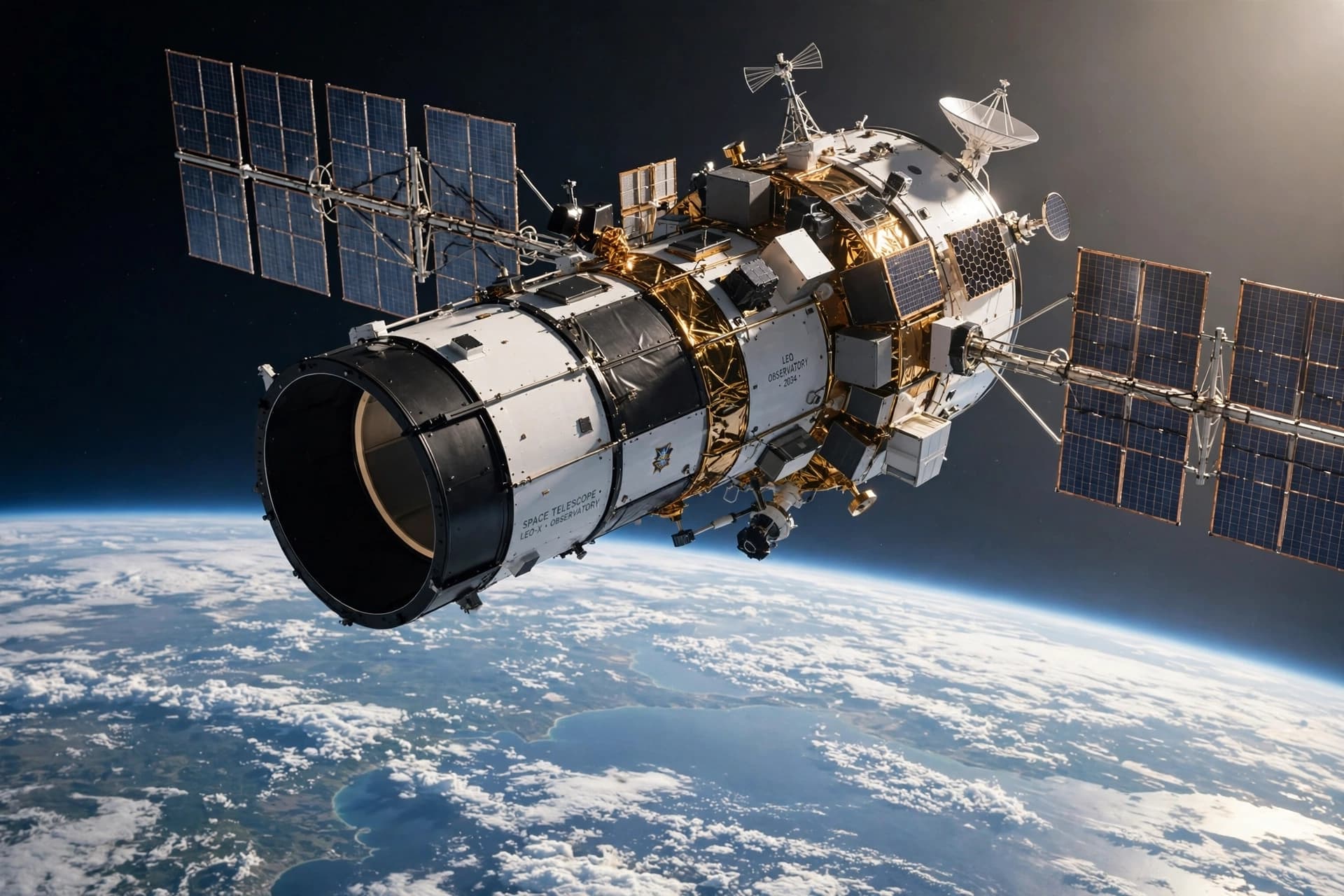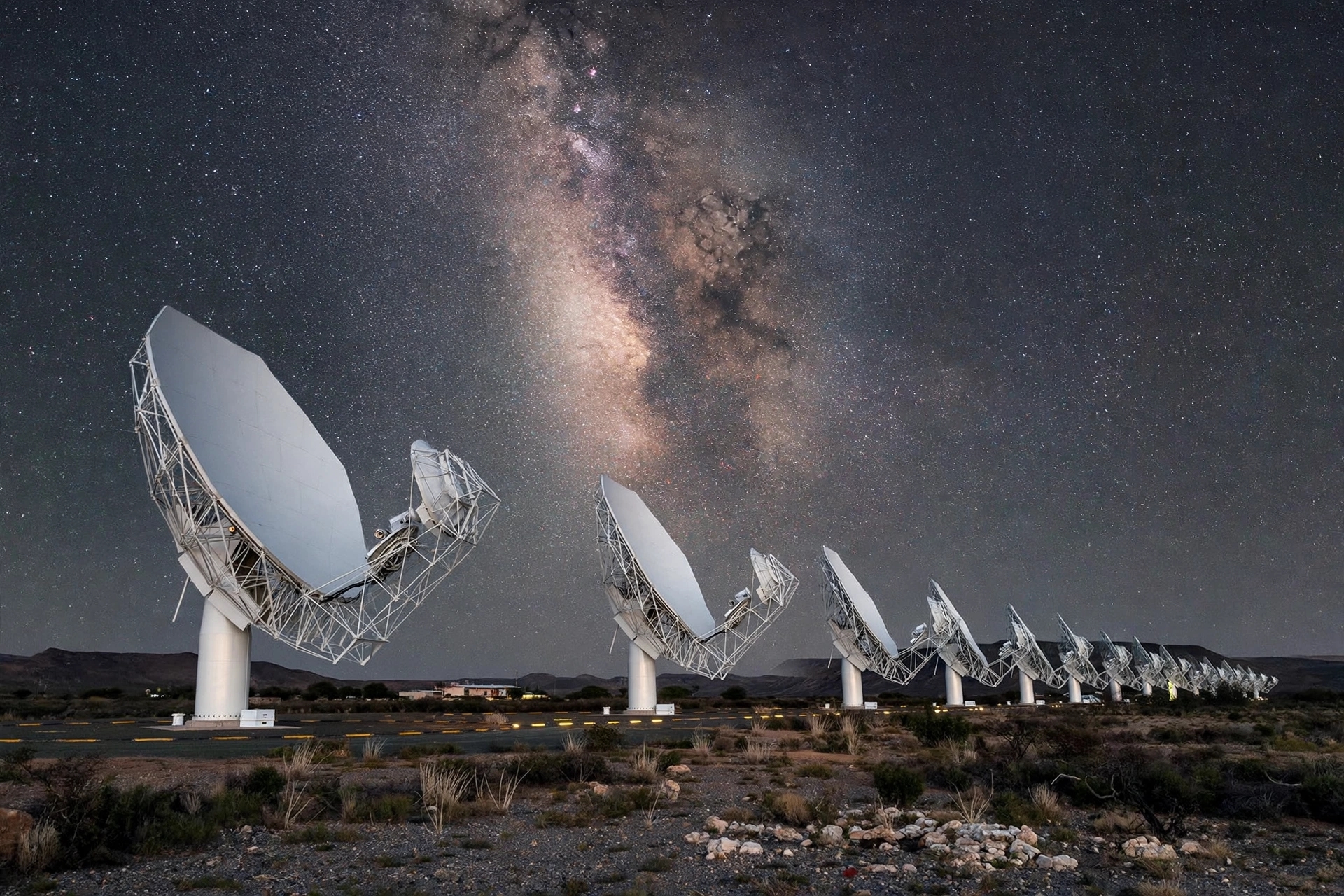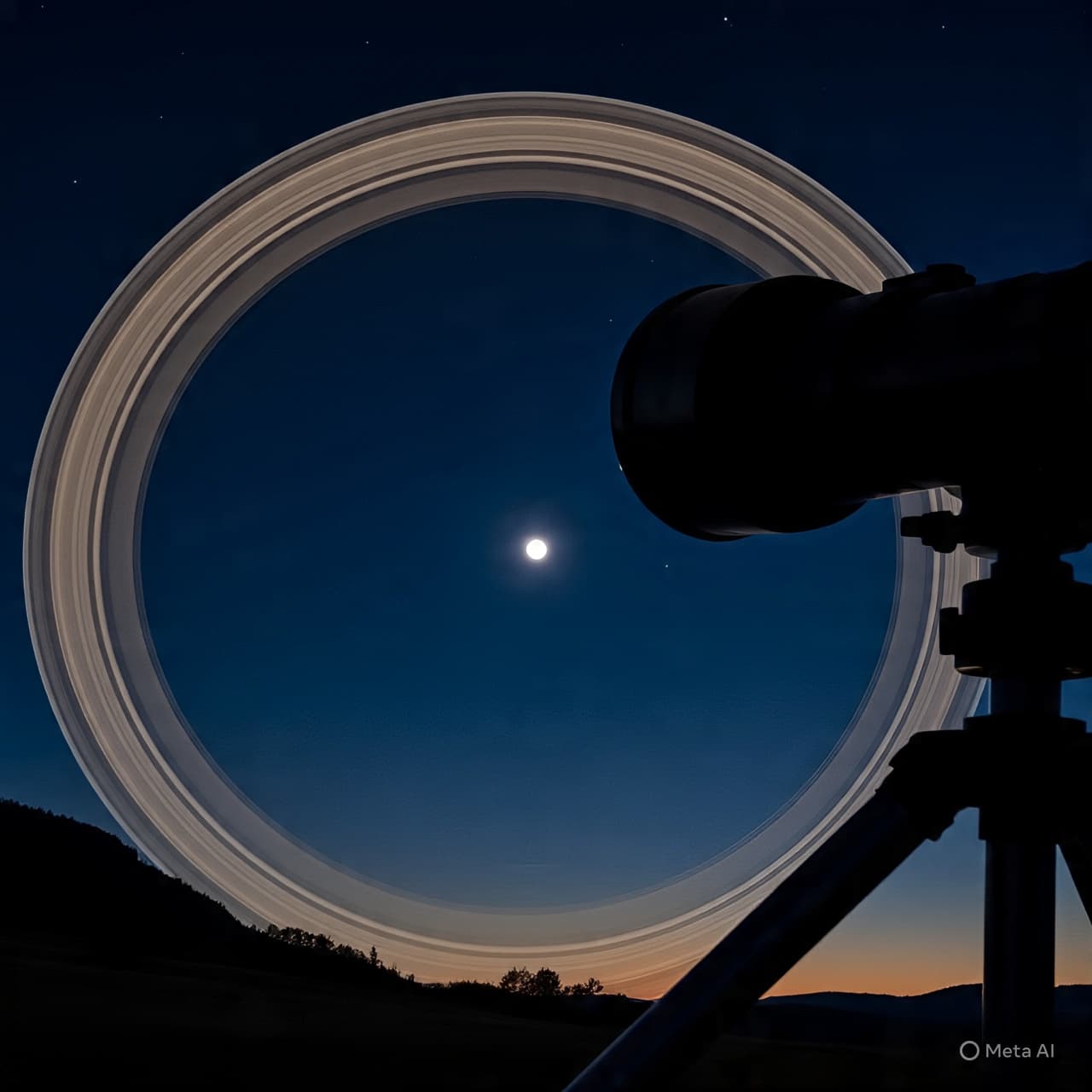
As daylight loosens its grip and the sky turns a quieter shade of blue, Saturday evening carries a small invitation written in light. Above the western horizon, Saturn emerges with its familiar poise, a planet long associated with patience and time. Nearby, almost shy in comparison, its moon Titan takes its place. Together they form a gentle pairing, one that does not demand attention but rewards those willing to look twice, reminding us that the sky often speaks in subtleties rather than spectacles.
Saturn’s steady glow makes it one of the easier planets to recognize as twilight fades. Even without optical aid, its presence is clear, a calm point of light that feels anchored rather than fleeting. For observers who bring binoculars or a small telescope, the scene deepens. Titan, Saturn’s largest moon, appears close by, positioned just off the planet, its faint light offering a quiet contrast to the brilliance of its host.
Through a telescope, Saturn’s rings reveal themselves as a delicate structure encircling the planet, transforming a simple point of light into a layered world. Titan’s position relative to Saturn subtly shifts over time, a reminder that this still image is in fact a living system in motion. On nights of steady air and patience, other moons may also appear, tiny sparks scattered around the ringed giant, each following its own ancient path.
There is a reflective quality to this view. Titan is not merely a moon but a world with its own atmosphere and mysteries, orbiting a planet that has fascinated observers since the earliest days of astronomy. Watching them together encourages a slower kind of attention, one that values quiet alignment over dramatic events, and presence over urgency.
As the evening advances and Saturn gradually lowers toward the horizon, the pairing with Titan becomes a memory rather than a view. Still, the night offers this simple fact: on January 17, the sky provides a calm encounter between a planet and its moon, visible to anyone willing to pause, look up, and let the moment unfold without haste.
AI IMAGE DISCLAIMER (Rotated wording) Visuals are created with AI tools and are not real photographs.
SOURCES Astronomy.com Sky & Telescope / Space.com Sky at Night Magazine Space.com EarthSky Community Photos.
Published by Banx Network. This article is part of the Banx decentralized media programme, powered by the BXE token on the XRP Ledger.