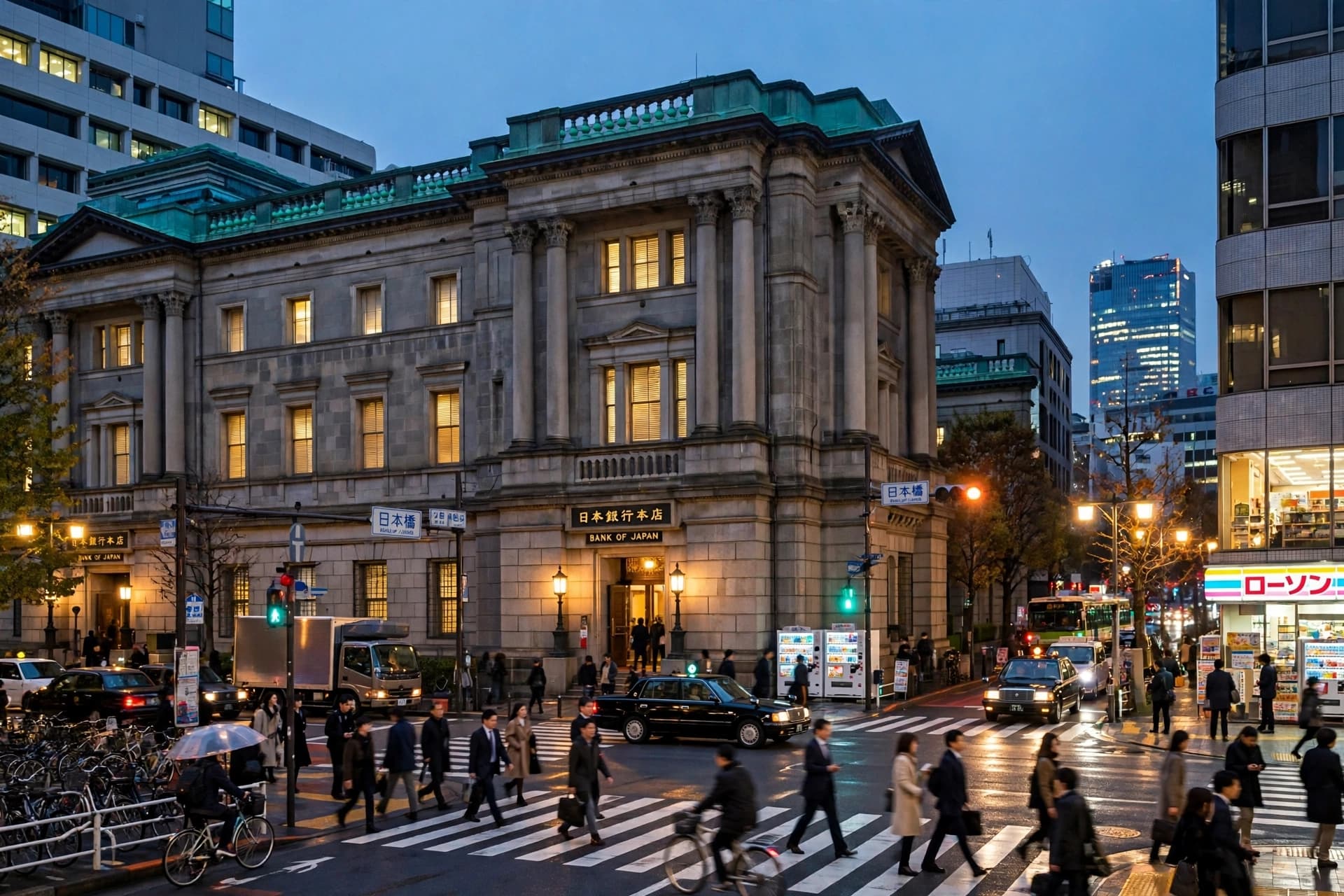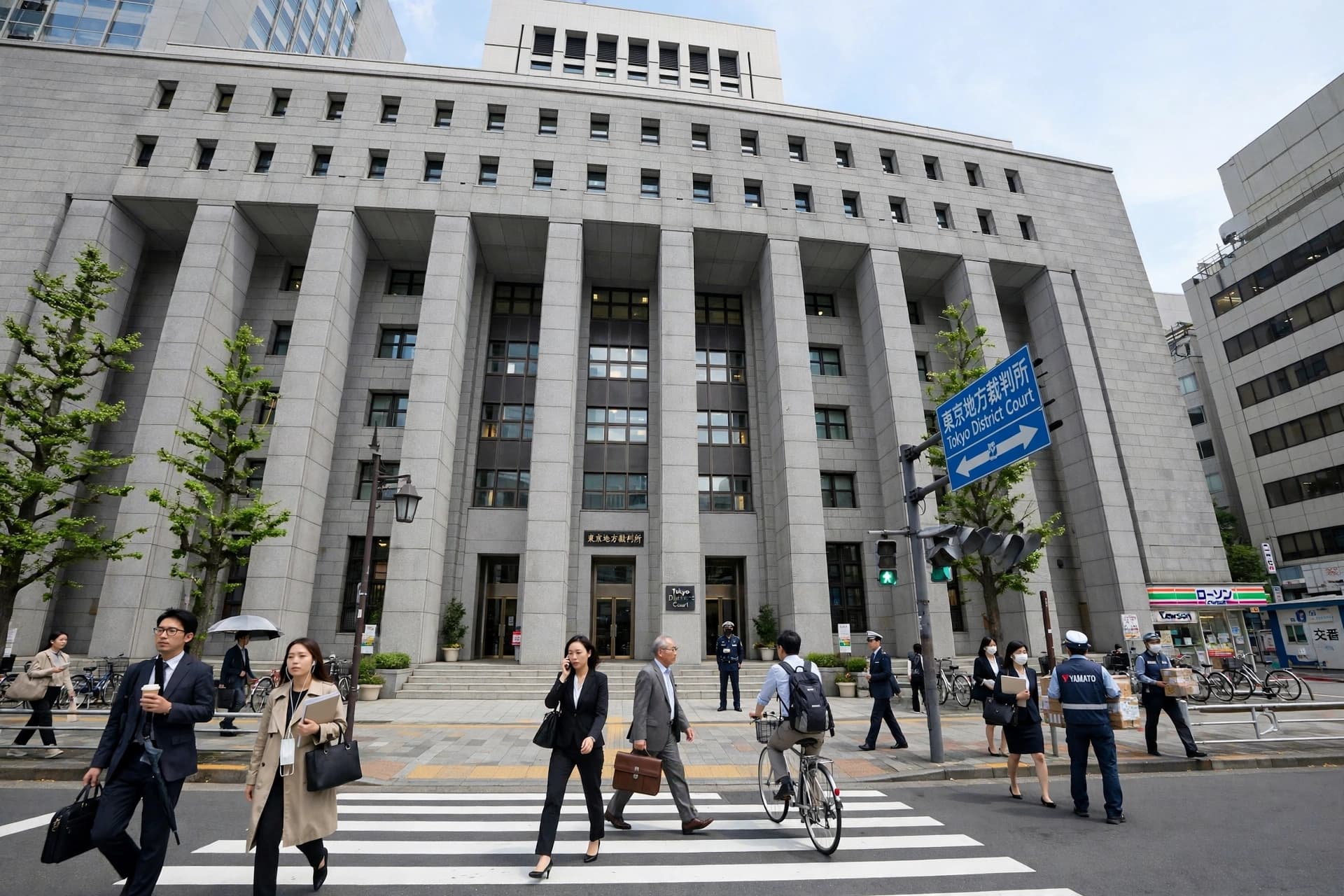
In Tokyo, questions about ownership and corporate control moved from the trading floor into a courtroom on September 18. The dispute centered on Toho Holdings and a shareholder seeking to increase its stake in the pharmaceutical wholesaler.
The Tokyo District Court granted an injunction requested by Singapore-based 3D Investment Partners, preventing Toho from issuing warrants that would dilute the shareholder’s position if its stake rose above 24%. Reuters described the case as a closely watched test of takeover defenses in Japan.
The mechanism at the center of the dispute is commonly known as a “poison pill.” In this case, the proposed warrants could have increased the number of shares available and reduced the ownership percentage of a targeted shareholder if certain conditions were met.
3D Investment Partners, already Toho’s largest shareholder, has sought to increase its stake to 27%. Toho has argued that such a holding could give the investor significant influence over management and potentially affect the company’s strategic direction.
The court’s intervention comes as Japanese companies have increasingly faced pressure from shareholders seeking changes in strategy, governance and the use of corporate capital. That broader shift has made the balance between management authority and shareholder influence an increasingly visible issue in Japanese markets.
Toho’s defense had received 54.7% support from shareholders at its annual general meeting in June, enough to clear the threshold required for activation. Even with that approval, the court granted the injunction sought by 3D Investment Partners.
Toho has said it plans to file a petition objecting to the injunction, according to a filing with the Tokyo Stock Exchange. Reuters said it could not immediately obtain comment from 3D Investment Partners following the decision.
The case is therefore not simply about one pharmaceutical wholesaler. It also provides a window into how Japanese corporations and investors are navigating a market where shareholder activism has become more prominent and traditional defensive measures are receiving greater scrutiny.
For companies, takeover defenses can be part of efforts to preserve strategic independence. For investors, increased ownership can be a way to seek greater influence over corporate decisions. The court ruling places those competing interests within a legal framework that will now continue to develop.
As the dispute moves forward, Tokyo’s financial community will be watching not only what happens to Toho Holdings, but also how the decision affects the use of similar defenses elsewhere. One courtroom decision has placed a much larger corporate question under the light.
IMAGE DISCLAIMER
Visuals are AI-generated and serve as conceptual representations of the reported corporate and legal developments.
SOURCES
Reuters Tokyo District Court MarketScreener WTVB
Published by Banx Network. This article is part of the Banx decentralized media programme, powered by the BXE token on the XRP Ledger.