Beneath every field and forest floor lies a hidden economy, one that operates without currency or contracts but sustains nearly all life on land. Plants produce sugars through photosynthesis and send a significant portion of that energy down into the soil, where bacteria and fungi wait. In return, these microbes break down organic matter, unlock nutrients that would otherwise remain inaccessible, and deliver them to plant roots in forms that can be absorbed. It is one of the oldest partnerships on Earth, and for farmers and ecologists alike, understanding how it works—and how to measure it—has been a persistent challenge.
A new study from Sultan Qaboos University, reported in ScienceDaily, describes a streamlined method for measuring a specific form of phosphorus in soil: the phosphorus bound within microbial DNA. This measurement matters because phosphorus is an essential nutrient for plants, and much of it exists in soil in forms that plants cannot directly use. Microbes can transform that unavailable phosphorus into bioavailable forms, and when they die, their DNA-bound phosphorus becomes part of the soil's nutrient pool .
The researchers simplified the existing method for measuring DNA-bound phosphorus, making it cheaper and easier to perform while preserving its accuracy. The technique could help scientists and land managers understand how efficiently soil microbes are recycling phosphorus and, by extension, how much synthetic fertilizer might actually be needed .
The implications extend beyond laboratory curiosity. Agriculture currently depends heavily on mined phosphate rock, a finite resource that is unevenly distributed around the world. If soil microbes can be encouraged to recycle phosphorus more effectively, farmers may be able to reduce their reliance on external inputs. The new test offers a way to track whether such microbial recycling is happening, and to what degree .
The relationship between plants and soil microbes is complex and dynamic. In a separate study from Lawrence Berkeley National Laboratory, researchers found that a curated community of rhizosphere microbes could help plants recover from drought stress. The microbes did not prevent the plants from suffering during the drought itself; they helped the plants rebound afterward. Different microbial species responded differently to stress conditions, and the plants appeared to send signals attracting helpful microbes to growing root tips .
For growers, this research suggests a shift in perspective. The goal may not be to feed plants directly but to support the microbial communities that feed them. Minimizing soil disturbance, keeping living roots in the ground, and maintaining diverse plantings are among the practices that regenerative agriculture advocates have long promoted for exactly this reason .
The new soil test, by making DNA-bound phosphorus easier to measure, offers a practical tool for this broader effort. It allows researchers and farmers to ask a more precise question: not just how much phosphorus is in the soil, but how much of it is cycling through the microbial community. That distinction may matter more than a simple nutrient measurement ever could.
A new soil test from Sultan Qaboos University makes it easier and cheaper to measure DNA-bound phosphorus, revealing how soil microbes recycle this essential nutrient. The technique could support more sustainable fertilizer management and reduce reliance on mined phosphate.
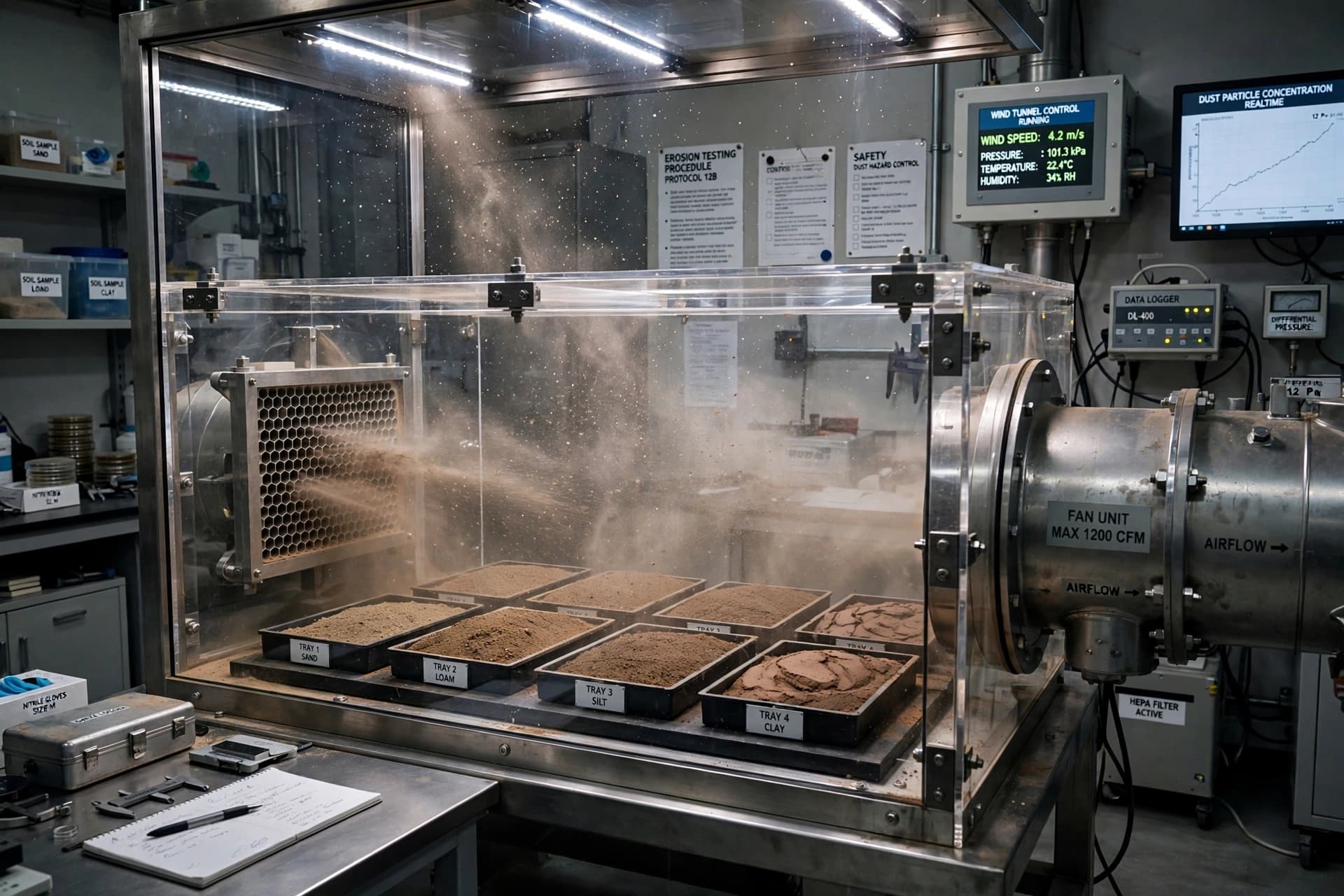
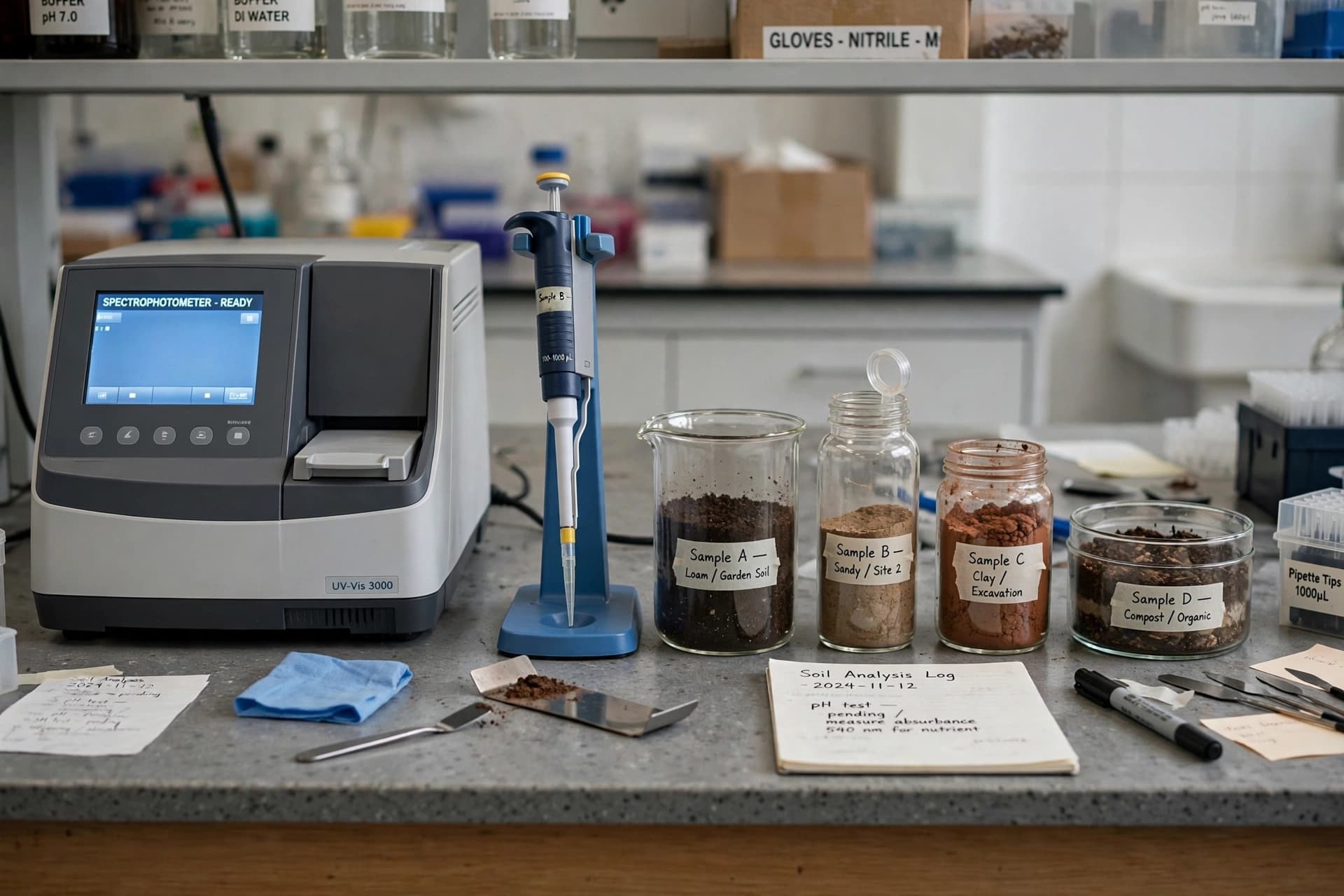
AI Image Disclaimer: The images in this article are AI-generated and are for illustrative purposes only. They do not depict actual laboratory procedures.
Sources: ScienceDaily, Sultan Qaboos University, Lawrence Berkeley National Laboratory, Extension Master Gardener Volunteers of Durham County
Published by Banx Network. This article is part of the Banx decentralized media programme, powered by the BXE token on the XRP Ledger.