Innovation is often described in the language of breakthroughs—algorithms, laboratories, funding rounds, and sudden growth. Yet before any of that becomes visible, there is usually something less dramatic at work: institutional design.
That quieter design is now changing at Techleap, which is splitting into separate public and private entities in an effort to strengthen the Netherlands’ position in deeptech and artificial intelligence.
The reasoning is partly strategic. Public structures can support ecosystem development, coordination, and national priorities. Private structures, by contrast, may move with greater flexibility in attracting capital, partnerships, and entrepreneurial momentum.
Across Europe, governments and innovation groups are increasingly asking similar questions. How can emerging technologies be supported quickly enough to remain globally relevant, while still reflecting public priorities around governance, ethics, and long-term competitiveness?
For the Netherlands, the issue carries particular urgency. The country has a strong research base, internationally connected universities, and a history of technical entrepreneurship. Yet scaling early innovation into globally influential firms remains a persistent challenge.
Deeptech and AI both demand patience as well as speed. Scientific foundations often take years to mature, while competitive markets can shift in months. That tension makes organizational structure more consequential than it might first appear.
By dividing into public and private arms, Techleap appears to be searching for a more adaptable balance—one part anchored in long-term ecosystem support, another oriented toward operational agility.
The success of the change will not be measured immediately. But for now, the decision signals something broader: in the global contest over advanced technology, even administrative architecture can become part of innovation itself.
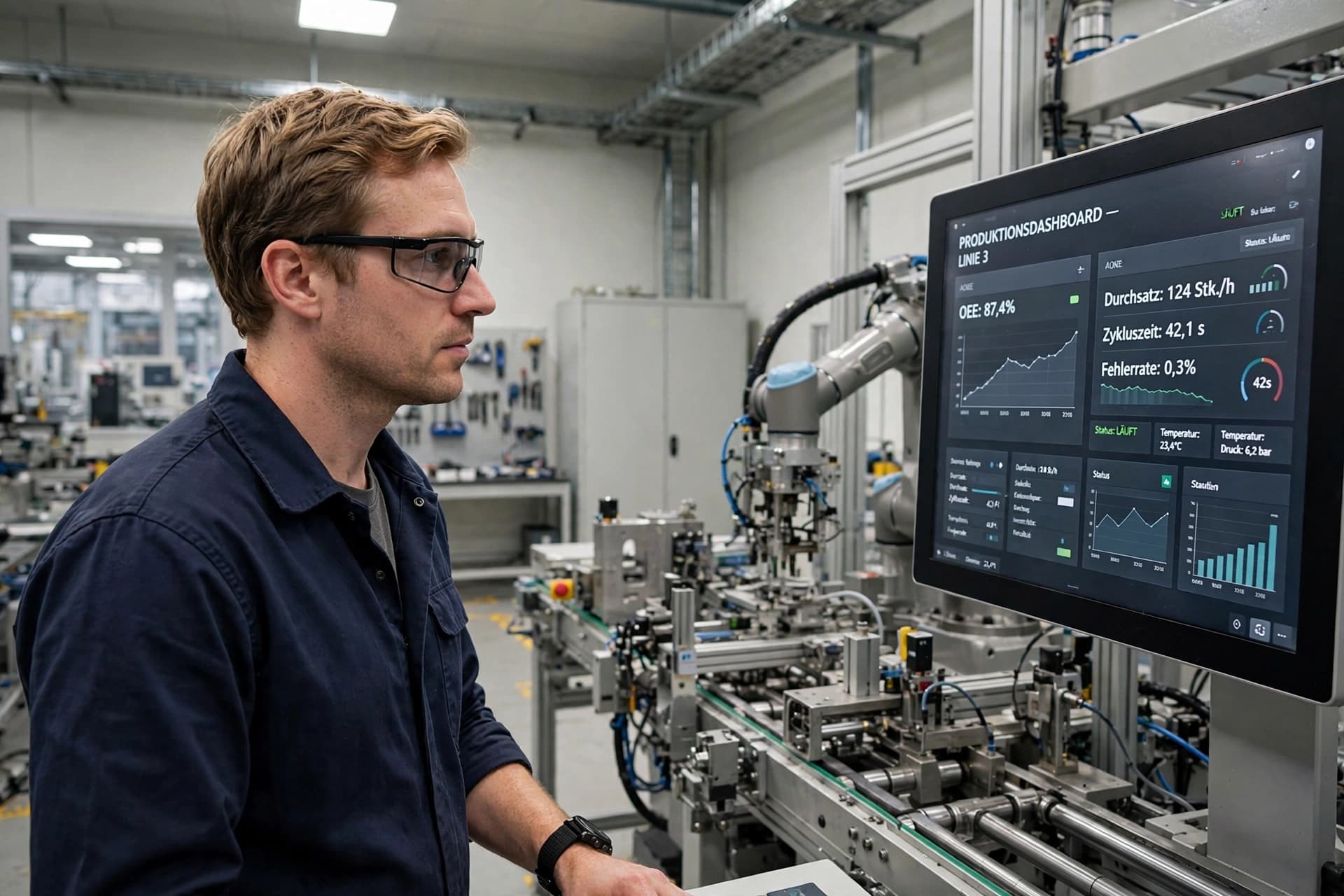
AI Image Disclaimer Illustrations were produced with AI and serve as conceptual depictions.
Source Check (credible media scan before writing): NL Times, DutchNews, Reuters, Financial Times, Bloomberg
Published by Banx Network. This article is part of the Banx decentralized media programme, powered by the BXE token on the XRP Ledger.