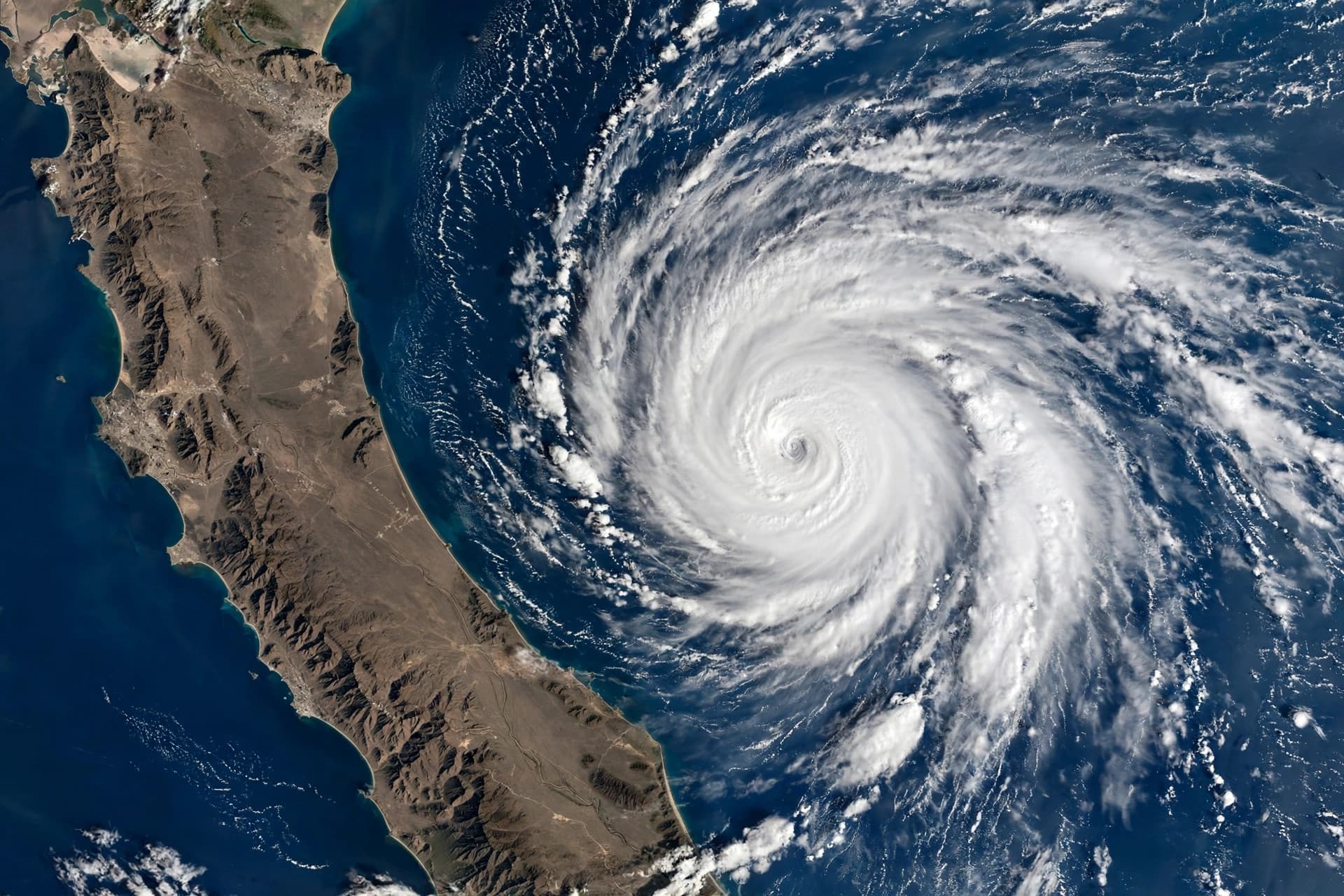
There is a quiet violence in the way wind takes soil—grain by grain, field by field, until what was once fertile ground becomes dust carried across borders and oceans. In arid and semi-arid regions, wind erosion is not merely an agricultural concern; it is a threat to air quality, human health, and the stability of communities that depend on the land. For years, researchers have sought ways to hold the soil in place, to give it a memory of cohesion that wind cannot easily erase. A new study suggests that a material thousands of times thinner than a human hair may offer a surprisingly effective answer.
The research, published in Scientific Reports, examined how nano clay—ultrafine particles of clay minerals—could reduce wind-induced soil loss under controlled wind tunnel conditions. The team, led by Abdirashid Ali Wehliye and Sema Kaplan at Erciyes University in Türkiye, tested three different aggregate sizes (0.5, 1.0, and 2.0 millimeters), three wind speeds (8, 10, and 12 meters per second), and four nano clay application rates ranging from zero to 3.75 grams per square meter .
The results were striking. At the highest application rate, soil loss decreased by more than 95 percent in the finest aggregates, by over 93 percent in the one-millimeter aggregates, and by nearly 81 percent in the coarser two-millimeter aggregates. The protective effect was most pronounced at high wind speeds and in fine soil particles, precisely the conditions under which erosion is typically most severe .
The study did not stop at physical measurements. The researchers also employed machine learning models to predict soil loss and, crucially, to explain which factors mattered most. Among the models tested, XGBoost performed best, achieving a predictive accuracy of 0.882 on a held-out test set. The use of SHAP analysis—a method for interpreting machine learning predictions—revealed that nano clay dose was the single most influential factor in reducing soil loss, followed by wind speed and aggregate size .
This integration of explainable artificial intelligence into soil science represents a methodological shift. Rather than treating the relationship between treatment and outcome as a black box, the researchers were able to quantify the relative contribution of each variable, offering a clearer picture of how nano clay interacts with soil structure under stress. The fine particles of nano clay appear to bind aggregates together, increasing their resistance to the aerodynamic forces that would otherwise lift them away.
The study's authors are careful to note the limitations. The experiments were conducted under controlled wind tunnel conditions, and broader practical applicability would require validation in the field, where moisture, temperature fluctuations, and biological activity introduce variables that a laboratory cannot fully replicate. Yet the findings offer a promising direction for land management in regions where wind erosion threatens both livelihoods and ecosystems—a reminder that sometimes the smallest interventions, applied thoughtfully, can hold back forces far larger than themselves.
A study in Scientific Reports found that nano clay applications reduced wind-induced soil loss by up to 96 percent in wind tunnel experiments. Machine learning analysis identified nano clay dose as the most influential factor in protecting soil aggregates.
AI Image Disclaimer: The images accompanying this article are generated by artificial intelligence and are intended for illustrative purposes only.
Sources: Scientific Reports, Springer Nature, Erciyes University
Published by Banx Network. This article is part of the Banx decentralized media programme, powered by the BXE token on the XRP Ledger.