In the quiet corners of New South Wales history, some shadows remain long and deep. The case of Ivan Milat, the convicted serial killer whose crimes shocked the nation in the 1990s, has long been considered closed. Yet, a parliamentary inquiry into unsolved murders and missing persons cases has unearthed new threads, suggesting that the full extent of his alleged activities may not have been fully explored at the time. Recent tip-offs have directed investigators to several properties linked to Milat that were reportedly overlooked during the initial police searches in 1994.
The inquiry, led by members of the NSW Legislative Council, is examining whether Milat may be connected to more than the seven backpacker murders for which he was convicted. Families of missing persons have come forward with harrowing stories and new evidence, urging authorities to look deeper. Among these revelations are claims that specific rural properties owned or frequented by Milat were not subjected to the same rigorous forensic scrutiny as the Belanglo State Forest, where the victims’ bodies were found.
These properties, located in areas such as Eagle Vale and other suburbs, are now the focus of renewed attention. Witnesses and informants have suggested that these sites may hold physical evidence or clues that could link Milat to other disappearances. The inquiry’s chair has urged the NSW Police Commissioner to consider executing search warrants at these locations, emphasizing the importance of leaving no stone unturned in the pursuit of truth for grieving families.
The original investigation in the mid-1990s was massive, involving hundreds of officers and extensive media coverage. However, in the rush to solve the high-profile backpacker killings, it is possible that peripheral leads were deprioritized. The passage of time has not dimmed the pain of those left behind, nor has it erased the possibility that justice remains incomplete. For them, the inquiry represents a final chance for answers that have eluded them for decades.
Critics of the current police response argue that institutional inertia may be preventing a thorough re-examination of cold cases. They point to the success of private investigators and amateur sleuths in uncovering new leads as evidence that official channels may have missed opportunities. The inquiry serves as a check on this potential oversight, demanding accountability and a renewed commitment to solving unsolved crimes.
The emotional toll on the families involved is profound. Each new lead brings a mix of hope and anxiety, as they relive the trauma of their loss in the public eye. Their perseverance has kept the memory of their loved ones alive and has driven the momentum for this inquiry. It is a testament to their strength that they continue to seek justice, even after so many years.
As the inquiry progresses, it highlights the evolving nature of criminal investigation. Advances in forensic technology and data analysis offer new tools for examining old evidence. What was impossible to detect in 1994 may now be within reach. This technological progress, combined with persistent community advocacy, creates a powerful force for uncovering the truth.
The outcome of these new searches remains to be seen, but the process itself is significant. It demonstrates a willingness to confront past limitations and to prioritize the needs of victims’ families. Whether or not new evidence is found, the inquiry ensures that the stories of the missing are heard and that the pursuit of justice remains an active, ongoing endeavor.
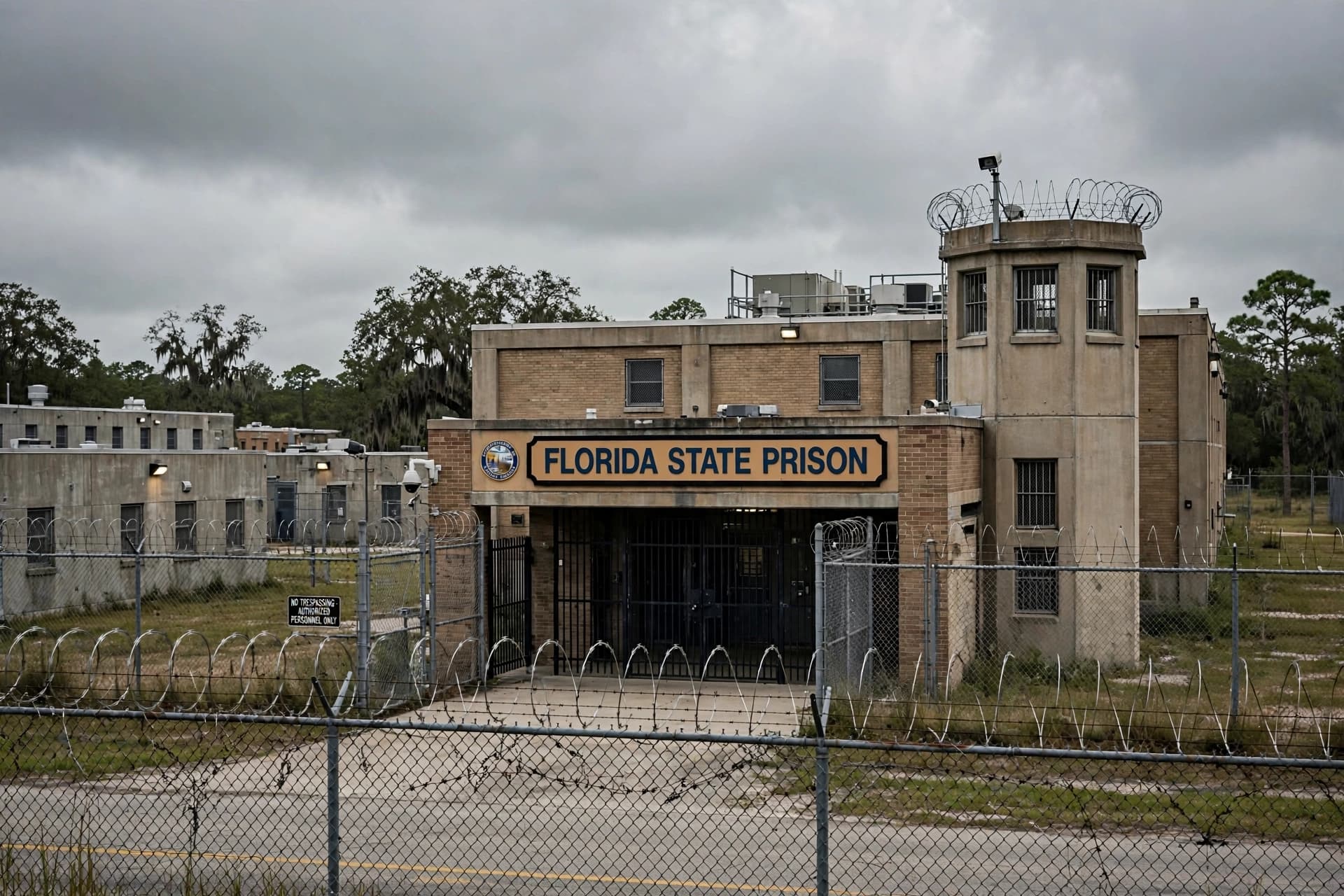
AI Image Disclaimer: The visual elements in this article are AI-generated illustrations depicting archival documents and serene rural landscapes, designed to reflect the historical and investigative nature of the story without showing real individuals.
Sources: Nine News, ABC News, The Sydney Morning Herald, NSW Parliament
Published by Banx Network. This article is part of the Banx decentralized media programme, powered by the BXE token on the XRP Ledger.