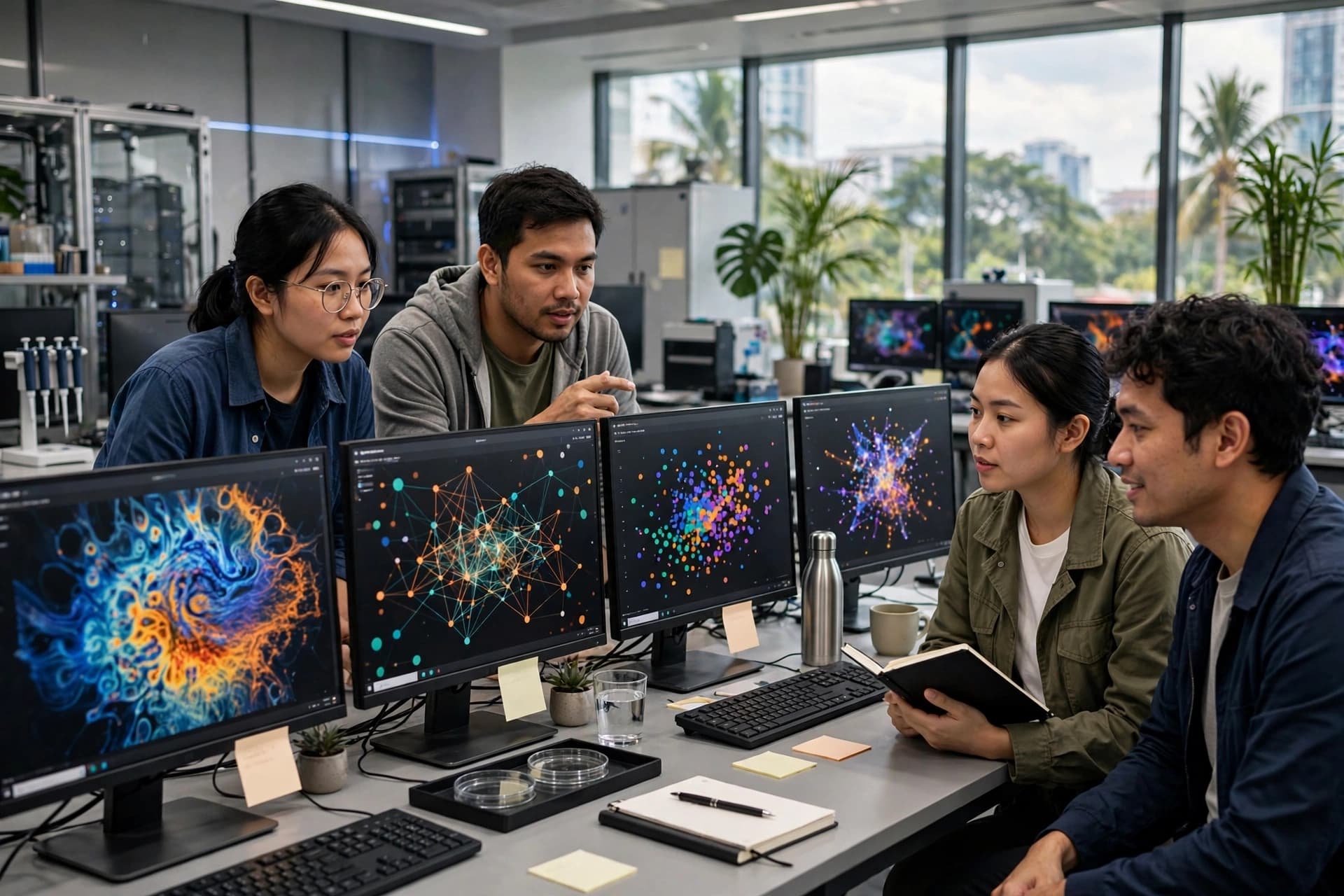
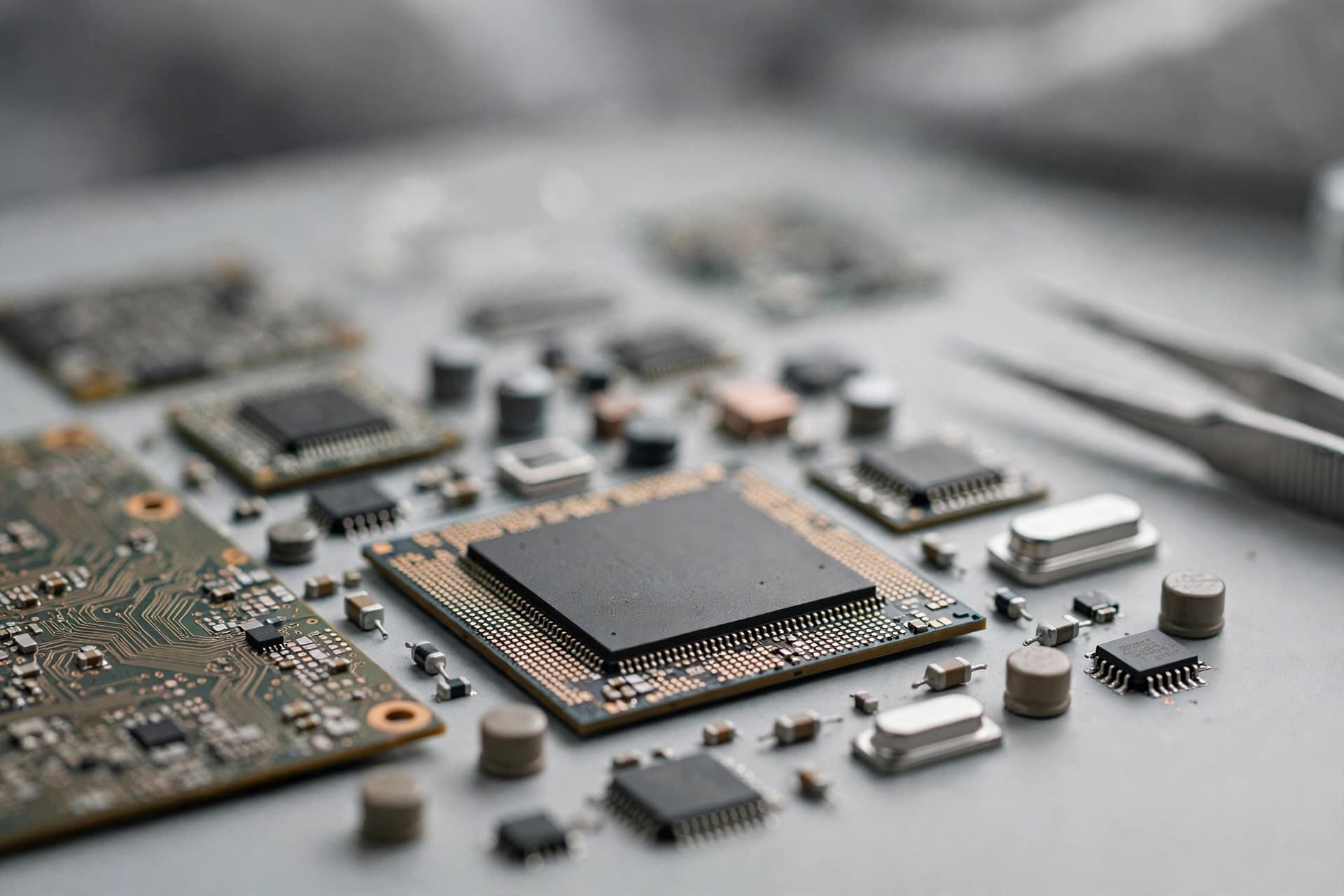
In the quiet hum of a laboratory, where light refracts through microscopes and robotics hum like gentle mechanical whispers, the future of memory is quietly taking shape. Here, knowledge is being etched not on paper or silicon, but in tiny volumes of glass, a medium so enduring that it may carry human understanding for thousands of years. It is a vision that blends the meticulousness of a librarian with the patient precision of a craftsman, suggesting that the stories we tell today might survive the centuries like echoes caught in crystal.
The approach is deceptively simple: encode digital information into microscopic structures inside glass, creating a “book” so small that a single cubic centimeter could hold the equivalent of thousands of conventional hard drives. Robots — the new custodians of this knowledge — are tasked with storing, organizing, and retrieving these fragile capsules, moving with care and precision among shelves of tiny glass volumes. Each movement reflects both a technological choreography and a philosophical statement: that even in an age dominated by ephemeral digital media, there is value in permanence.
Researchers emphasize that glass, unlike magnetic media or traditional silicon storage, does not degrade easily under heat, light, or moisture, making it a promising medium for storing data over millennia. Laser pulses encode information by altering the glass’s molecular structure, creating a three-dimensional map that can later be read with precision. It is a form of storytelling that survives beyond our lifetimes, preserving both the content and the care with which it was crafted.
The robotic libraries themselves are a marvel of automation and design. Tiny, mechanical arms glide along tracks, selecting glass volumes with the precision of a seasoned librarian. These robots are programmed to organize, catalog, and deliver the correct “book” on request, translating a century-old dream of endless archives into a tangible, working reality. The quiet elegance of the system highlights a tension between fragility and endurance — glass may shatter, yet the knowledge inside it is encoded in a way that resists the slow decay of time.
The potential applications of such libraries stretch from archival of human history to secure long-term storage of scientific data and cultural artifacts. Imagine a world where the sum of human knowledge could be preserved through generations, immune to the frailties of digital obsolescence, natural disasters, or societal collapse. It is a gentle promise of continuity, a whisper to the future that the stories, discoveries, and art we create today will not vanish with the turning of a calendar.
Yet, even as this technology inspires visions of eternity, it reminds us that preservation is more than technical innovation; it is an act of care. The robots, the glass, and the microscopic inscriptions are tools, but the human intention behind them — the desire to communicate across time — is what grants them meaning. In a sense, these tiny glass “books” are as much about humanity’s reverence for memory as they are about bytes and lasers.
In practical terms, teams at leading laboratories have successfully encoded terabytes of data into glass volumes that could survive thousands of years, and prototype robotic systems can retrieve specific files with precision. Experiments suggest that even under extreme environmental conditions, the glass storage medium remains remarkably stable, offering a promising avenue for both archival institutions and research facilities aiming for longevity beyond conventional technology.
AI Image Disclaimer Illustrations were produced with AI and serve as conceptual depictions.
Sources Nature Science Daily MIT Technology Review IEEE Spectrum The Guardian
Published by Banx Network. This article is part of the Banx decentralized media programme, powered by the BXE token on the XRP Ledger.