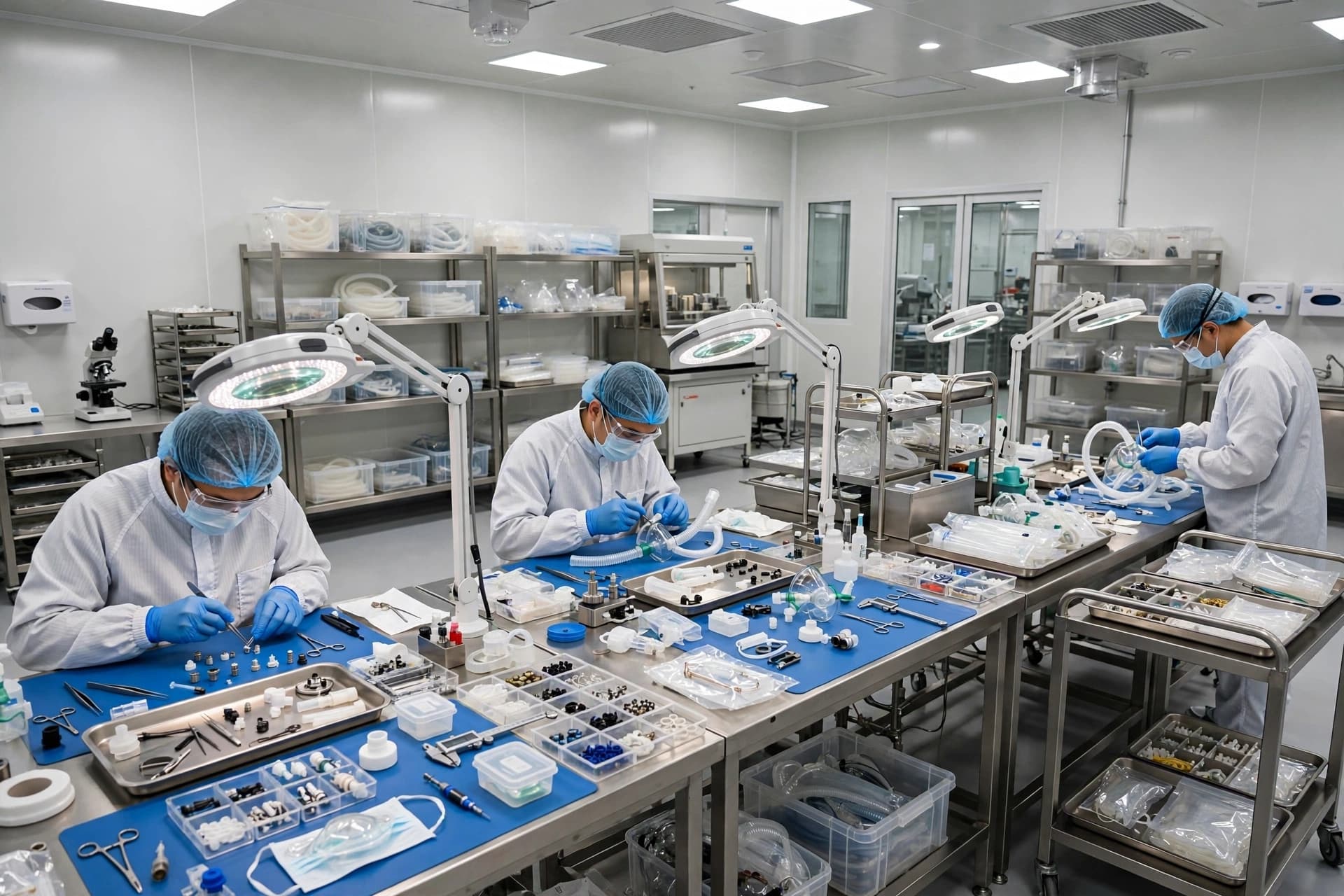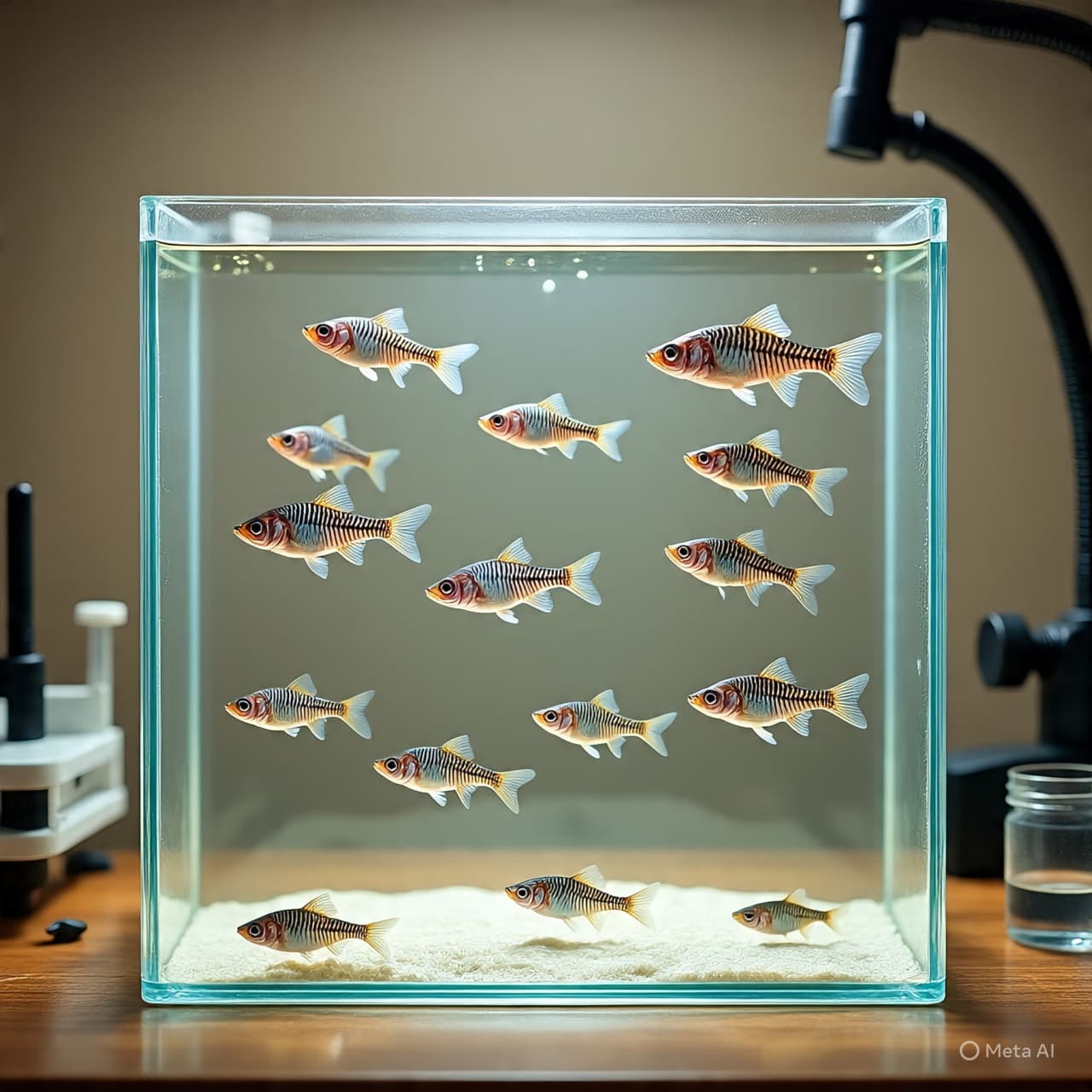
There are stories in science that read almost like poetry: small beginnings leading to clarity where there was once uncertainty. In labs at Griffith University in Australia, rows of tanks filled with striped zebrafish — a common aquarium species as familiar as they are unassuming — recently helped resolve one such moment of uncertainty for two newborns thousands of kilometers apart. In both Sydney’s suburbs and a city in Germany, two infants entered the world carrying rare, previously unstudied variants of a gene linked to a serious neuromuscular disease. The puzzle of what those variants meant for their future could have led to intense medical interventions — including treatments that cost millions and must be given before symptoms appear. Instead, scientists turned to zebrafish to illuminate the path forward.
Spinal muscular atrophy (SMA) is a genetic condition caused by mutations in the SMN1 gene, leading to a dangerous lack of a protein critical for motor neuron survival. In its most severe form, babies with SMA may never gain basic motor abilities, making early treatment essential. But when these two infants were flagged through newborn screening with uncertain variants — ones doctors had never seen before — clinicians faced a dilemma: to treat immediately and risk unnecessary therapy and side effects, or wait and possibly allow irreversible harm.
Enter zebrafish. These slender, tropical fish may seem unlikely heroes, yet they have genetic and biological systems surprisingly similar to humans — sharing roughly 70 percent of human genes and often serving as efficient models for human disease research. Working with zebrafish embryos bred without the SMN1 gene, researchers injected genetic material corresponding to each baby’s unique variant. Within weeks, the fish that received the variants survived and developed normally — a strong indication that those specific human variants were not harmful.
In less than six weeks, this approach furnished doctors with experimental evidence that helped clinicians rule out serious SMA progression. The result? Neither child required the intensive and costly genetic therapies reserved for definitive SMA cases, and both are now past two years old and developing typically.
This isn’t just a story about zebrafish; it’s a tale about the changing face of precision medicine. As genomic sequencing becomes a routine part of newborn screening, clinicians increasingly encounter variants whose effects are unknown. Traditional pathways to assessment — long studies in rodents, protracted clinical observation — can be too slow when early treatment decisions are pressing. Zebrafish, with their transparent embryos and rapid development, provide a faster, more affordable way to test the functional impact of genetic variants and guide real‑world care decisions.
Researchers behind the work say this model could be applicable well beyond spinal muscular atrophy, potentially offering insights for a wide range of genetic conditions that currently defy easy interpretation. For families navigating the uncertainty of ambiguous genetic findings, that prospect is more than scientific curiosity — it’s reassurance and relief.
Biomedical researchers at Griffith University used zebrafish to test whether rare SMN1 gene variants found in two newborns would lead to spinal muscular atrophy (SMA). By introducing each variant into zebrafish lacking the gene, scientists observed that the fish developed normally, suggesting the human variants were not harmful. This evidence helped clinicians avoid initiating costly and potentially unnecessary treatments for the infants. Both children are now more than two years old and developing normally, according to researchers.
AI Image Disclaimer Illustrations were produced with AI tools and serve as conceptual depictions, not real photographs.
Sources ABC News — How a tank of zebrafish helped two children born with a rare genetic variant EARA — Why zebrafish are used in animal research
Published by Banx Network. This article is part of the Banx decentralized media programme, powered by the BXE token on the XRP Ledger.