
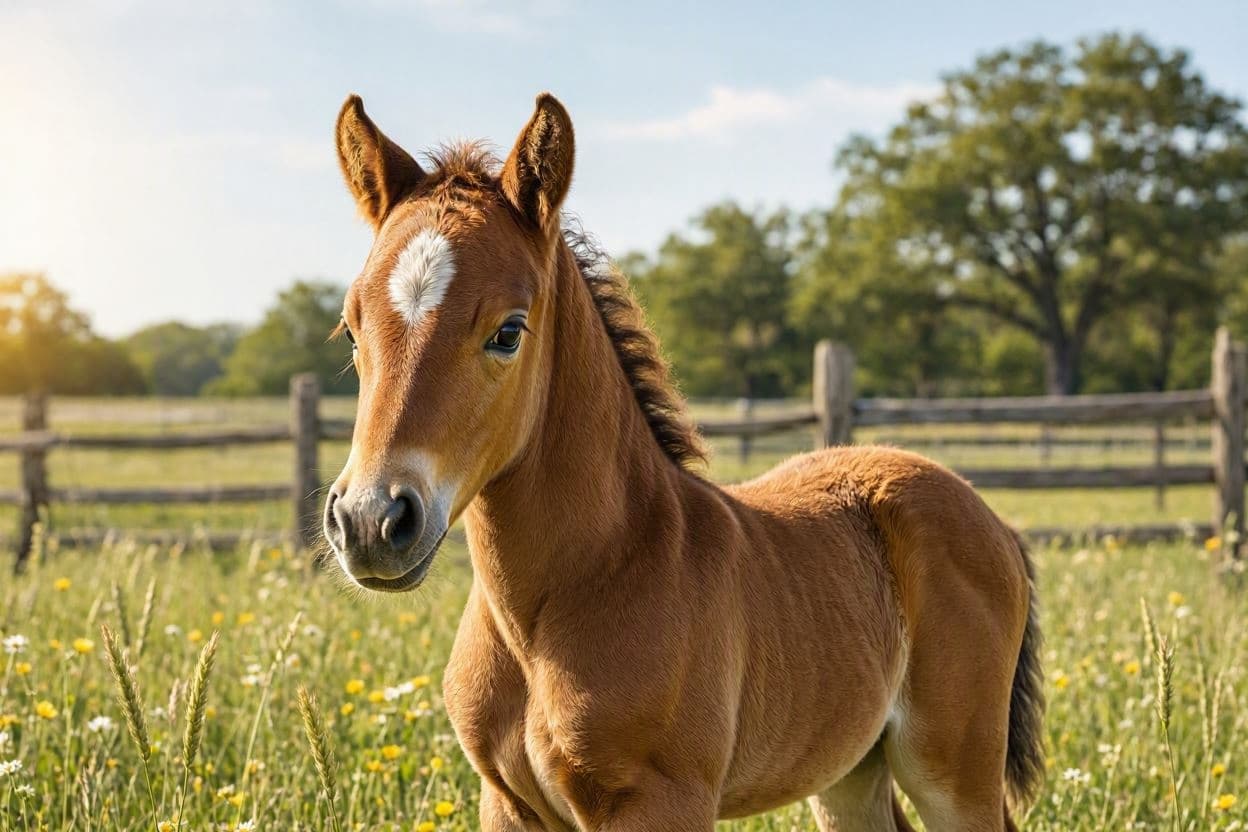
In the quiet moments of a foal’s early life, as it takes its first tentative steps and learns the rhythm of the herd, a subtle biological clock is already ticking. Within the cells of these young Thoroughbreds, structures known as telomeres—protective caps at the ends of chromosomes—are undergoing dynamic changes that may hint at their future health and longevity. Recent research into the blood leukocyte telomere length during the first year of life offers a fascinating glimpse into the cellular aging process, suggesting that the foundations of vitality are laid long before a horse ever enters the racetrack.
This scientific inquiry is not merely about measuring DNA; it is about understanding the intricate interplay between genetics, environment, and development. By observing how these protective caps shorten or stabilize in the crucial first twelve months, researchers hope to uncover markers that could predict resilience, susceptibility to disease, and overall physiological robustness. It is a study of potential, written in the microscopic language of cells.
Telomeres serve as buffers for genetic material, shortening slightly with each cell division. In humans and other mammals, this shortening is often associated with aging and stress. However, in Thoroughbred horses, a breed selected for speed and performance, the dynamics of telomere length in early life may follow a unique pattern. The study focuses on leukocytes, or white blood cells, which are easily accessible and reflect the systemic health of the animal. Tracking these cells provides a window into the broader physiological state of the growing foal.
The first year of life is a period of rapid growth and significant environmental exposure. Foals transition from the protected womb to the complexities of the outside world, facing nutritional changes, physical exertion, and social interactions. These factors can influence cellular stress levels, potentially accelerating or decelerating telomere attrition. Understanding this relationship helps breeders and veterinarians appreciate how early care practices might impact long-term health outcomes.
Research indicates that telomere length at birth varies among individuals, influenced by maternal health and genetic factors. As the foal matures, the rate of change becomes a critical metric. Some studies suggest that slower rates of shortening may correlate with better immune function and reduced inflammation. For Thoroughbreds, whose careers depend on peak physical condition, identifying these patterns early could inform training regimes and management strategies.
The implications extend beyond individual health to the sustainability of the breed. Thoroughbred racing faces increasing scrutiny regarding welfare and longevity. By integrating cellular biomarkers like telomere length into health assessments, the industry can move toward more proactive and preventive care. This shift emphasizes well-being over mere performance, aligning economic interests with ethical stewardship.
Moreover, this research contributes to the broader field of comparative biology. Horses share many physiological similarities with humans, making them valuable models for studying aging and stress responses. Insights gained from equine telomere dynamics may offer parallels for human pediatric health, highlighting the universal nature of cellular aging processes across species.
Data collection involves careful monitoring of foals from birth through their first year, with regular blood samples analyzed using precise molecular techniques. The consistency of these measurements is vital for establishing reliable baselines. Researchers must account for variables such as season, diet, and activity levels to isolate the true biological signals from environmental noise.
As the scientific community continues to explore these dynamics, the conversation around equine health becomes more nuanced. It is no longer enough to look only at visible signs of fitness; the invisible cellular landscape must also be considered. This holistic approach promises a deeper understanding of what it means for a horse to thrive.
The study of telomere dynamics in young Thoroughbreds represents a convergence of genetics, veterinary science, and animal welfare. By paying attention to the microscopic details of early life, we gain valuable insights into the macroscopic realities of health and performance. It is a gentle reminder that the future of these majestic animals is shaped not just by training, but by the very building blocks of their biology.
AI Image Disclaimer: Please note that any visual representations accompanying this article are AI-generated conceptual images intended to illustrate the scientific themes of cellular biology and equine development, not actual microscopic photographs.
Sources:
• Journal of Animal Science
• Equine Veterinary Journal
• Nature Communications (related comparative studies)
• PLOS ONE
Published by Banx Network. This article is part of the Banx decentralized media programme, powered by the BXE token on the XRP Ledger.


.jpg&w=3840&q=75 "WHO Reports 515 Confirmed Ebola Cases and 91 Deaths in Democratic Republic of Congo")