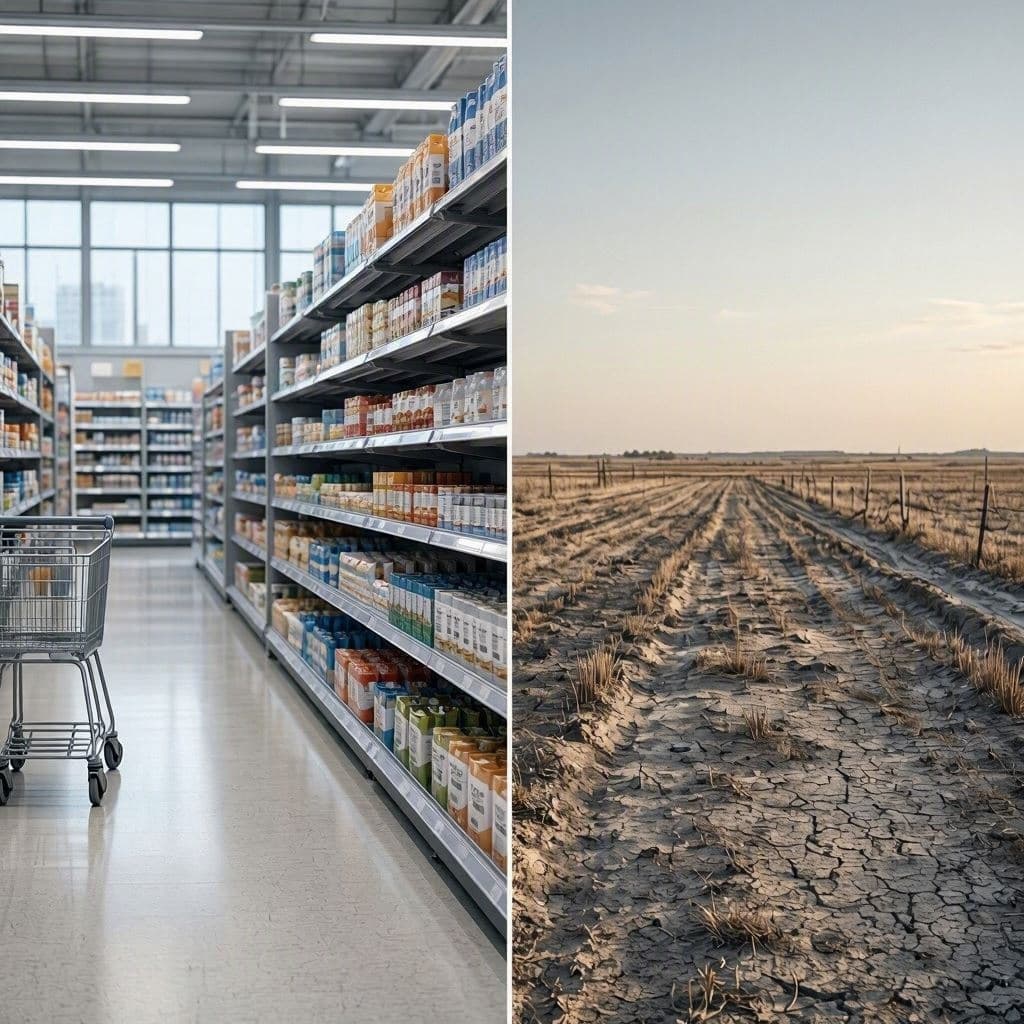
For decades, the modern consumer has enjoyed a peculiar luxury: the ability to purchase sustenance with little regard for its true cost. The supermarket aisle became a theater of abundance, where prices remained stubbornly low despite the complex global machinery required to bring food to the shelf. But this era of affordability was built on a foundation of externalized costs, hidden subsidies, and environmental compromises that are now coming due. As the price tag at the checkout counter rises, we are beginning to understand that the bill for cheap food was never truly paid—it was merely deferred.
The shift away from inexpensive staples is not just an economic adjustment; it is a cultural reckoning. We are witnessing the unraveling of a system that prioritized volume over value, efficiency over sustainability. The consequences of this transition ripple outward, touching everything from public health to geopolitical stability, forcing us to reconsider what we eat and why it matters.
The illusion of cheap food was maintained through industrial agriculture’s reliance on monocultures, heavy pesticide use, and long-distance supply chains. These methods boosted yields and lowered immediate costs, but they degraded soil health, depleted water resources, and contributed significantly to carbon emissions. Now, as climate change disrupts growing seasons and resource scarcity becomes a reality, the true environmental cost of production is being reflected in market prices.
Beyond the environment, the health implications of a diet driven by low-cost, highly processed ingredients are becoming undeniable. Rates of chronic diseases linked to poor nutrition have soared, placing an immense burden on healthcare systems. The savings at the grocery store were effectively offset by rising medical bills, a trade-off that society is no longer willing or able to sustain. The end of cheap food may, paradoxically, lead to a healthier population if it encourages a return to whole, locally sourced ingredients.
Economically, the volatility of food prices exposes the fragility of global supply chains. Events such as pandemics, conflicts, and extreme weather events have shown how quickly access to affordable food can be disrupted. Nations are now reevaluating their dependence on imports, seeking greater food sovereignty through local production. This shift requires investment in regional farming infrastructure, a move that could revitalize rural economies but also demands higher initial consumer spending.
Socially, the rise in food prices exacerbates inequality. For low-income households, the increase in grocery bills is not an inconvenience but a crisis. It forces difficult choices between nutrition and other essentials, widening the gap between those who can afford quality food and those who cannot. Addressing this disparity requires policy interventions that go beyond simple subsidies, aiming instead to create a more equitable food system.
The cultural relationship with food is also evolving. As prices rise, consumers are becoming more mindful of waste and more interested in the origins of their meals. There is a growing appreciation for seasonal eating and traditional cooking methods that maximize flavor and nutrition without relying on expensive imports. This shift represents a return to a more intentional way of living, where food is valued not just as fuel but as a connection to the land and community.
However, this transition is not without its challenges. Farmers face pressure to adopt sustainable practices while maintaining profitability, and consumers must adjust their budgets and habits. It requires a collective effort to reshape the food system, involving governments, businesses, and individuals working toward a common goal of sustainability and equity.
The end of cheap food is not a catastrophe but a correction. It invites us to build a food system that respects ecological limits, supports public health, and ensures social justice. While the transition may be painful, it offers an opportunity to create a more resilient and meaningful relationship with what we eat. The true cost of food is finally being revealed, and with it, the chance to pay it forward in ways that benefit both people and the planet.
AI Image Disclaimer: Visuals associated with this article are AI-generated conceptualizations designed to illustrate the themes of economic shift and agricultural change, not specific real-world data points.
Sources:
• The New York Times
• The Guardian
• Bloomberg
Published by Banx Network. This article is part of the Banx decentralized media programme, powered by the BXE token on the XRP Ledger.