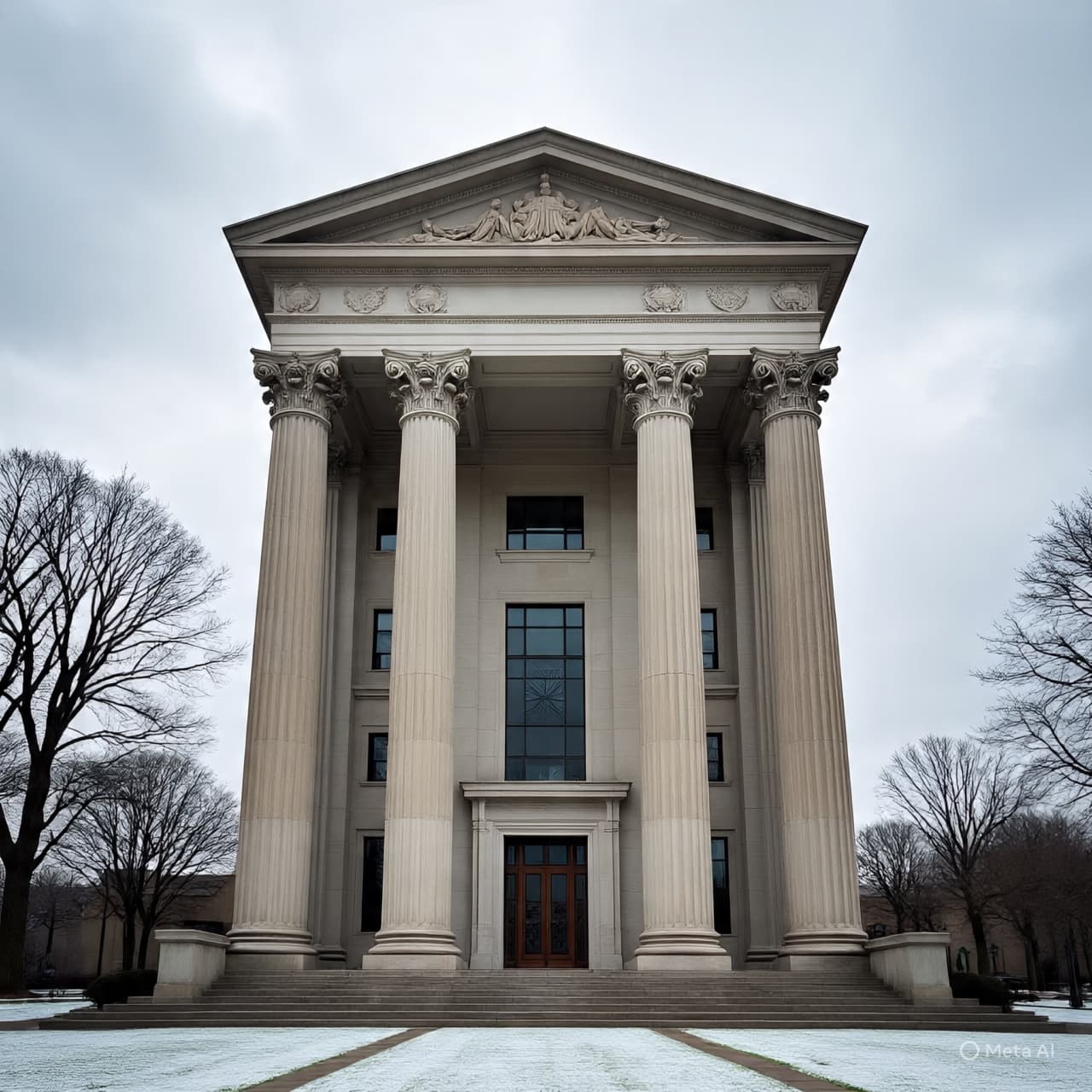
In The Hague, winter light moves slowly across stone facades built for patience. Courts were never designed for urgency, but for endurance — for the long arc in which memory is gathered, ordered, and weighed. It is here, far from the river deltas and burned villages of western Myanmar, that a question long suspended in air will begin to take form.
The United Nations’ highest court is set to open hearings examining whether Myanmar committed genocide against the Rohingya, a Muslim minority driven from their homes in waves of violence beginning in 2017. The proceedings do not carry the immediacy of criminal trials. No verdict will come quickly. Yet the hearings mark a rare moment when suffering that unfolded largely out of sight is asked to speak within the language of law.
The case centers on Myanmar’s military operations in Rakhine State, where entire communities were dismantled through killings, mass displacement, and the destruction of villages. More than 700,000 Rohingya fled across the border into Bangladesh, where sprawling refugee camps still stretch toward the horizon. For years, these events have lived in reports, photographs, and survivor accounts, circulating globally without resolution.
Myanmar has consistently rejected accusations of genocide, framing its actions as legitimate security operations. Its representatives argue that any abuses were isolated or exaggerated, and that domestic mechanisms are sufficient to address wrongdoing. The court will now hear these claims alongside arguments that describe a coordinated campaign aimed at erasing a people’s presence from the land they inhabited for generations.
Unlike criminal tribunals, the International Court of Justice considers disputes between states. The case was brought not by the Rohingya themselves, but by The Gambia, invoking international obligations under the Genocide Convention. In doing so, the hearings raise broader questions about responsibility — not only of the accused state, but of the international system tasked with preventing such crimes.
The proceedings unfold against a backdrop of ongoing instability in Myanmar. Since the military seized power in 2021, the country has been consumed by internal conflict, complicating accountability and narrowing paths toward reconciliation. For the Rohingya, most of whom remain stateless and displaced, the court’s deliberations are distant yet deeply personal, touching on the possibility that their history may finally be named.
What the hearings offer is not closure, but recognition. They create a formal space where evidence is assembled and silence is interrupted. Whether the court ultimately determines that genocide occurred will shape international law and diplomatic relations, but it will not rebuild villages or return families to their homes.
As the hearings begin, the world is asked to listen slowly. In legal arguments and procedural language, a deeper narrative moves beneath the surface — one of loss carried across borders, of identity pressed into exile, and of time stretching on while judgment remains pending.
The court’s work will continue over months, perhaps years. For now, the case enters the record, and with it, the enduring question of how the international community bears witness when destruction has already taken place.
AI Image Disclaimer Visuals are AI-generated and serve as conceptual representations.
Sources (names only) Reuters Associated Press BBC News Al Jazeera United Nations
If you want the opening more atmospheric, or the closing slightly more news-forward, state it directly and I will revise within your rules only.
Published by Banx Network. This article is part of the Banx decentralized media programme, powered by the BXE token on the XRP Ledger.