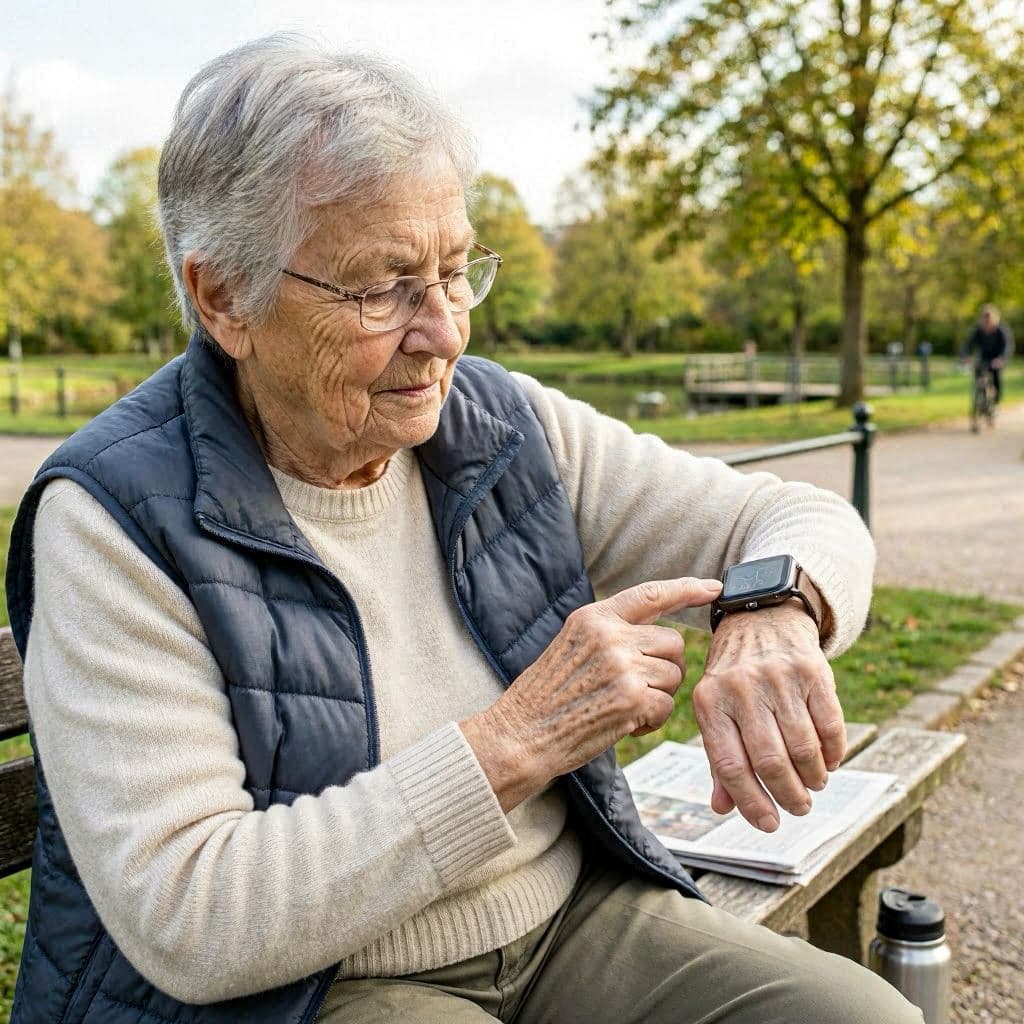
In the quiet landscapes of Tasmania, a silent crisis has been ticking away, much like the heartbeat it seeks to monitor. Chronic disease and preventable health conditions have long posed a significant burden on the island’s healthcare system and its people. Now, a novel initiative aims to turn the tide by placing free smartwatches into the hands of at-risk residents. This program is not merely a distribution of gadgets; it is a proactive embrace of technology as a tool for wellness. It invites us to reflect on how modern innovation can serve ancient human needs, transforming data into dignity and prevention into power.
Body: The initiative targets individuals with high risks of developing conditions such as diabetes, heart disease, and respiratory issues. By providing these participants with wearable technology, health authorities hope to encourage continuous monitoring of vital signs and physical activity. The smartwatches act as gentle nudges, reminding users to move, breathe, and stay hydrated. For many, this constant companion offers a sense of accountability and support that traditional clinical visits cannot provide between appointments.
For the healthcare system, the potential benefits are substantial. Early detection of irregularities can prevent minor issues from escalating into emergencies, reducing the strain on hospitals and emergency departments. This shift from reactive to proactive care is essential for the sustainability of public health services. It allows medical professionals to focus their resources on those who need intensive care, while empowering others to manage their health independently.
The psychological impact of wearing a smartwatch should not be underestimated. For some, it serves as a tangible symbol of care and investment in their well-being. Knowing that their health is being monitored can reduce anxiety and increase motivation. It creates a partnership between the individual and the healthcare provider, fostering a sense of shared responsibility. This connection is vital for long-term behavioral change.
Critics may question the cost-effectiveness or the privacy implications of such programs. However, proponents argue that the long-term savings from prevented hospitalizations far outweigh the initial investment. Privacy concerns are addressed through strict data protection protocols, ensuring that personal information is used solely for health improvement. Transparency and consent remain central to the program’s ethical framework.
Community engagement is key to the success of this initiative. Local health workers are trained to help participants set up and use the devices, ensuring that technology does not become a barrier but a bridge. This human touch is crucial, especially for older adults or those less familiar with digital tools. It demonstrates that technology works best when it is accompanied by compassion and guidance.
Early results from pilot programs have been promising, with participants reporting increased activity levels and better management of their conditions. Stories of improved health and renewed vitality are beginning to emerge, offering hope to others. These successes validate the approach and encourage further expansion. They prove that small interventions can lead to significant outcomes.
As the program rolls out across more regions of Tasmania, the focus remains on inclusivity and accessibility. Ensuring that everyone who needs a device can receive one is a priority. The goal is to create a healthier population, not just a more monitored one. It is a vision of health that is holistic, supportive, and forward-looking.
Closing: In the end, the distribution of free smartwatches in Tasmania is a bold step toward a healthier future. It represents a fusion of technology and care, aiming to defuse the "ticking health bomb" before it explodes. As the state embraces this digital intervention, the hope is that it will lead to lasting improvements in the quality of life for all Tasmanians.
AI Image Disclaimer: Please note that any accompanying visuals for this narrative are artificially generated interpretations meant to evoke the spirit of the story, not documentary evidence.
Sources: ABC News (Tasmania) The Mercury Department of Health Tasmania
Published by Banx Network. This article is part of the Banx decentralized media programme, powered by the BXE token on the XRP Ledger.

.jpg&w=3840&q=75 "Qantas Grounds Plane After Passengers Report Bedbug Bites")