In the rhythmic flow of global trade, policies often shift like currents beneath the surface — unseen by many, yet powerful enough to alter the course of economies and industries. This week, Mexico moved deliberately into such waters, announcing that new tariffs on imports from China and other countries will take effect starting Thursday, marking a notable pivot in its trade approach that reflects both domestic priorities and broader geopolitical pressures.
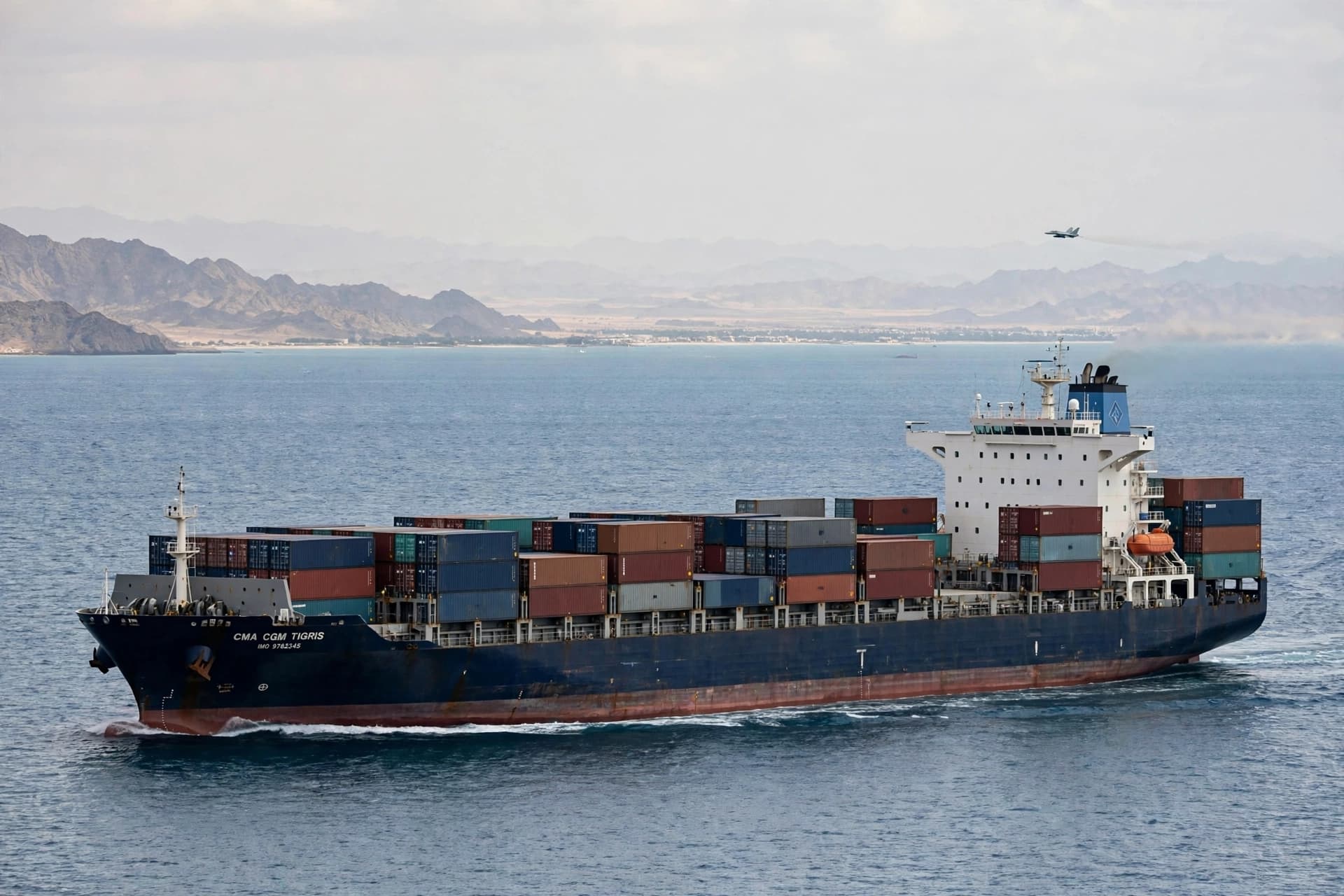
The sweeping tariff reforms, approved by Mexico’s Congress in early December 2025, impose higher import duties — most up to around 35% — on a wide array of products from nations with which Mexico lacks free-trade agreements, especially China. Thousands of items are affected, spanning sectors such as automobiles, auto parts, textiles, clothing, plastics and steel.
Officials in Mexico City framed the changes as measures to support domestic industry and address persistent trade imbalances, particularly as consumer and industrial goods from Asia have filled shelves and factories alike. The government says the adjustments aim to boost local production, protect jobs and strengthen strategic sectors of the national economy.
However, beneath the policy’s practical language lies a web of broader forces. Mexico’s move aligns with similar barriers introduced by its neighbour, the United States — also targeting Chinese imports as part of ongoing trade tensions — and analysts suggest that much of the strategy reflects a desire to coordinate with Washington ahead of upcoming negotiations over the US-Mexico-Canada Agreement (USMCA).
The announcement was met with strong objections from Beijing, where officials described the duties as unilateral and protectionist, urging Mexico to reconsider and avoid harm to bilateral economic cooperation. China has even moved to investigate what it sees as trade barriers affecting investment and commerce.
Mexican critics — especially importers and consumer advocates — warn that the tariffs could push up costs for businesses and shoppers alike, as higher duties on goods and components, from everyday textiles to automotive parts, ripple through supply chains. Finance analysts also note that the hikes could have inflationary effects, influencing price trends early in 2026.
As the tariffs take effect, Mexico finds itself at a crossroads where economic strategy intersects with diplomatic balance. The measure is seen by supporters as a bid for sovereign economic policy and industrial resilience, and by detractors as a risky step in an increasingly fractious global trade landscape. Whether this change will boost local manufacturing or strain international ties — particularly with China, a major trading partner — remains a story that will unfold through markets, businesses and cross-border negotiation in the year ahead.
AI Image Disclaimer “Visuals are created with AI tools and are not real photographs.”
Sources Reuters New Straits Times Forbes México EFE BioBioChile
Published by Banx Network. This article is part of the Banx decentralized media programme, powered by the BXE token on the XRP Ledger.