In the quiet evolution of everyday apps, a shift in design can feel like rearranging familiar furniture in your living room — it’s the same space, but the mood and movement change subtly, sometimes delightfully, sometimes awkwardly. Telegram, the popular messaging platform used by hundreds of millions of people worldwide, has just introduced such a transformation for its Android app. With the release of version 12.4.0, Telegram has fully embraced a new visual language called Liquid Glass, bringing a fresh, translucent interface to its Android experience.
The Liquid Glass redesign is inspired by Apple’s design language of the same name — a style characterized by translucent panels, soft blur effects, and floating elements that resemble glass reflecting light. First seen widely on iOS with the launch of Apple’s iOS 26, Liquid Glass emphasizes depth and subtle transparency to create a more fluid and dynamic user interface.
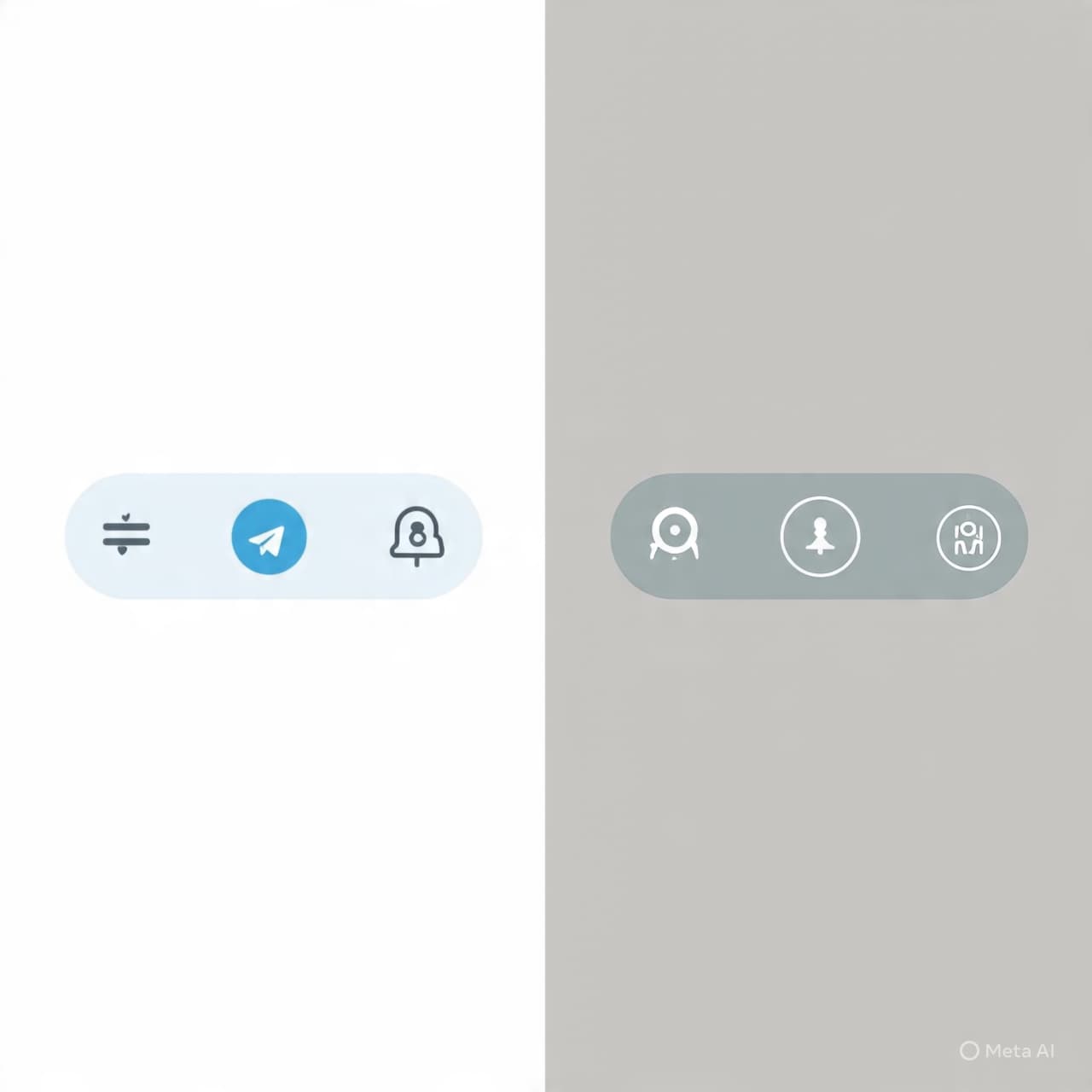
For Android users, the update means some noticeable changes. Gone is the familiar hamburger side menu that once housed navigation options. In its place is a fixed bottom navigation bar with four distinct tabs — Chats, Contacts, Settings, and Profile — meant to offer easier reach and clearer structure. Functions previously hidden behind the side panel (like creating new groups) are now tucked into a three‑dot overflow menu in the top right of various screens.
The new look also integrates translucent backgrounds and refracted UI elements throughout the app. These visual effects are especially prominent in light mode, lending menus and panels an ethereal, layered feel that many users liken to frosted glass. The emphasis on softer icons, spacing, and visual hierarchy gives Telegram an interface that feels more modern — but also more familiar to users who interact with Telegram across both Android and iOS.
Reactions to the redesign have been mixed. Some users praise the cleaner look and cross‑platform parity it creates, especially for those who switch between device types. Others, however, feel that adopting a design aesthetic inspired by Apple detracts from the native Android experience — especially in light of Google’s own evolving design system.
While Telegram’s embrace of Liquid Glass marks one of the most impactful visual overhauls of its Android app in some time, it also highlights a broader trend in app design: greater alignment across platforms, sometimes at the expense of platform‑specific conventions. As the rollout continues globally through the Google Play Store, many users are discovering the changes firsthand — and sharing their impressions online, both positive and critical.
Whether the Liquid Glass update ultimately becomes a beloved refresh or a point of contention among users, it undeniably sets a new visual tone for Telegram on Android in 2026.
AI Image Disclaimer Images in this article are AI‑generated illustrations, meant for concept only.
📚 Sources 9to5Google, Technobezz, Android Headlines, Business Standard — reporting on Telegram’s Android update that fully adopts Liquid Glass design elements and modernizes navigation.
Published by Banx Network. This article is part of the Banx decentralized media programme, powered by the BXE token on the XRP Ledger.