"A Display for Your Eyelid, Not Your Future."
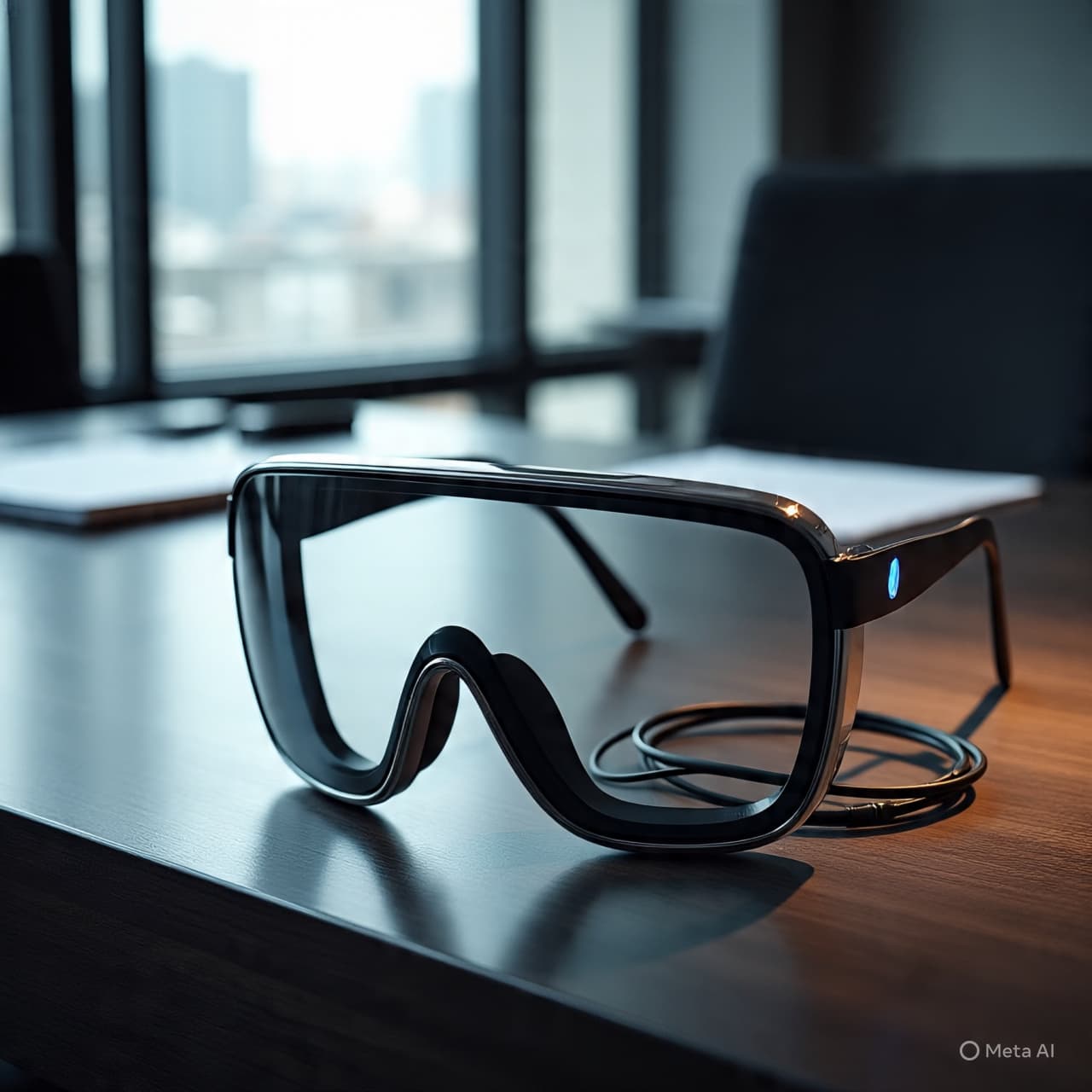
Meta has launched what is arguably its boldest wearable yet: the Ray-Ban Display glasses—its first smart glasses with a built-in color display in the lens, priced at $799 and bundled with a wrist-band controller. The company claims this marks the moment that display-equipped smart glasses cease to be futuristic prototypes and begin their journey to everyday reality.
The promise is alluring. With the new device, you can glance at your messages, watch subtitles, navigate streets, translate speech—all without pulling out your phone. The Neural Band adds gestures: a pinch, a swipe, a wrist flick can command digital tasks. The display is discreet—off to the side in one lens, dim when needed. With six hours of mixed-use battery life and a stylish Ray-Ban frame that doesn’t scream “tech demo,” Meta is clearly pushing on the weak point that plagued previous efforts: usability and aesthetics. Compared to Google Glass moral panic, this looks more like high fashion meets tech.
Still, the devil lurks in the details. The live demo stumbled: Wi-Fi glitches, a cooking assistant that mis-followed steps, failed call attempts. Spectators laughed, some critics grimaced. It’s proof that function still struggles under the weight of expectation. Battery duration under heavy display use? Likely much lower. How does it perform in full daylight, bright sun, or with complex tasks? Those moments will be critical.
Then there’s cost—not just the $799 price tag, but total cost of ownership: replacement lenses; whether the device requires frequent charging; durability; and whether the style holds up. And privacy concerns loom large. With microphones, cameras, and a display that looks like regular glass frames, how will Meta handle inadvertent recordings, data storage, transparency? Earlier smart glasses flopped because users (and society) rejected surveillance risks as much as ugly form factors.
On the software side, Meta bets big on control via gestures and AI. The Neural Band is meant to simplify interaction. But gesture recognition, ambient lighting, latency—these are tough challenges. And while messaging, navigation, translation show promise, the real test is whether it integrates seamlessly with what people already use: apps, phones, notifications. Limited third-party support, missing API integrations—those count more than flashy demos.
In sum, the Ray-Ban Display is not Google Glass, but it stands in its shadow. It improves many of the old device’s weaknesses: style, discretion, display integration. Yet the boldness of its features means every failure will be magnified. If Meta can pull off reliability, battery longevity, strong software ecosystem, and ethical clarity, this could mark a turning point in wearables. If not, it risks becoming another ambitious gadget that looked good on stage—and disappointed off it.
Published by Banx Network. This article is part of the Banx decentralized media programme, powered by the BXE token on the XRP Ledger.