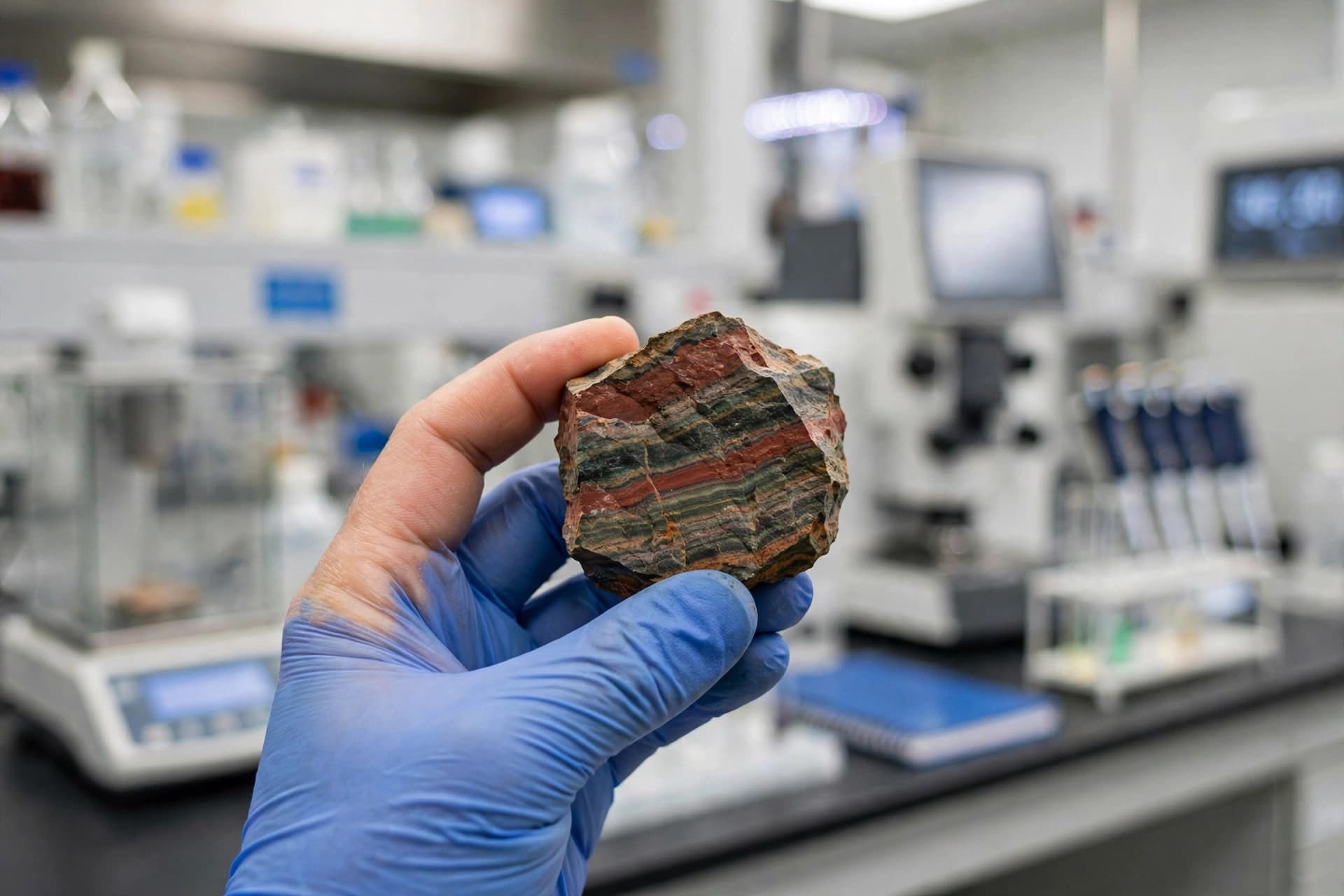
The moonrise often arrives quietly, as though the sky itself is turning a page.
Along coastlines and open horizons, the first edge of the moon appears slowly — a pale curve lifting above the darkening world. Most nights it carries its familiar silver light, calm and steady. But every so often, the atmosphere reshapes that light into something stranger.
On a recent March evening, the full moon rose through a sky already carrying the distant breath of the Sahara.
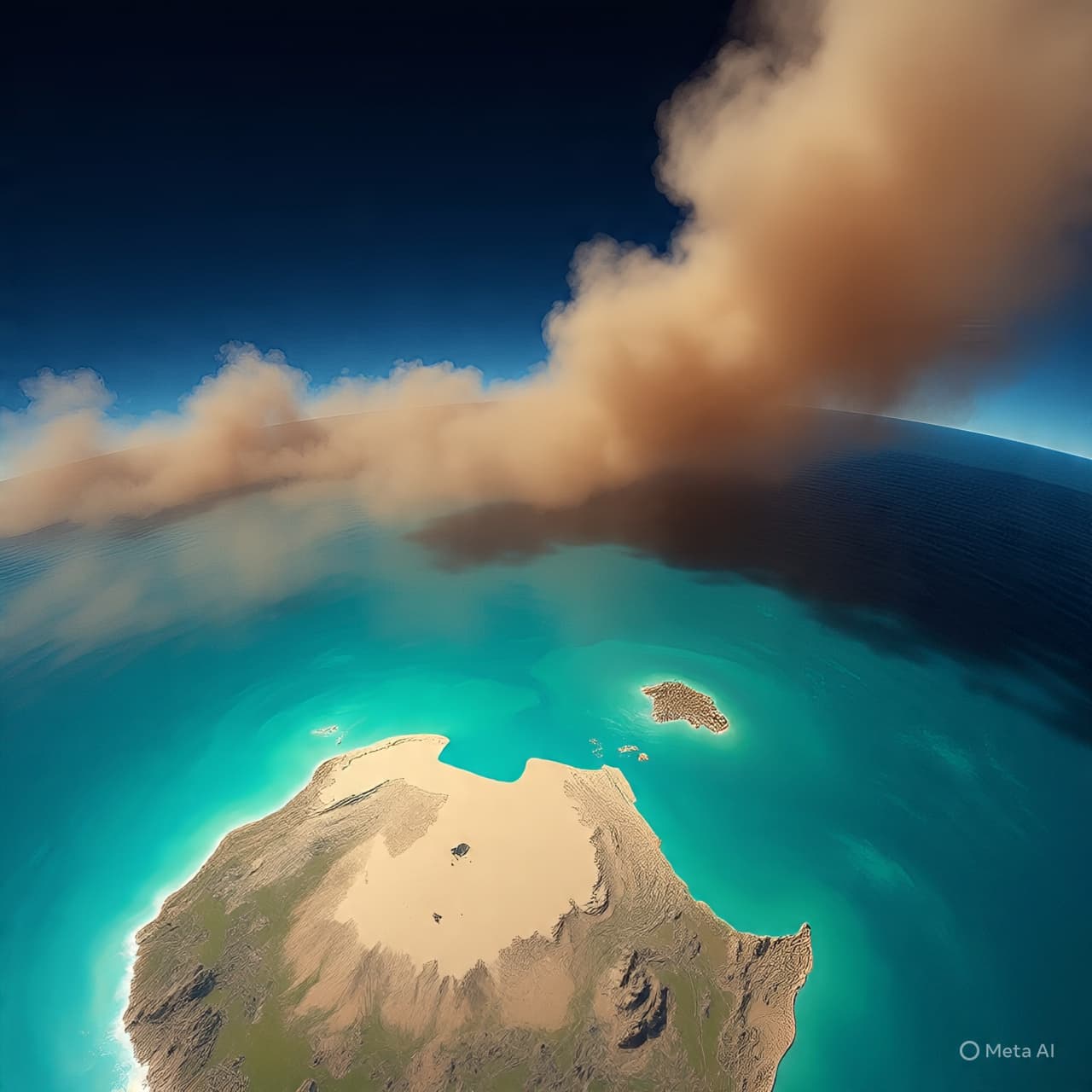
High above Europe, winds had lifted vast plumes of mineral dust from the North African desert and carried them across the Mediterranean and beyond. Suspended in the atmosphere, these fine particles softened the sky into a hazy veil, coloring sunsets in shades of copper and amber.
As the moon climbed through that veil, its light changed.
Astrophotographer Josh Dury captured the moment from the coast of the United Kingdom, assembling a composite image that traces the moon’s ascent through drifting cloud and dust. In the resulting view, the moon appears repeatedly across the sky, each position marking a step in its slow rise from the horizon.
Instead of the usual pale glow, the lunar disk takes on a deep red tint — a color that feels almost otherworldly against the darkening sky.
The explanation lies not in the moon itself but in the long path its light must travel to reach Earth. When the moon sits low near the horizon, its reflected sunlight passes through a thicker slice of the atmosphere. Dust particles and other aerosols scatter shorter wavelengths of light, allowing the longer red and orange wavelengths to dominate.
In this case, Saharan dust intensified the effect.
Large plumes of desert dust regularly cross the Mediterranean and reach Europe when winds lift fine sand high into the atmosphere. These airborne minerals can travel thousands of miles before eventually settling back to the ground, sometimes tinting skies and even rainwater with reddish hues.
As the moon rose higher in the sky, its color gradually softened, returning to the more familiar tones of a full lunar disk.
Yet for a brief moment near the horizon, the scene carried a different character — the moon glowing like a distant ember against the dusty evening air.
The photograph also arrived only hours after a dramatic lunar eclipse had occurred elsewhere in the world, adding another layer of celestial timing to the night’s events.
Such moments remind observers that the sky is rarely static. Even familiar objects like the full moon can appear transformed when Earth’s atmosphere — winds, dust, and drifting particles — quietly reshapes the light passing through it.
The composite image now circulates widely among skywatchers, capturing that short-lived meeting of desert wind and rising moon.
The photograph shows the March full moon glowing red as it rose through Saharan dust over the United Kingdom, a scene documented in a composite image by astrophotographer Josh Dury.
AI Image Disclaimer These images are AI-generated visual interpretations and do not depict real photographs.
Source Check
Space.com ScienceAlert Phys.org BBC Sky at Night NASA Earth Observatory
Published by Banx Network. This article is part of the Banx decentralized media programme, powered by the BXE token on the XRP Ledger.