Key Highlights
- Case Outcome:Christchurch rental property ordered to pay over NZ$2,500 in damages.
- Housing Standards:The ruling highlights ongoing issues with rental maintenance across New Zealand.
- Symbolism of Neglect:Worms entering through the floor symbolize deeper structural problems.
In Christchurch, the concept of home is being redefined as structural integrity is increasingly questioned. A recent case brought before the Tenancy Tribunal has shed light on the deteriorating conditions of rental properties, particularly one where worms were found entering through gaps in the floor. This unsettling discovery has raised alarms about the adequacy of housing standards in New Zealand, prompting discussions about the responsibilities of landlords and the rights of tenants.
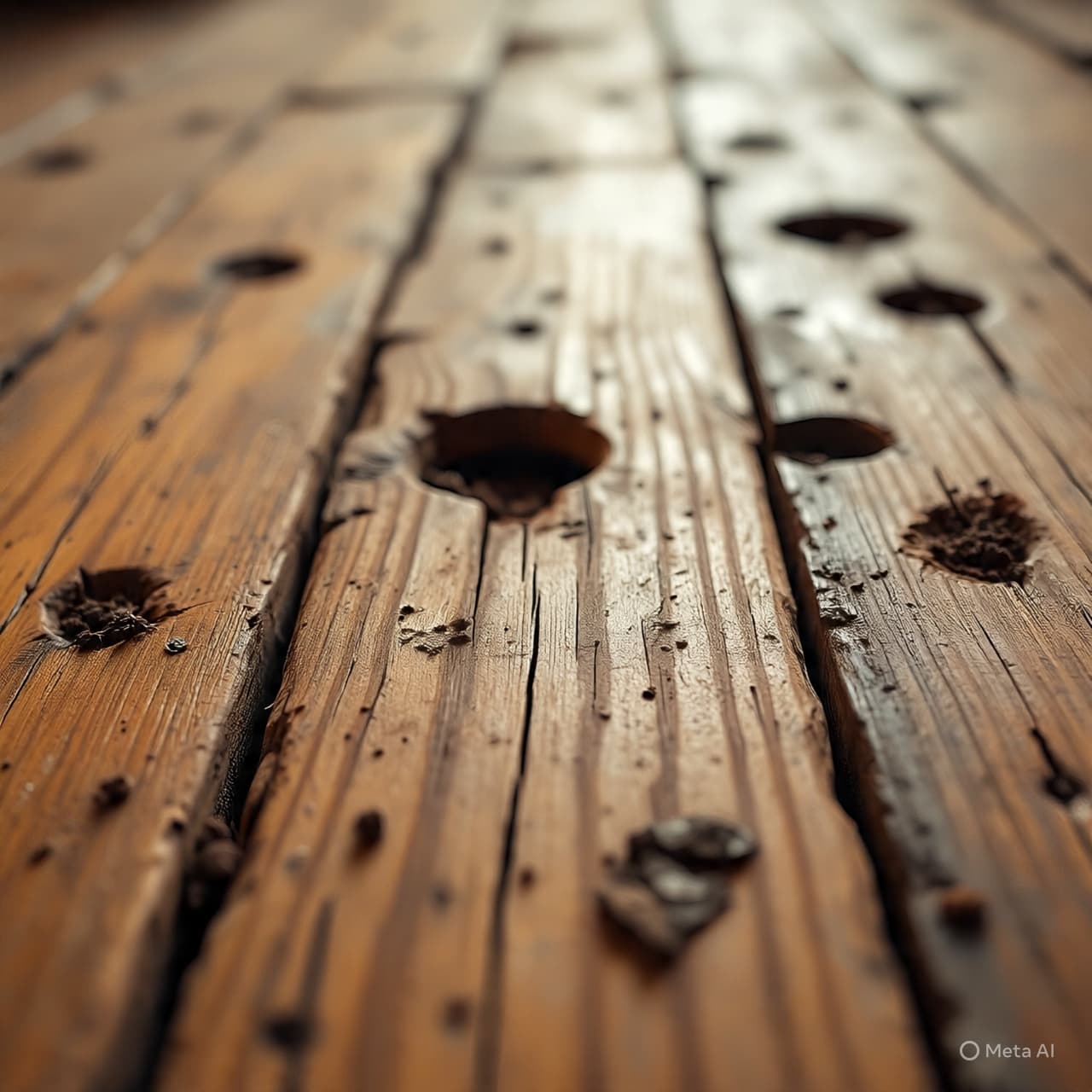
The Tenancy Tribunal, which adjudicates disputes between landlords and tenants, found that the rental property in question was in a state of disrepair that fell short of basic living standards. The presence of worms, which emerged through the flooring, was not merely an oddity but a clear indication of neglect and structural decline. The Tribunal ruled that the landlord must compensate the former tenant, with damages exceeding NZ$2,500, reinforcing the legal obligation to maintain properties in a reasonable state of repair.
This case is not an isolated incident. Across New Zealand, housing standards have come under increasing scrutiny, particularly in light of the Healthy Homes regulations. These regulations mandate that rental properties meet minimum standards for insulation, ventilation, and general maintenance. Reports from various authorities have documented a range of issues, from pest infestations to significant structural disrepair, indicating a broader trend of maintenance neglect that can lead to serious living conditions.
The symbolism of worms entering through the floorboards is particularly poignant. Rather than being seen as intruders, these creatures represent the consequences of a home that can no longer maintain its boundaries. They follow the openings created by neglect, highlighting a failure to uphold the integrity of the living space. For tenants, this shift transforms the notion of home from a sanctuary into a precarious environment where comfort is uncertain and boundaries are blurred.
For landlords and regulators, the implications are clear. The case underscores the necessity of vigilance in property maintenance and the importance of addressing complaints before they escalate into visible problems. The ruling serves as a reminder that the responsibility of providing safe and habitable living conditions is paramount, and neglect can lead to significant legal and financial repercussions.
In summary, the Tenancy Tribunal's ruling regarding the Christchurch rental property not only addresses the immediate concerns of the tenant but also reflects a growing awareness of the need for stringent housing standards across New Zealand. As the conversation around rental conditions continues, it is essential for all stakeholders to recognize the importance of maintaining homes that are not only structurally sound but also provide a safe haven for those who reside within them.
Published by Banx Network. This article is part of the Banx decentralized media programme, powered by the BXE token on the XRP Ledger.