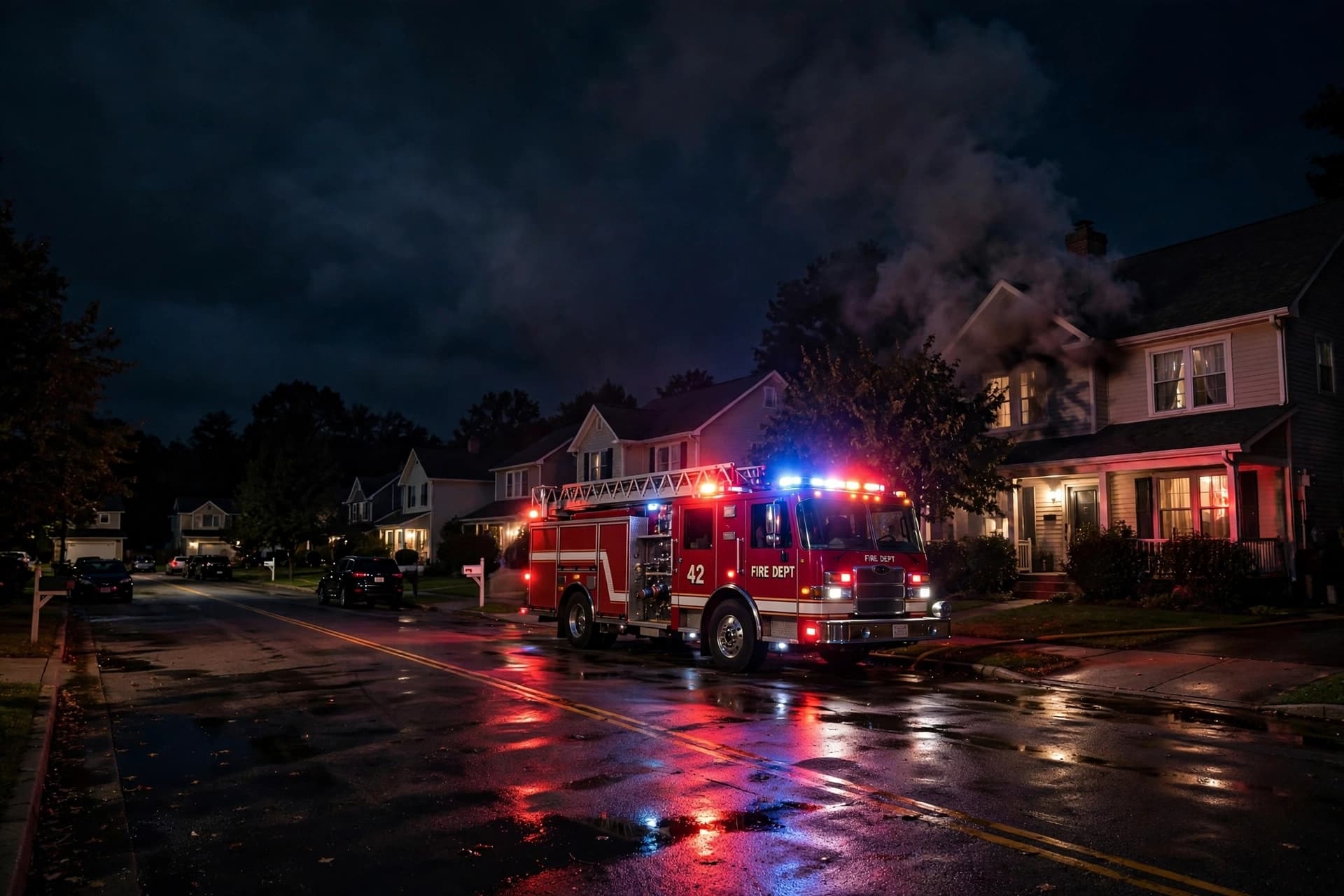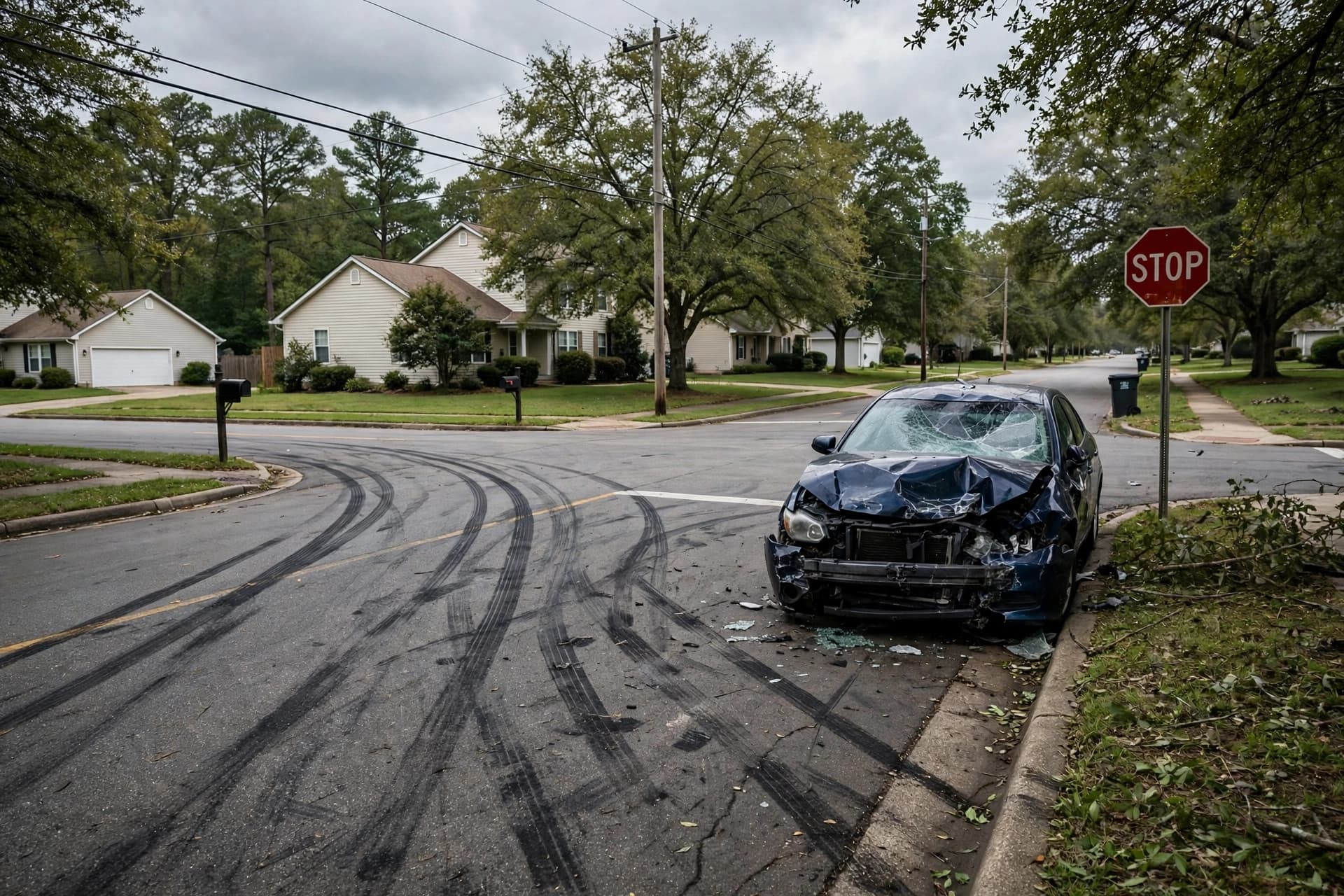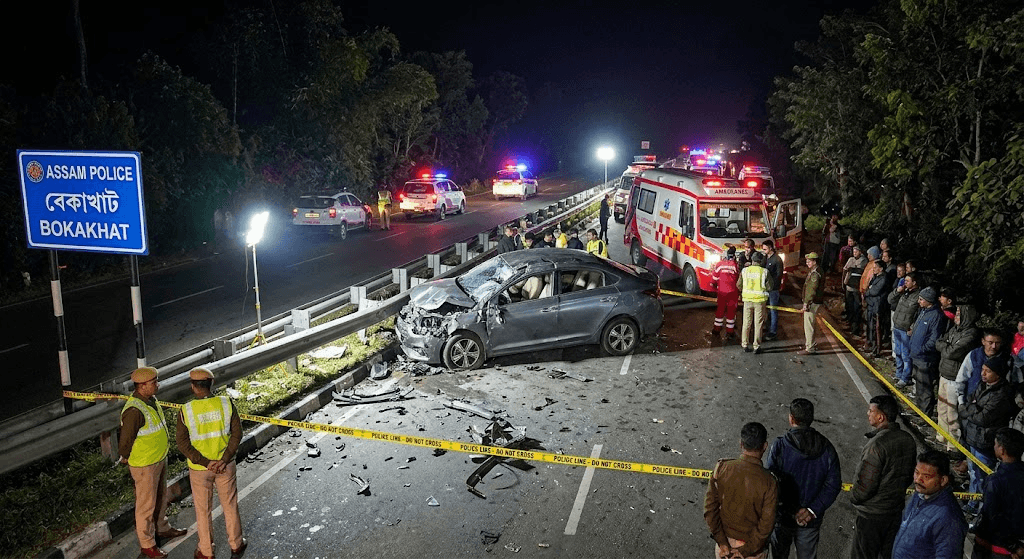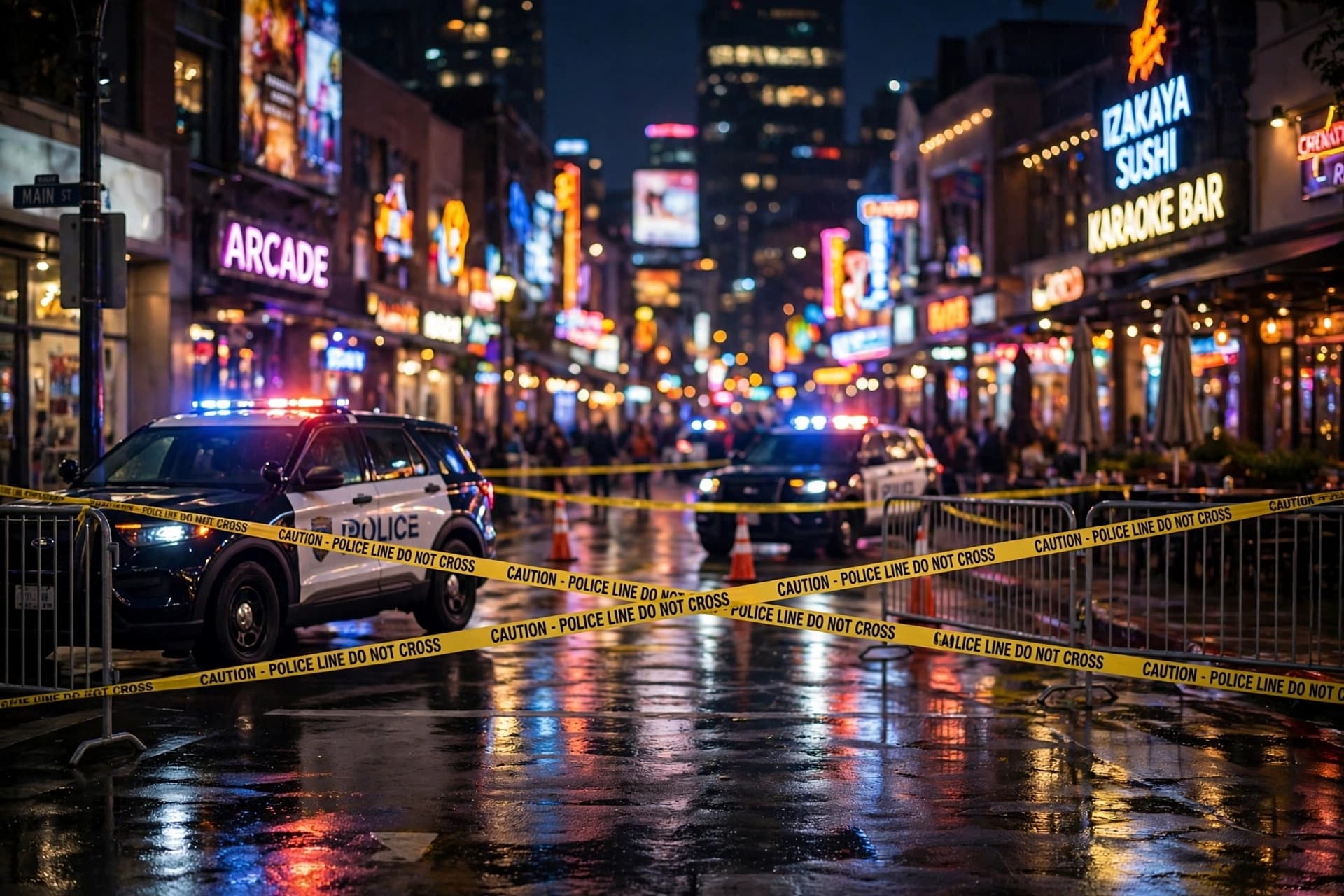
There is a particular sorrow that settles over a city when celebration turns to chaos. Halloween is meant to be a night of masks and make-believe, of children clutching candy bags and adults slipping into costumes that let them be someone else for a few hours. In Dallas, that night became something else entirely. Three separate shootings unfolded in the Deep Ellum neighborhood within a span of about seventy-five minutes, leaving four people dead and at least fifteen injured . What was meant to be a festive evening dissolved into a scene that police Chief Daniel Comeaux described as "really big" and "spread out," a sprawling investigation that stretched across multiple blocks of an entertainment district usually known for its music and restaurants .
The first shots were reported around midnight near a grocery store. Then came another burst of gunfire along Commerce Street, where three people lost their lives. A third shooting followed in the Elm Street area, claiming one more victim . The geography of the violence traced a rough triangle through the heart of Deep Ellum, a neighborhood filled with shops, bars, and venues that on any other night would be humming with life. Some of the wounded made their own way to hospitals, arriving without the help of the emergency crews that had descended on the scene .
Authorities have not yet determined whether the three shootings are connected. Some people were detained and questioned, but the police chief did not specify how many or what charges they might face . The uncertainty hangs over the investigation like a fog, obscuring motive and connection. What is known is that no police officers were injured, and that the violence was confined to a relatively compact area over a compressed period of time. Beyond that, the picture remains incomplete.
The Dallas shootings were not an isolated tragedy on that weekend. Across the country, Halloween celebrations were shadowed by gunfire in multiple cities. In Birmingham, Alabama, one person was killed and eight others wounded outside a stadium after a football game that had drawn seventy thousand spectators. Near the University of Delaware, six people were shot. At Illinois Wesleyan University, a nineteen-year-old woman died and seven others were injured . The pattern is not a pattern in the sense of a single cause or a single actor, but rather a constellation of separate eruptions of violence that together form a grim portrait of a weekend.
For the people of Deep Ellum, the aftermath is measured in the ordinary details of recovery. Discarded belongings, the lingering presence of police tape, the questions that friends and neighbors ask each other in the days that follow. The neighborhood will return to its rhythms, as neighborhoods do. Music will play again. The bars will reopen. But something will have shifted, as it always does when violence visits a place that had felt safe.
The investigation continues. Police are reviewing evidence, interviewing those in custody, and trying to piece together what happened and why. The names of the dead have not been released. The wounded are being treated. And a city that had hoped for a night of masks and laughter is left to reckon with a different kind of memory.
Image Disclaimer: The visual accompanying this article was generated by artificial intelligence and is not a photograph of the actual scene.
Sources: The Guardian, The Associated Press, HuffPost, RaiNews, Syrian Arab News Agency
Published by Banx Network. This article is part of the Banx decentralized media programme, powered by the BXE token on the XRP Ledger.