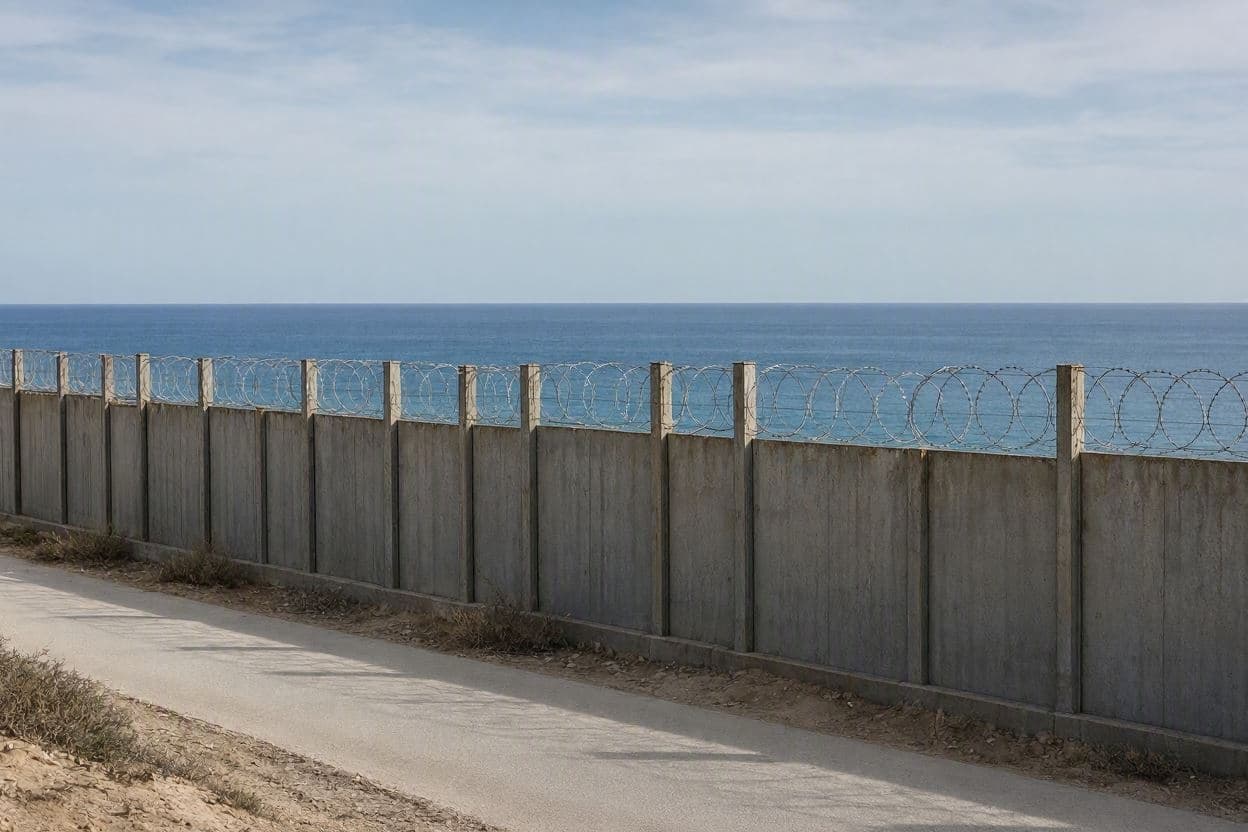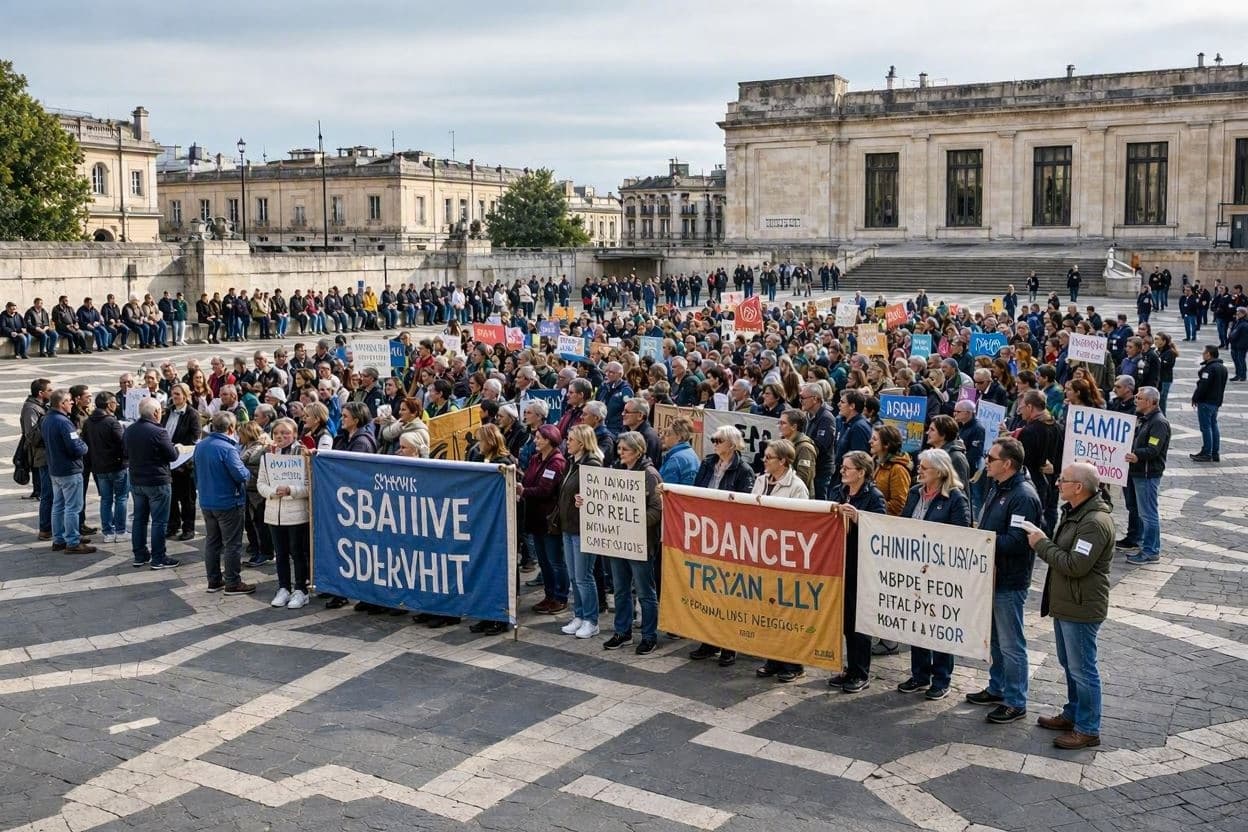
The streets of Madrid and other Spanish cities recently echoed with the voices of tens of thousands of citizens, united in a call for compassion and policy change. The catalyst for this massive mobilization was the ongoing humanitarian crisis at Spain’s borders, particularly in the enclaves of Ceuta and Melilla, and along the Canary Islands route. Protesters carried banners demanding safer pathways for migrants and an end to policies they view as inhumane. The sheer scale of the demonstration reflected a deep societal concern about how Europe manages migration and human rights.
The border crisis has intensified in recent months, with a surge in arrivals leading to overcrowded reception centers and strained resources. Images of desperate individuals attempting to cross fences or navigate dangerous seas have sparked public outrage. Civil society organizations argue that the current approach focuses too heavily on deterrence and security, neglecting the legal and moral obligations to protect refugees. The protests served as a platform to amplify these voices, calling for a shift toward solidarity and integration.
Participants in the marches included a diverse coalition of students, activists, religious groups, and ordinary citizens. Their presence highlighted the broad consensus that migration is not just a political issue but a human one. Speakers emphasized the need for European Union-wide solutions, criticizing the lack of coordinated effort among member states. The sentiment was clear: borders should not be barriers to basic human dignity.
Government officials have responded by highlighting the complexities of border management and the need for cooperation with North African countries. They point to efforts to improve reception conditions and increase development aid to origin countries. However, protesters argue that these measures are insufficient and often slow to implement. The disconnect between policy promises and on-the-ground realities fuels continued discontent and mobilization.
The protests also drew attention to the role of media in shaping public perception of migration. Activists called for more balanced reporting that highlights the stories of individuals rather than just statistics. They argued that dehumanizing language contributes to a climate of fear and exclusion. By bringing personal narratives to the forefront, the demonstrations sought to rebuild empathy and understanding within society.
International human rights organizations have supported the protesters’ demands, urging Spain and the EU to uphold international law. They highlight cases of pushbacks and inadequate legal assistance for asylum seekers. The pressure from civil society adds to the diplomatic challenges faced by the Spanish government, which must balance domestic opinion with international obligations.
As the crowds dispersed, the message remained resonant. The crisis at the borders is not merely a logistical challenge but a test of European values. The willingness of thousands to take to the streets demonstrates a commitment to those values. The path forward requires dialogue, policy reform, and a renewed commitment to human rights.
Mass protests across Spain highlight public demand for humane migration policies, urging the government and EU to address the humanitarian crisis at its borders with greater compassion and coordination.
AI Image Disclaimer: The images associated with this report are AI-generated visualizations designed to reflect the atmosphere of civic engagement and protest.
Sources: El País Euronews BBC News The Guardian
Published by Banx Network. This article is part of the Banx decentralized media programme, powered by the BXE token on the XRP Ledger.