In the complex theater of global economics, sanctions are often wielded as powerful tools of diplomatic pressure. The concept of an "Economic D-Day" suggests a decisive, overwhelming strike aimed at crippling an adversary’s financial stability. However, the reality of implementing such a strategy against a nation like Iran is fraught with challenges. As former President Trump’s approach is analyzed, it becomes clear that while the intent may be forceful, the execution faces significant hurdles in a interconnected world. The battle is not just political but deeply economic, involving myriad stakeholders and unintended consequences.
Iran’s economy has long been under various forms of international sanction, yet it has demonstrated a remarkable ability to adapt. Through informal trade networks, barter systems, and partnerships with non-Western allies, Tehran has managed to sustain its essential imports and exports. This resilience means that additional layers of pressure may yield diminishing returns. The global oil market, in particular, is sensitive to disruptions, and aggressive measures can lead to price volatility that affects economies far beyond the target nation.
The term "D-Day" implies a coordinated, singular event, but economic warfare is often a protracted campaign. It requires the cooperation of multiple nations, each with their own interests and priorities. European allies, for instance, may be hesitant to fully align with strict US sanctions if it jeopardizes their own energy security or commercial ties. This lack of unified front weakens the overall impact, allowing Iran to find loopholes and alternative markets.
Furthermore, the humanitarian impact of broad economic sanctions cannot be overlooked. While the goal is to pressure the government, ordinary citizens often bear the brunt of inflation, scarcity, and reduced access to medicine. This dynamic can sometimes strengthen domestic support for the regime, as external pressure is framed as an attack on national sovereignty. The moral and practical implications of such collateral damage complicate the strategic calculus.
Financial institutions worldwide also face compliance burdens that can stifle legitimate trade. The fear of secondary sanctions leads banks to over-comply, cutting off even humanitarian transactions. This "chilling effect" disrupts global supply chains and creates inefficiencies that harm the broader economy. Businesses must navigate a labyrinth of regulations, increasing costs and uncertainty for all parties involved.
The effectiveness of maximum pressure campaigns is also debated among economists and policymakers. Some argue that engagement and diplomacy offer more sustainable paths to resolution. History shows that isolated nations can become more entrenched rather than compliant. The uphill battle mentioned in the report reflects this skepticism, suggesting that economic coercion alone may not achieve the desired political outcomes.
As the situation evolves, the focus shifts to finding a balance between pressure and incentive. Smart sanctions that target specific entities while preserving humanitarian channels are often proposed as a more effective alternative. The challenge lies in crafting policies that are both tough and precise, minimizing harm to civilians while maximizing leverage. The journey toward resolution remains long and uncertain.
The proposed economic pressure on Iran faces significant obstacles due to global interdependence and Iranian resilience, highlighting the complexities of using sanctions as a primary diplomatic tool.
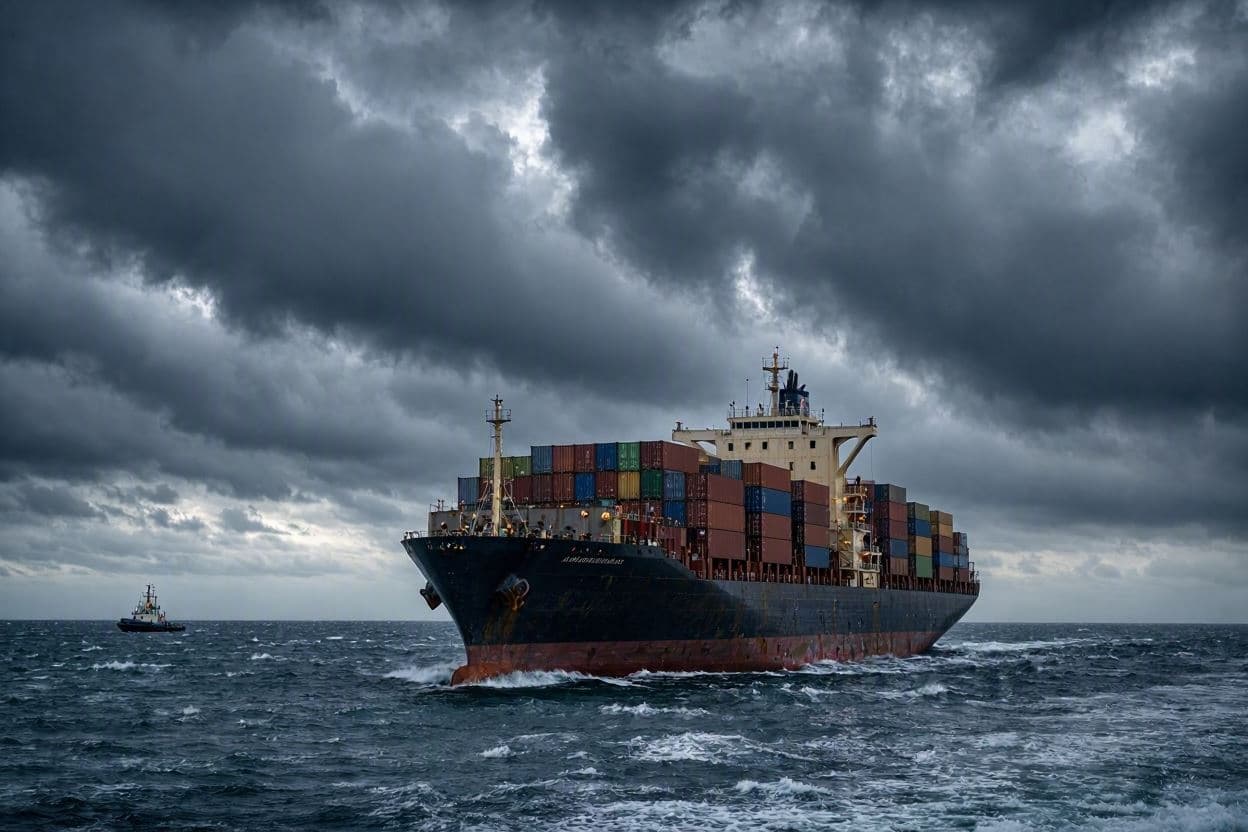
AI Image Disclaimer: Please note that any images used here are digitally generated representations intended to illustrate economic themes.
Sources: Bloomberg Reuters The Wall Street Journal Financial Times
Published by Banx Network. This article is part of the Banx decentralized media programme, powered by the BXE token on the XRP Ledger.