Periods of geopolitical tension often unfold like distant thunder before a storm, where uncertainty itself becomes part of everyday global conversation. Markets fluctuate, diplomats exchange cautious words, and ordinary citizens far from the region quietly follow headlines that may shape the course of international stability. In recent weeks, relations between the United States and Iran have once again entered a phase marked by heightened anxiety.
International observers are increasingly concerned that tensions between the United States and Iran could escalate into broader conflict following a series of military warnings, strategic deployments, and diplomatic disputes. Governments across multiple regions have called for restraint as fears of miscalculation continue growing.
The latest developments follow months of rising friction involving military operations, regional proxy conflicts, and disputes surrounding maritime security and sanctions. Analysts note that the relationship between Washington and Tehran has remained fragile for decades, often shifting between negotiation and confrontation.
American officials have continued emphasizing the importance of protecting regional allies and maintaining security commitments in the Middle East. Meanwhile, Iranian authorities have stated that the country is prepared to defend itself against external threats while also expressing support for diplomatic dialogue under certain conditions.
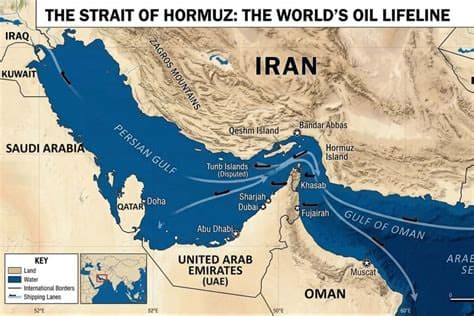
Energy markets and international trade sectors are monitoring developments closely due to the strategic significance of the Persian Gulf and nearby shipping routes. Concerns over potential disruption to oil supplies have already influenced market sentiment in several recent trading sessions.
Diplomatic efforts involving regional mediators and international organizations continue behind the scenes. Several countries have encouraged direct or indirect communication channels between Washington and Tehran in hopes of preventing military escalation.
Security analysts caution that while strong rhetoric often dominates headlines during periods of tension, governments may still seek to avoid open conflict because of the severe economic and humanitarian consequences involved. Regional instability could affect neighboring states, trade networks, and civilian populations across a wide area.
Public concern has also grown globally as memories of past Middle Eastern conflicts remain deeply present in international political consciousness. For many observers, the current atmosphere reflects both geopolitical rivalry and the continuing difficulty of building long-term regional stability.
The situation between the United States and Iran remains fluid, with diplomatic initiatives and military readiness continuing side by side as the international community watches developments carefully.
Images accompanying this report are AI-generated illustrations created to support geopolitical storytelling.
Sources: Reuters, Associated Press, Al Jazeera, Bloomberg
Published by Banx Network. This article is part of the Banx decentralized media programme, powered by the BXE token on the XRP Ledger.