There are words that linger in the air long after they are spoken, not because they were meant to, but because they mark the precise boundary between routine and catastrophe. In the cockpit of a Learjet 60 climbing through the cold air over Florida on Sunday afternoon, the voice of a pilot can be heard on air traffic control recordings saying something that sounded, at first, like an ordinary report: "We're managing the ice, but it is moderate turbulence" .
Those words came less than three minutes before the aircraft plunged into a residential neighborhood in Greenacres, Palm Beach County, killing all nine people on board . The jet had departed Austin, Texas, bound for the Bahamas, and the pilot had been in contact with controllers about weather conditions at altitude. She reported light, clear ice that was manageable, and moderate turbulence. The controller told her she could expect "better rides ahead" .
What followed was a rapid unraveling. Within seconds of that exchange, the pilot reported picking up precipitation and requested to climb. Then came the first distress call: "We're descending 8,000, Mayday, Mayday, we're descending 10,000 feet per minute" . Another transmission followed, more urgent still: "We are in an overspeed condition descending 20,000 feet per minute" . The controller asked what assistance she needed. Her reply was plain: "We're gonna crash into the ground" .
Former NTSB Chairman Robert Sumwalt, speaking as a CBS News transportation safety expert, explained the mechanics of what may have unfolded. Ice on the wings adds weight, but more critically, it disrupts the smooth flow of air across the wing's surface. "Any disruption to the flow of air across the top of the wing can severely affect the aerodynamic performance of the airplane," he said . Once control is lost to icing, regaining it is exceptionally difficult.
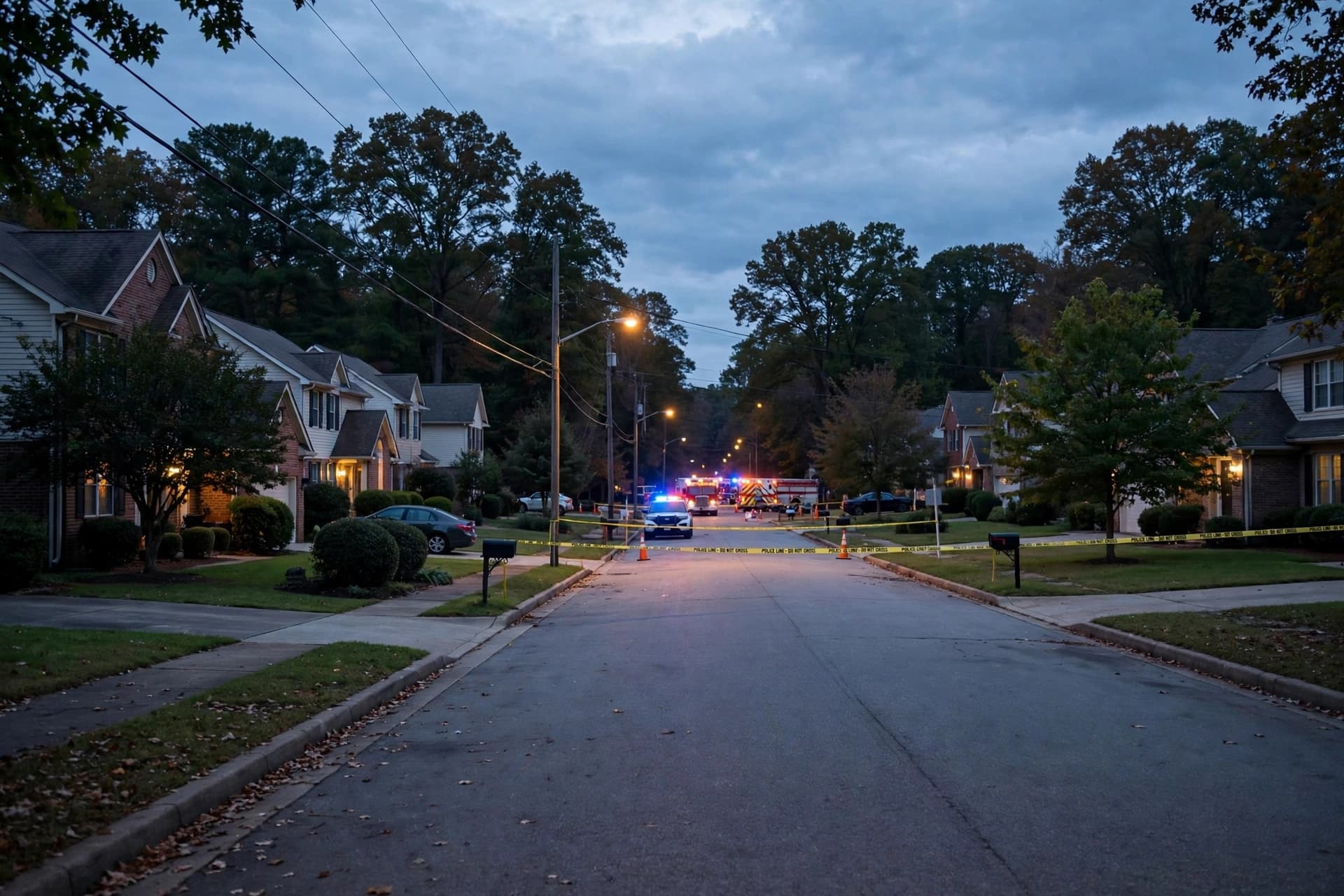
The aircraft came down near a mobile home park, narrowly missing homes before striking the ground at an estimated speed of roughly 595 kilometers per hour . Witnesses described a sound like a missile, followed by a fireball and a crater. No one on the ground was killed. The co-pilot has been identified by her family as Nathalia Filgueiras, twenty years old, an aviation enthusiast who had earned her pilot's license before she could drive .
The National Transportation Safety Board is leading the investigation. The recordings preserve the final minutes of a flight that began in ordinary weather and ended in a suburban street, and the voice of a pilot who reported a problem she believed she could manage, until she could not.
Image Disclaimer: The visuals accompanying this report were generated using artificial intelligence and are not photographs of the actual aircraft or individuals.
Sources: CBS News, The Mirror, Yahoo News Malaysia
Published by Banx Network. This article is part of the Banx decentralized media programme, powered by the BXE token on the XRP Ledger.