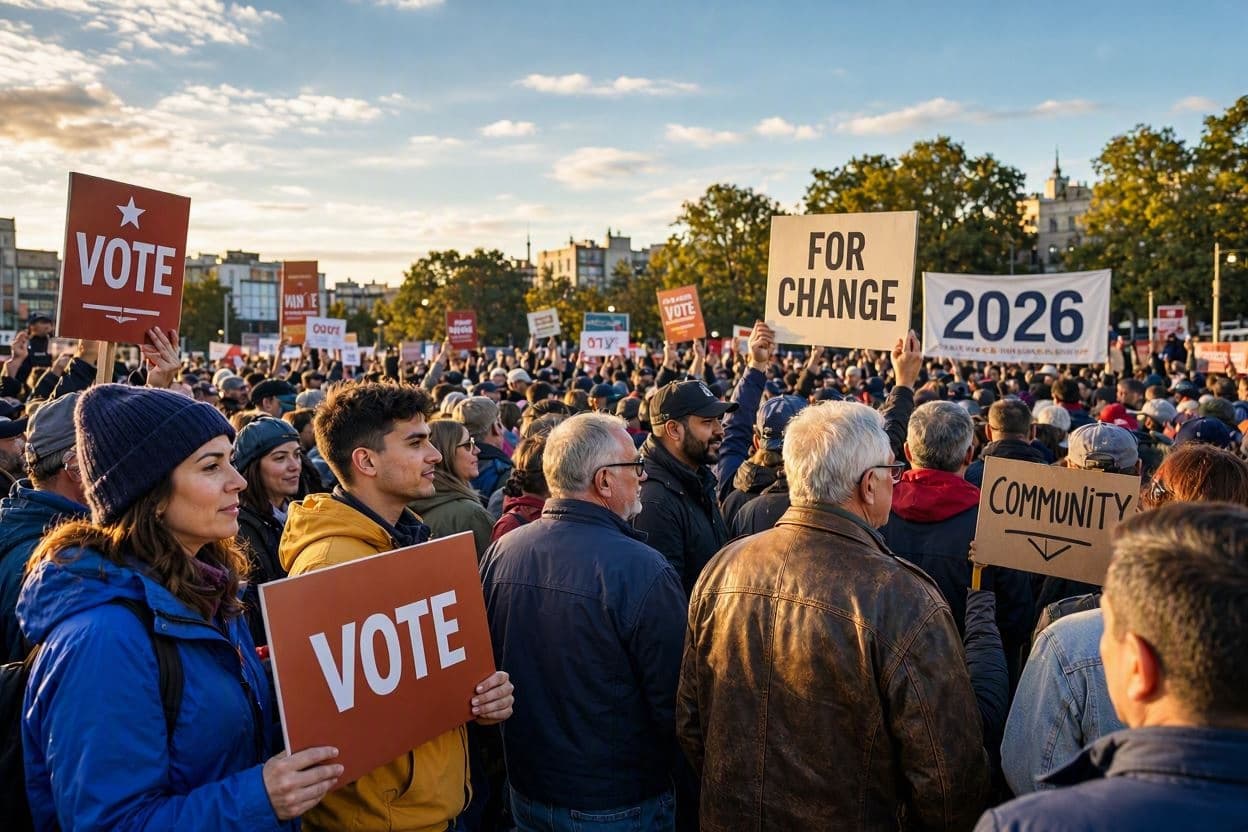
Political landscapes are rarely static; they shift with the tides of public sentiment and the strategies of ambitious candidates. In Wisconsin, Francesca Hong, a democratic socialist candidate, has emerged as a pivotal figure in the upcoming elections. Her campaign raises a compelling question: will her progressive platform energize voters and reshape the political establishment, or will it inadvertently aid Republican victories by dividing the electorate? This dilemma invites reflection on the dynamics of coalition-building and the risks of ideological purity. It is a moment that tests the resilience of democratic institutions and the adaptability of political parties.
Hong’s platform focuses on economic justice, healthcare reform, and environmental sustainability. These issues resonate with a segment of the population that feels left behind by traditional policies. Her candidacy represents a growing movement within the Democratic Party that seeks to challenge corporate influence and prioritize social welfare. For her supporters, she is a voice of change, offering a bold vision for the future.
However, critics worry that her progressive stance may alienate moderate voters who are crucial for winning statewide races. Wisconsin, a swing state, has a history of close elections decided by narrow margins. If Hong’s campaign draws votes away from more centrist Democrats, it could create an opening for Republican candidates. This "spoiler effect" is a perennial concern in multi-candidate races, where strategic voting often dictates outcomes.
The Democratic establishment faces a difficult balancing act. Embracing progressive energy can mobilize young voters and activists, but rejecting it risks disengagement. Conversely, moderating the message may secure swing voters but dampen enthusiasm. Hong’s presence forces party leaders to confront these trade-offs directly. The strategy they choose will likely influence the election’s result.
For voters, the choice is not just about policy but about direction. Do they prefer incremental change within the existing system, or a more radical overhaul? Hong’s campaign offers a clear alternative, prompting citizens to define their priorities. The debate extends beyond Wisconsin, reflecting national tensions within the Democratic Party.
As the election approaches, polling data and grassroots organizing will play key roles. Both sides are investing heavily in outreach, knowing that every vote counts. The outcome will provide insights into the current mood of the electorate and the viability of democratic socialism in mainstream politics.
Francesca Hong’s democratic socialist campaign in Wisconsin presents a complex challenge for the Democratic Party, raising questions about electoral strategy and ideological alignment. The hope is for a vibrant debate that engages voters and clarifies the path forward.
AI Image Disclaimer: Visuals associated with this article are AI-generated to illustrate the themes of political strategy and electoral dynamics.
Sources: Wisconsin Public Radio The Capital Times AP News
Published by Banx Network. This article is part of the Banx decentralized media programme, powered by the BXE token on the XRP Ledger.

.jpg&w=3840&q=75 "Sally Rooney’s Books to Be Withdrawn From UK Sale Over Palestine Action Support")