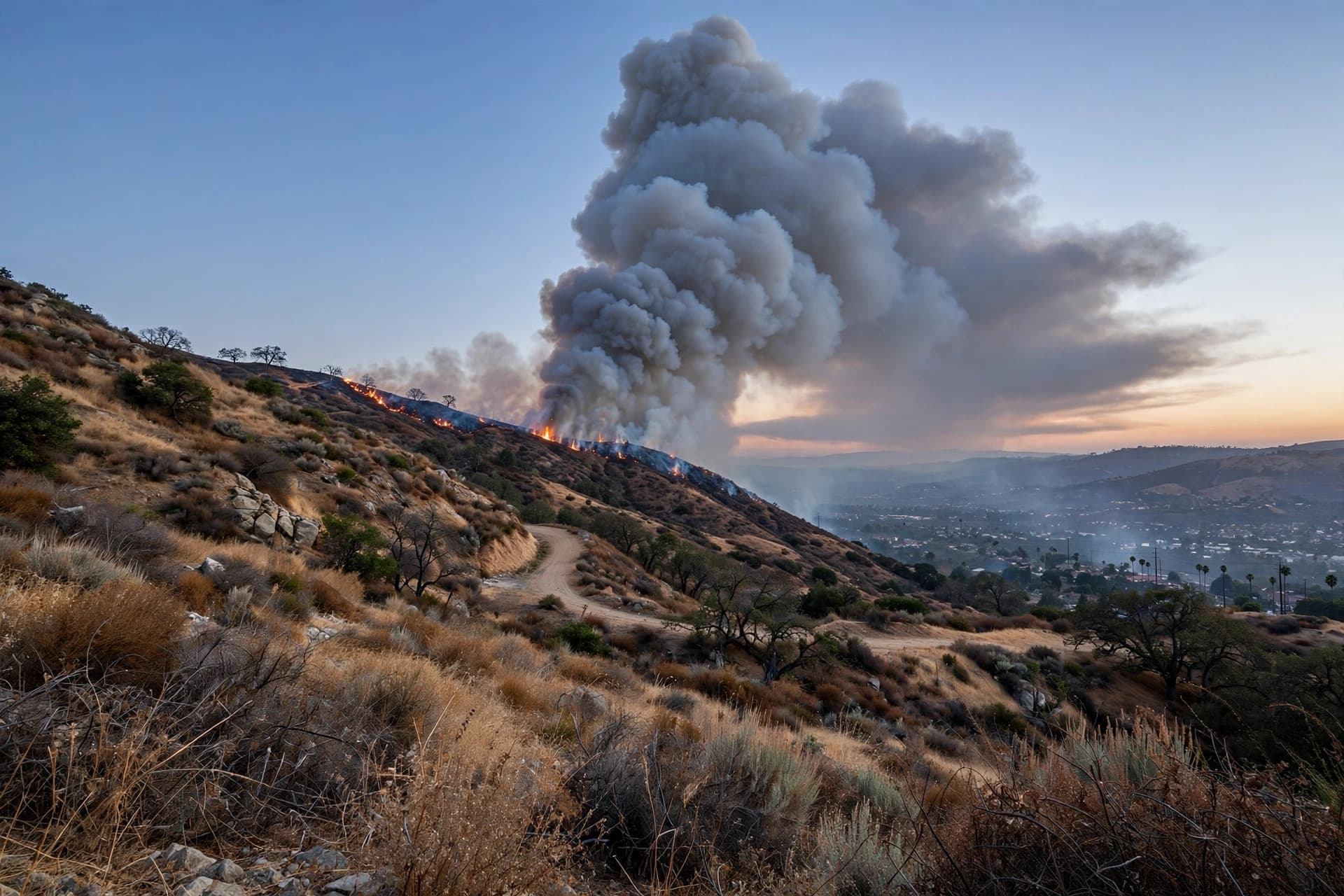
In the muted light just before dusk, where the Great Rift’s hills meet the endless sky, the earth of eastern Congo has known too many footsteps of sorrow. Here, life and conflict are woven so tightly that even the wind seems to carry their weight. In South Kivu province, the echoes of another violent chapter are being written — one measured in lives cut short and homes unmoored by the rumble of guns and grenades.
This week, regional authorities reported that more than 400 civilians have been killed in an escalation of fighting tied to the M23 armed group’s offensive across towns and hamlets from Uvira toward Bukavu. Women, children, elders — ordinary families living their ordinary days — have found themselves at the heart of a conflict that refuses to stay confined to maps or diplomatic agreements.
The March 23 Movement, widely understood to be backed by Rwanda, has seized strategic ground, including the important lakeside city of Uvira, where its fighters now control key routes toward the Congolese hinterland. Despite international efforts, including a recently mediated U.S. peace agreement between Kinshasa and Kigali, the offensive pressed forward, underscoring the fragility of accords that do not include all parties on the battlefield.
Voices from provincial government offices describe scenes of devastation in towns between Uvira and Bukavu, where bullets, explosive devices, and artillery fire have torn through neighbourhoods and killed civilians at scale. The loss extends beyond numbers; it is measured in the disruption of community rhythms, of children orphaned, and of futures left uncertain.
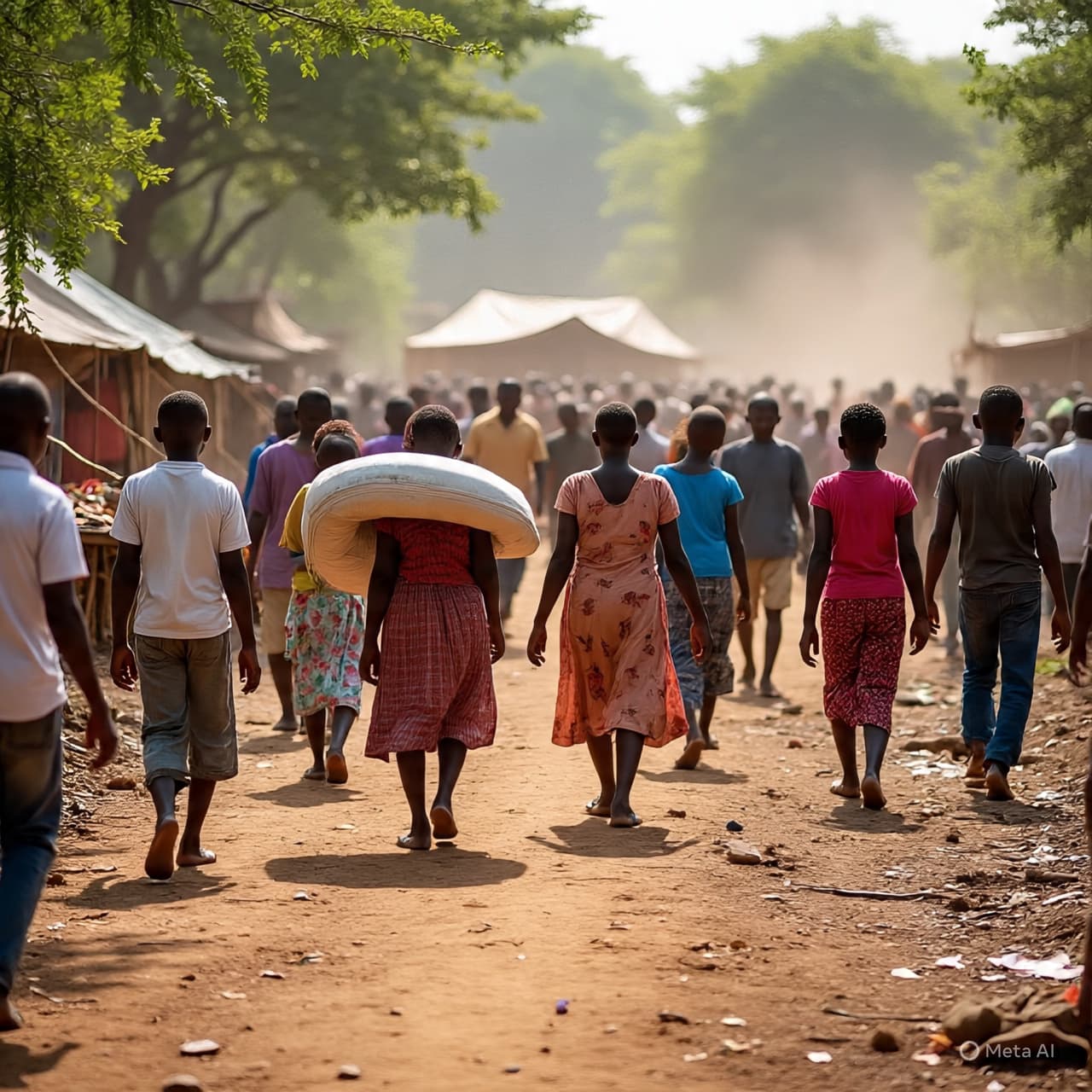
Humanitarian corridors that once carried hope now twist through displacement camps as families seek refuge. Hundreds of thousands have fled toward neighbouring countries like Burundi, adding pressure on fragile border communities. With schools shuttered, markets hollowed out, and health centres strained by the injured and sick, daily life throughout South Kivu bears the marks of conflict.
International voices have joined calls for an immediate cessation of hostilities. Leaders from the African Union and the United Nations have expressed deep regret over the civilian toll and urged restraint from all armed actors. These appeals, gentle yet urgent, reflect a concern that the wider region could be drawn into deeper instability if the fighting continues its current course.
Yet for people in the villages and towns caught between advancing lines, the immediacy of survival — securing water, covering the wounded, comforting frightened children — is the measure of every passing day. In their small gestures of resilience, in the stubborn tending of a scarred field, Congo’s civilians quietly assert their will to live beyond the violence that surrounds them.
AI Image Disclaimer Visuals were produced with AI tools and serve as conceptual depictions, not real photographs.
Sources The Associated Press Al Jazeera Reuters The Week (wire reports) Africanews
Published by Banx Network. This article is part of the Banx decentralized media programme, powered by the BXE token on the XRP Ledger.