The corridors of justice are often places where urgency meets deliberation, a space where the immediate cries for relief are weighed against the broader architecture of law. In a recent instance, the Supreme Court of India found itself at the center of such a balance, declining to grant an urgent hearing on a plea challenging police actions during a student protest. The bench’s remark, "Don't waste our time," while sharp in its brevity, reflects a judicial philosophy that prioritizes procedural order over immediate intervention in matters it deems better suited for lower courts or standard timelines. It is a moment that invites reflection on the rhythm of legal recourse and the expectations placed upon the highest court.
Body: The petition in question sought to address alleged excesses by Delhi Police during a protest organized by students associated with the Committee for Justice and Peace (CJP). The protesters had gathered to voice concerns over educational policies, a cause that has resonated deeply with young people across the nation. However, the escalation of tensions led to clashes, resulting in injuries and arrests. For the petitioners, the urgency was palpable, driven by a desire for immediate accountability and protection for those detained.
The Supreme Court’s refusal to list the matter urgently does not signify a dismissal of the grievances themselves but rather a adherence to established legal hierarchies. The bench noted that the Delhi High Court had already declined similar urgent relief, suggesting that the matter should proceed through regular channels. This approach underscores the importance of exhausting remedies at lower levels before seeking the apex court’s intervention, a principle designed to prevent the docket from being overwhelmed by emergency pleas.
For the students and their supporters, the decision may feel like a setback, a delay in the face of perceived injustice. Yet, it also serves as a reminder of the structured nature of the judicial process. While emotions run high in the aftermath of protest-related violence, the law operates on a timeline that values thoroughness over speed. This distinction can be difficult to accept in moments of crisis, but it is fundamental to the integrity of the system.
The role of the judiciary in balancing civil liberties with public order is a delicate one. By refusing to intervene urgently, the court signals its confidence in the existing mechanisms to address the issue. It places trust in the lower courts and investigative agencies to handle the matter with due diligence. This delegation of responsibility is not an abdication of duty but a strategic choice to maintain the efficiency of the highest court.
Public reaction to the remark has been mixed. Some view it as a necessary assertion of judicial authority, while others see it as dismissive of genuine distress. The phrase "Don't waste our time" captures the frustration of a bench that deals with thousands of cases, each demanding attention. It highlights the tension between the individual’s need for immediate redress and the institution’s need to manage its resources effectively.
As the case moves forward through regular hearings, the focus will shift to the merits of the allegations. Evidence of police conduct, witness testimonies, and legal arguments will be examined in detail. This process, though slower, offers a more comprehensive platform for justice to be served. It allows for a deeper exploration of the facts, ensuring that any eventual ruling is grounded in a full understanding of the events.
Closing: The Supreme Court’s decision to refuse an urgent hearing is a procedural step that aligns with its role as the final arbiter of law. While the wait may be difficult for those affected, the commitment to due process remains paramount. As the legal proceedings continue, the hope is that clarity and accountability will emerge through the steady, deliberate pace of justice.
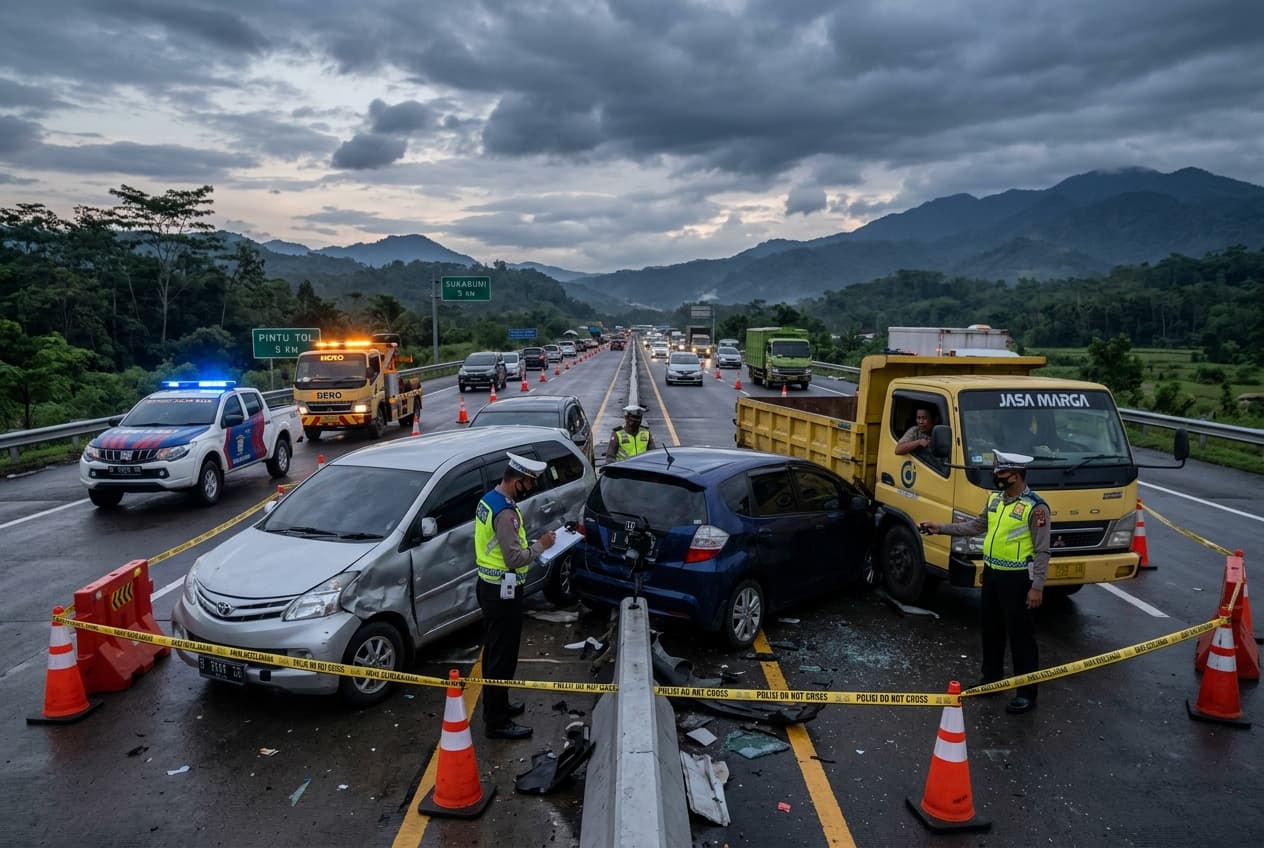
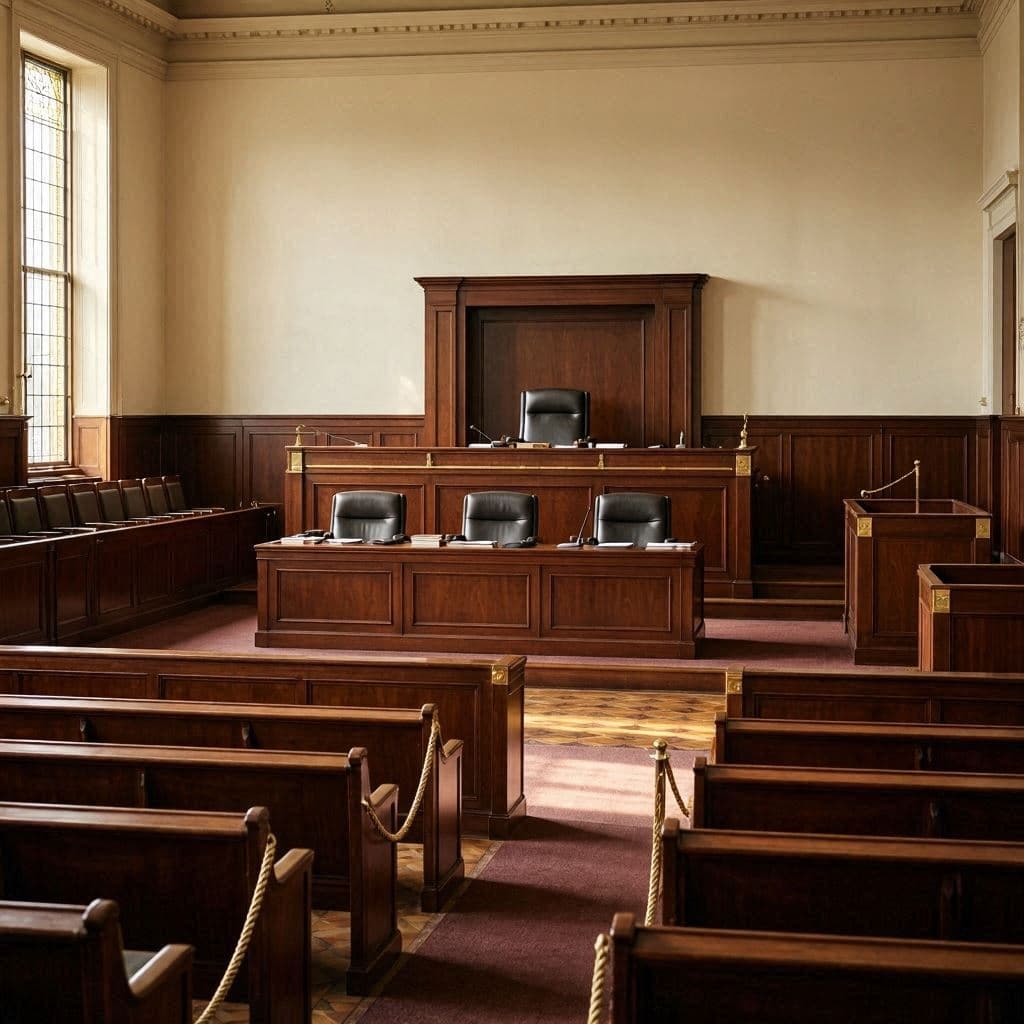
AI Image Disclaimer: The images accompanying this article are AI-generated conceptual illustrations of legal settings and civic engagement, designed to reflect the themes of justice and protest without depicting specific real-world individuals.
Sources: Hindustan Times NDTV Deccan Herald The Hindu
Published by Banx Network. This article is part of the Banx decentralized media programme, powered by the BXE token on the XRP Ledger.