The domestic sphere within the high-plains community of Oruro is traditionally built to exist as the ultimate harbor from the external pressures of life, a private sanctuary where family members share a common bond of care, safety, and mutual protection. Behind the closed doors of these homes, the daily rhythm moves in harmony with deep-seated traditions of solidarity and respect, creating an environment where children and adults alike seek comfort. It is the fundamental foundational unit of social stability, a quiet space where peace is meant to be absolute.
Yet, there are deeply troubling instances when this internal sanctuary is violently undone by an explosion of domestic hostility that turns a place of refuge into a scene of unimaginable tragedy. The manifestation of fatal physical force within a domestic relationship creates a localized, devastating crisis that leaves one individual dead and an entire household completely destroyed. In those dark hours, the unwritten laws of mutual care are permanently shattered, forcing the community to confront the heartbreaking reality of unchecked violence behind a quiet facade.
The occurrence of a fatal domestic incident within a neighborhood sends an immediate, chilling shockwave traveling through the surrounding avenues and adjacent properties. Neighbors awaken not to the peaceful routines of the morning, but to the urgent, distressing arrival of medical responders and the sharp, flashing indicators of an active police response. The realization that an irreversible loss of life has occurred in their immediate vicinity casts a heavy, somber shadow of grief and reflection over the entire locality.
In the aftermath of the crisis, a profound contemplation settles over the avenues of Oruro as residents grapple with the sobering realities of domestic vulnerability and hidden pain. Conversations are held in soft, measured tones, filled with a deep empathy for the deceased and an anxious awareness of the silent struggles that can exist behind closed shutters. It underscores the collective, urgent responsibility of a community to watch over one another and to intervene before friction escalates into an absolute disaster.
The arrival of specialized homicide detectives and forensic analysts introduces a clinical, rigorous architecture to the domestic space, as authorities work to document the environment and establish the exact timeline of the assault. Physical evidence is painstakingly gathered from the rooms, statements are compiled from neighbors, and the suspect is immediately isolated from the scene and placed in secure custody. This essential work is performed with a quiet, respectful intensity, a deliberate effort to ensure absolute legal accountability for an act of severe domestic harm.
For the surviving family members and the wider neighborhood, the path ahead is a long and arduous journey of emotional healing and collective grief, supported by the solidarity of loved ones. The community stands as a protective, silent wall around the process of recovery, refusing to let the tragic event pass without a deep commitment to preventing future harm. It is a slow, collective effort to restore a sense of balance and safety to a neighborhood that was violently disrupted.
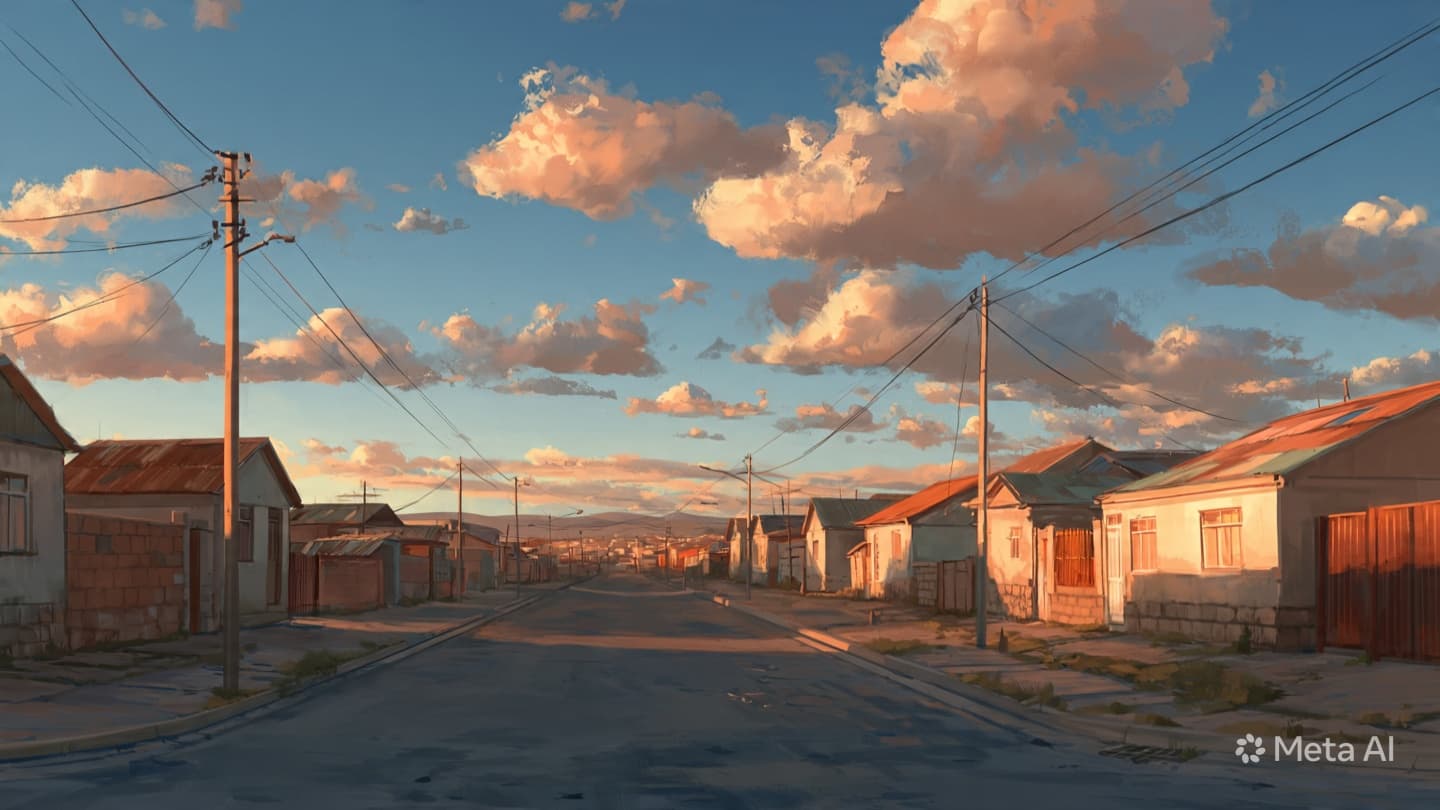
As the sun sets over the cold plains of Oruro, casting a deep crimson glow across the quiet roofs, the community remains vigilant and reflective. The memory of the incident lingers as a solemn reminder of the vital importance of protecting the peace of every home and ensuring that no one is left to suffer in isolation.
A tragic domestic violence incident in a residential district of Oruro has left one person dead and another individual detained in state custody following an immediate police intervention. Emergency units were dispatched to the home during the early morning hours after receiving a distress call regarding a violent dispute, arriving to find a victim with fatal injuries that succumbed to the trauma on-site. Officers immediately apprehended a male suspect at the scene without incident, and he remains detained as forensic teams process the residence to finalize formal homicide charges.
Published by Banx Network. This article is part of the Banx decentralized media programme, powered by the BXE token on the XRP Ledger.

.jpg&w=3840&q=75 "US Declares Drought Disaster for Parts of Puerto Rico as Dry Conditions Persist")