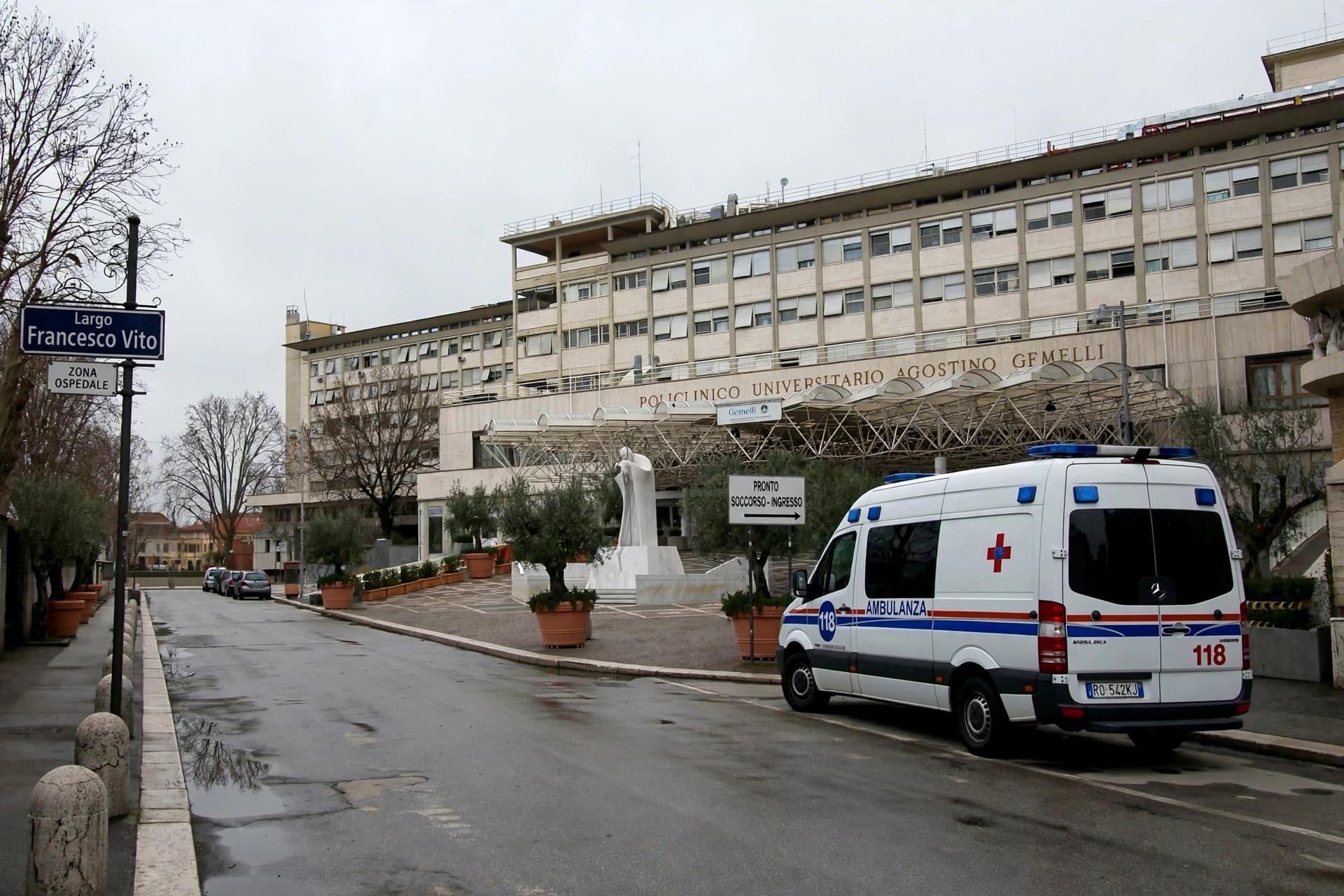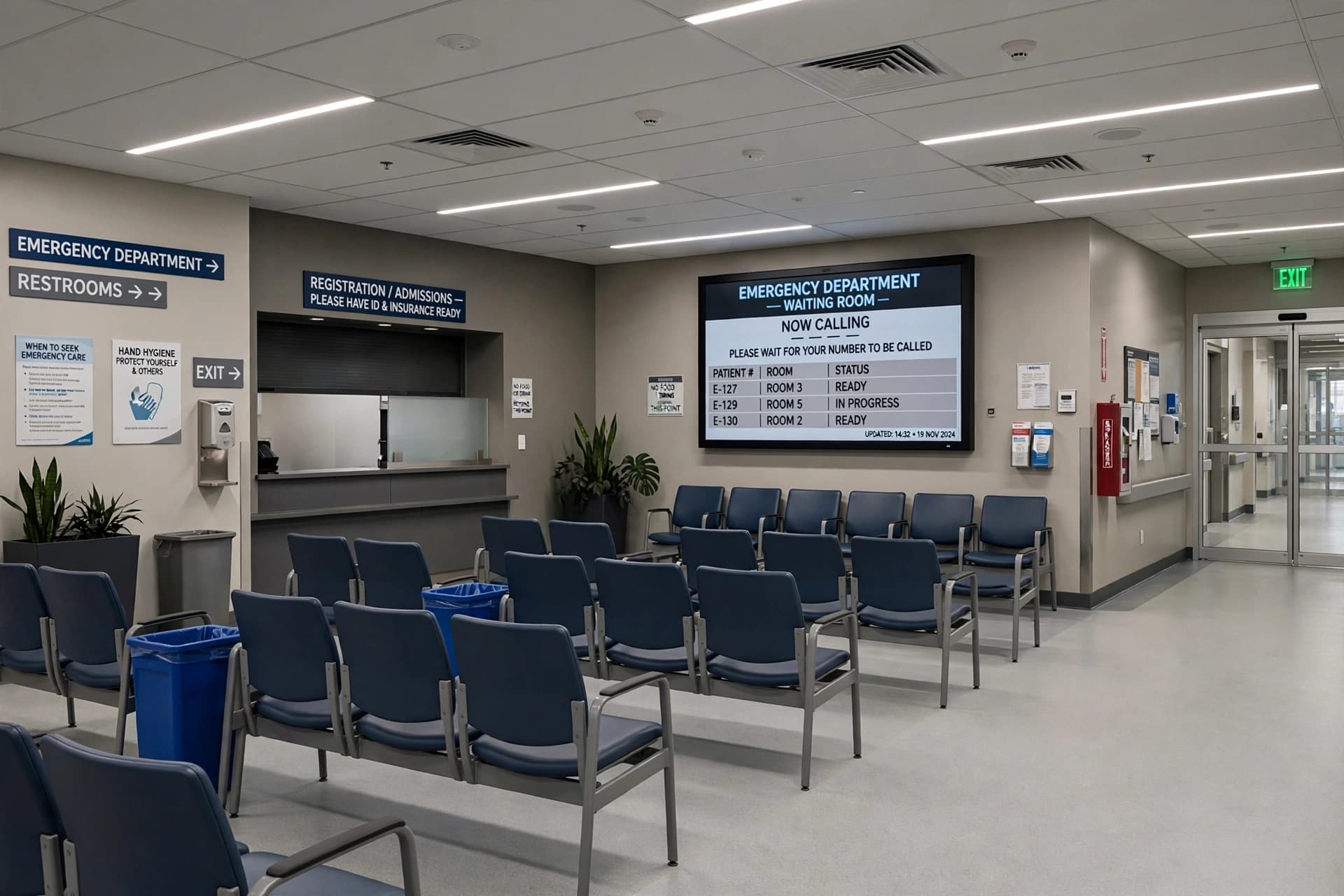
There is a particular kind of waiting that happens in emergency departments—a waiting measured not only in minutes and hours but in the quiet arithmetic of hope and fear. A patient arrives with chest pain, with a broken bone, with the kind of bleeding that demands attention, and the clock begins its slow work. In Australia, according to the Australian Medical Association's 2026 Public Hospital Report Card, that clock is ticking longer than ever before, and the trend is one that should give every community pause.
The report, released in March, found that the proportion of patients completing their emergency department visit within four hours has fallen to its lowest level on record—just fifty-three percent of patients now meet the nationally agreed benchmark . This four-hour target has long served as a measure of whether a hospital system can move patients through the front door and into appropriate care before the emergency department becomes a place of indefinite holding. The fact that nearly half of all patients now exceed that window is not merely a statistic; it is a reflection of a system where demand and capacity have drifted out of balance.
The strain is most acute for the patients who need care most urgently. Among those triaged as urgent—people with fractures, severe abdominal pain, or life-threatening conditions like sepsis—nearly one-third are still not being seen on time . In South Australia, just forty-four percent of urgent patients were seen within the recommended thirty-minute target during the 2024-25 financial year, well below the national average of sixty percent . In Queensland, the situation has grown even more stark, with reports of patients waiting up to seventy hours for treatment, a figure that Dr. Maria Boulton of AMA Queensland described as "just shocking" .
The causes, according to the AMA and hospital administrators, are layered. There is the surge in presentations—more people arriving at emergency departments, some because they cannot access or afford primary care . There is the workforce shortage, felt across doctors, nurses, and allied health staff . And there is the problem that hospital administrators call "exit block": patients who are medically ready to leave but remain in hospital beds because aged care packages or NDIS support have not been arranged . These stranded patients occupy beds that could otherwise receive patients from the emergency department, creating a logjam that ripples backward through the entire hospital .
The AMA has been careful to acknowledge that some modest improvements have occurred in certain areas . But the overall picture is one of a system under sustained pressure, where the gap between demand and capacity continues to widen . The four-hour target, which once represented a reasonable expectation, now feels aspirational for many hospitals. Patients who should be moved to wards, to surgery, or home to recover are instead waiting in corridors, sharing bays with other patients, or being cared for in spaces never designed for extended stays .
Queensland Health has acknowledged the pressure, noting that over fourteen hundred beds are currently occupied by patients medically ready for discharge but awaiting aged or community care placements—a responsibility that falls to the federal government . Dr. Boulton described emergency departments operating at two hundred to three hundred percent of their intended capacity, a scenario that she said makes each shift feel like a marathon . She trained twenty years ago, she recalled, when spare beds existed in readiness for the day's demands. That readiness, for many hospitals, is now a memory.
The AMA's report card is not merely a catalogue of failures but an invitation to consider what kind of care a society wishes to provide for its most vulnerable moments. The trend lines point in a direction that few would choose: longer waits, greater strain, and a system where the most urgent needs compete for diminishing resources. The patients in those waiting rooms are not abstractions. They are parents, neighbors, workers, elders—people who arrived at the hospital because they had nowhere else to turn.
AI Image Disclaimer: The visual content in this article is AI-generated and serves an illustrative purpose only.
Published by Banx Network. This article is part of the Banx decentralized media programme, powered by the BXE token on the XRP Ledger.