We like to narrate contraception as mastery over uncertainty — a calendar rewritten on our own terms. But inside that cultural comfort, there is a quieter conversation happening in oncology and epidemiology labs: the subtle change in breast tissue risk over a lifetime of hormonal exposure.
Recent reporting this month shows once again how fragile the evidence feels. Some hormonal contraceptive formulations — pills, rings, implants — appear to correlate with higher relative breast cancer risk. It is not a single smoking gun, nor a certainty, nor a blanket warning. It is a statistical texture: small risk difference, multiplied across millions of users, producing signals that epidemiologists must take seriously.
This tension — autonomy versus biology — mirrors the broader shift in health literacy. Patients are increasingly reading the data themselves. Researchers are increasingly publishing nuance instead of slogans. And clinicians now must perform a very modern balancing act: preserving freedom of choice while acknowledging what is not yet known.
Because it is also true that pregnancy itself, and childbirth later in life, also carry breast cancer risk variables. And contraception prevents pregnancy. So even when one curve in the graph bends up a little, another curve may bend down. Risk is a network, not a headline.
There is no moral here. Only this: health systems and regulators need to keep funding large longitudinal cohorts, and journalists need to keep reminding the public that “increased risk” is a relational phrase. For most healthy women, the absolute risk remains low. But the data deserves sunlight — not fear, not denial, but illumination. AI image disclaimer
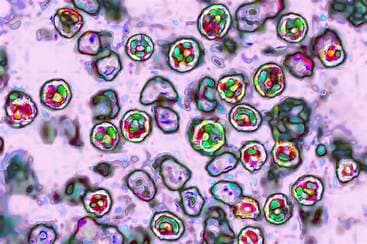
Images are conceptual and may not represent real patients.
### Sources
Reuters The Guardian Science News Nature
Published by Banx Network. This article is part of the Banx decentralized media programme, powered by the BXE token on the XRP Ledger.